
7 Best Plant-Based Protein Powders for Muscle Gain
Table of Contents
- How We Tested and Selected These Plant-Based Protein Powders
- Quick Comparison Table
- Complete Amino Acid Profile and Plant Protein Quality
- 1. Vegan Protein: High-Protein, Low-Calorie Option
- 2. Clear Vegan Protein: Fast-Absorbing Formula
- How to Choose a Vegan Protein Powder for Muscle Gain
- Protein Powder Third-Party Testing Standards and Quality Assurance
- Frequently Asked Questions
Last Updated: September 3, 2026
How We Tested and Selected These Plant-Based Protein Powders
Finding the right plant-based protein powder for muscle gain requires evaluating complete amino acid profile, bioavailability, third-party testing standards, and real-world performance for muscle hypertrophy. We prioritized products delivering meaningful protein content per serving while maintaining digestibility and gut health support, with particular attention to leucine content, which plays a critical role in muscle protein synthesis.
The 7 best plant-based protein powders for muscle gain we've identified balance practical usability with science-backed formulation. Plant proteins require strategic combining or careful selection of complete protein sources to match whey's amino acid profile. Our recommendations address this head-on, focusing on options that deliver the leucine content and bioavailability serious lifters demand.
Quick Comparison Table
| Product | Protein Per Serving | Leucine Content | Price Per Serving | Cost Per Gram Protein | Best For |
|---|---|---|---|---|---|
| Vegan Protein | 20g | ~2.0g | $1.67 | $0.08 | Lean muscle gain with micronutrient support |
| Clear Vegan Protein | 18g | ~1.8g | $1.89 | $0.11 | Fast absorption, palatability-focused athletes |
| Pea Protein Isolate (Standard) | 25g | ~2.5g | $1.20 | $0.05 | Budget-conscious lifters, high leucine |
| Soy Protein Isolate | 25g | ~2.8g | $1.45 | $0.06 | Complete amino acid profile, highest leucine |
| Rice + Pea Blend | 22g | ~2.1g | $1.35 | $0.06 | Balanced amino acids, digestive tolerance |
| Hemp Protein | 15g | ~1.2g | $1.99 | $0.13 | Full spectrum amino acids, lower protein density |
| Brown Rice Protein | 24g | ~1.4g | $1.10 | $0.05 | Methionine content, pairs with pea |
How to read this table: Cost per gram protein reveals true value independent of serving size. A $1.20 serving of 25g pea protein ($0.05/g) delivers more usable protein per dollar than a $1.99 hemp serving (15g, $0.13/g), even though hemp has a complete amino acid profile. Leucine content matters for muscle hypertrophy; aim for 1.8g+ per serving. Prices reflect typical retail ranges as of September 2026; verify current pricing at point of purchase.

Complete Amino Acid Profile and Plant Protein Quality
Plant-based proteins vary significantly in amino acid completeness. A complete protein contains all nine essential amino acids in sufficient quantities to support muscle protein synthesis. Pea protein isolate delivers strong leucine content (8-10% of total protein), making it one of the best plant options for muscle hypertrophy. Brown rice protein complements pea well because it's higher in methionine, an amino acid pea lacks. Hemp protein provides a full amino acid spectrum but lower overall protein density. Soy protein stands apart as the only plant-based complete protein with leucine levels comparable to whey.
Bioavailability determines how efficiently your body absorbs and utilizes consumed protein. Plant-based proteins generally score lower on the PDCAAS (Protein Digestibility-Corrected Amino Acid Score) than whey, but isolate forms significantly improve this metric. Digestive enzymes included in quality plant-based formulas enhance bioavailability by breaking down protein molecules into absorbable amino acids.
Leucine specifically triggers the mTOR pathway responsible for muscle protein synthesis. Research shows leucine content matters more than total protein volume for muscle-building stimulus. Most plant powders deliver 2-3g of leucine per serving, while whey typically provides 3-4g. This gap is why serious lifters often stack plant proteins or choose soy-based options.
1. Vegan Protein: High-Protein, Low-Calorie Option
This option offers 20g of protein with only 100 calories per serving. The formula includes digestive enzymes and prebiotic fiber, addressing common plant protein digestive complaints.
The micronutrient profile stands out with vitamin D, iron, calcium, and potassium, nutrients often deficient in plant-heavy diets that impact recovery and muscle function. The natural vanilla flavor avoids artificial sweeteners, which matters if you're sensitive to stevia or monk fruit. Prebiotic fiber feeds beneficial bacteria, improving intestinal function and nutrient absorption, critical since bioavailability is already a consideration with plant proteins.
The soy-free and gluten-free formulation broadens usability for people with common sensitivities. Mix with cold water using a blender for optimal texture, as plant proteins can separate more easily than whey.
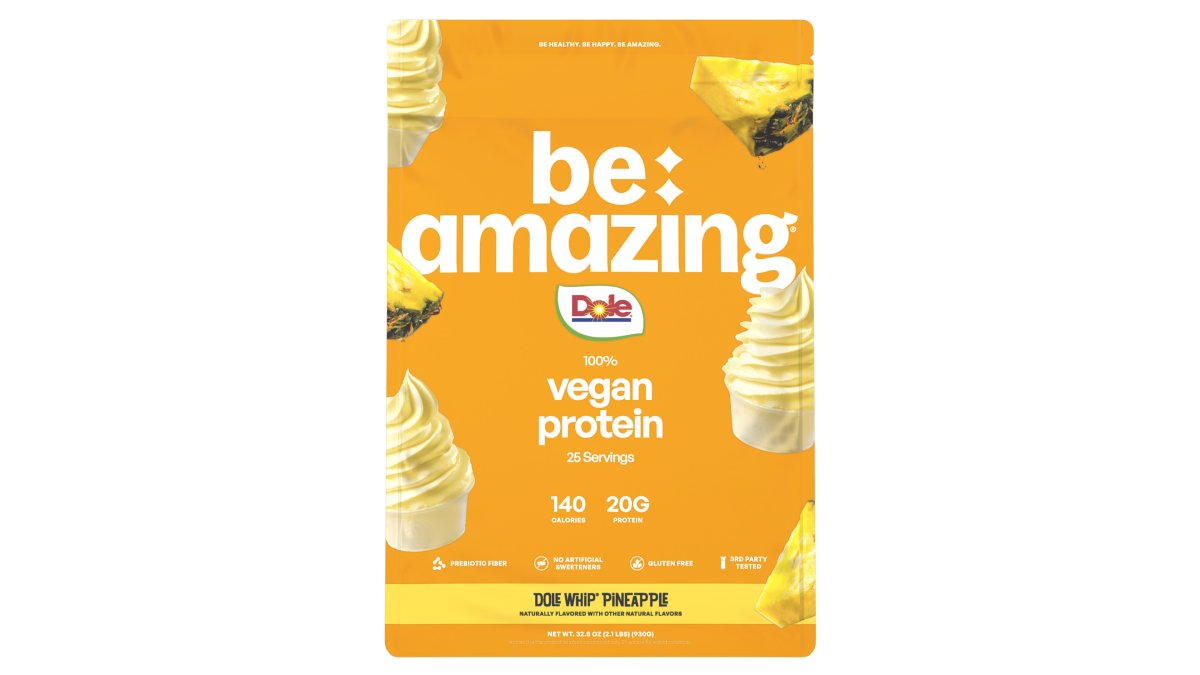
Best For: Lifters focused on lean muscle gain who want to avoid excess calories while supporting digestive health.
Pros:
- 20g protein at only 100 calories
- Includes digestive enzymes for better absorption
- Prebiotic fiber supports gut health
- Clean label: no artificial sweeteners
- Soy-free and gluten-free
Cons:
- Plant-based amino acid profile requires careful total daily planning
- Requires blending for best texture
- Higher price point than some competitors
2. Clear Vegan Protein: Fast-Absorbing Formula
This option addresses a specific need: athletes wanting protein without the thick, chalky texture traditional plant powders deliver. The clear formula mixes instantly and tastes like a refreshing drink rather than a protein shake, removing friction for people who struggle with standard plant protein sensory experience.
Fast absorption makes this useful immediately post-workout when your body is primed for nutrient uptake. The lighter profile means you can consume it without feeling full, making it easier to hit daily protein targets across multiple servings throughout the day. This works particularly well as an intra-workout or between-meal protein source rather than a meal replacement.
Best For: Athletes who find traditional plant protein shakes unpalatable and want rapid absorption for post-workout recovery.
Pros:
- Clear formula, no chalky texture
- Fast-absorbing amino acids
- Convenient between-meal option
- Lighter sensory experience
Cons:
- Less comprehensive micronutrient profile than full-formula options
- Fast absorption means less sustained amino acid release
- Limited flavor variety typical of clear formulas
How to Choose a Vegan Protein Powder for Muscle Gain
Choosing the right plant-based protein powder depends on your training phase, daily protein target, and how you'll stack it with other supplements. Start by identifying your total daily protein goal, most strength athletes aim for 0.7-1.0g per pound of body weight. Calculate how many servings you need from powder versus whole foods, then select based on cost-per-gram analysis.
Amino Acid Profile and Completeness
Amino acid profile should be your second decision point. Soy or pea protein isolate deliver strong leucine content (2.0-2.8g per serving) suitable for muscle hypertrophy. If mixing plant sources, ensure your total daily amino acid profile covers all nine essentials. Many lifters pair plant protein powder with whole food sources like beans, nuts, or seeds to fill amino acid gaps, particularly in methionine and tryptophan.
Stacking Plant Protein With Creatine for Muscle Gain
Creatine monohydrate (5g daily) stacked with plant protein significantly amplifies muscle hypertrophy by increasing ATP regeneration and intramuscular water retention. Unlike amino acids, creatine works independently of protein source. The practical stack: consume your plant protein powder with 5g creatine monohydrate and 40-80g carbohydrates post-workout. The carbs trigger insulin, enhancing both amino acid and creatine uptake into muscle cells. This combination is particularly effective for plant-based lifters because the carb-insulin response partially compensates for plant protein's lower bioavailability compared to whey.

Take creatine consistently daily to build muscle saturation over 4-6 weeks. Pair it with your plant protein at any meal; timing is less critical than total daily intake.
BCAA Supplementation: When It's Worth Adding
Branched-chain amino acids are only necessary if your plant protein lacks adequate leucine. If you're using soy protein isolate (2.8g leucine per serving) or pea isolate (2.0-2.5g), you're already hitting the 1.8-2.0g leucine threshold needed to trigger muscle protein synthesis. Adding standalone BCAAs is redundant and expensive. However, if using hemp protein or brown rice alone, a BCAA supplement filling the leucine gap to 2.0g+ per serving becomes cost-effective.
The exception: intra-workout BCAA sipping during fasted training. If you train fasted and want to preserve muscle, 5-10g BCAAs during the workout provides amino acids without breaking the fast.
Bioavailability and Digestive Enzyme Support
Bioavailability matters more than total protein percentage. A 20g serving of plant protein isolate with digestive enzyme support often delivers more usable amino acids than 30g of concentrate without enzyme support. Check labels for digestive enzyme inclusion (protease, amylase, lipase) and isolate versus concentrate designation. Isolates improve absorption speed, useful post-workout. Concentrates retain more fiber, supporting satiety and gut health, useful as a meal replacement.
Cost-Per-Gram Analysis and Budget Optimization
Calculate cost per gram of protein (price ÷ grams protein per serving), then adjust for bioavailability rating. A $1.20 serving of pea isolate (25g protein, high bioavailability) at $0.05/g is typically superior value to a $1.99 hemp serving (15g, lower bioavailability) at $0.13/g. For budget-conscious lifters, pea or rice isolates consistently offer the best cost-per-usable-gram ratio.
Sweetener Tolerance and Digestive Compatibility
Sweetener tolerance is practical but often overlooked. If stevia causes digestive issues or monk fruit triggers headaches, that powder isn't a good fit regardless of amino acid profile. Test with small quantities first. Some plant-based lifters report bloating from certain protein sources; if pea protein causes gas, rice or soy isolates may be better tolerated.
Third-Party Testing and Source Verification
Third-party testing is non-negotiable for serious athletes. NSF Certified for Sport means the product has been tested for banned substances. Informed Choice certification focuses on contamination screening. USP verification confirms label accuracy. Avoid any plant-based protein that doesn't clearly list its protein source (pea, rice, hemp, soy) as the first ingredient. Proprietary "plant protein blends" often hide lower-quality sources or inadequate amino acid ratios.
Protein Powder Third-Party Testing Standards and Quality Assurance
Third-party testing separates quality plant-based proteins from products that cut corners on safety and accuracy.
NSF Certified for Sport is the gold standard for athletes competing in regulated sports. This certification requires testing for over 270 banned substances and verification that label claims match actual content.
Informed Choice certification focuses specifically on contamination screening, testing for heavy metals, microbial contaminants, and banned substances. This matters because plant proteins can accumulate heavy metals from soil, particularly if sourced from regions with less rigorous agricultural standards.
USP (United States Pharmacopeia) verification confirms that what's listed on the label matches what's in the container. This verifies protein content, amino acid ratios, and micronutrient quantities.
Heavy metal screening is particularly important for plant-based proteins. Pea and rice proteins can concentrate cadmium and lead from soil. Quality manufacturers test for arsenic, cadmium, lead, and mercury and publish these results publicly.
When evaluating plant-based protein powders for muscle gain, prioritize products with at least one of these certifications. The testing investment indicates a manufacturer serious about quality. The cost of third-party testing typically adds 15-25% to product pricing, but that premium directly funds the safety verification protecting your health and performance.
Selecting the best plant-based protein powder for muscle gain requires balancing amino acid completeness, bioavailability, third-party testing standards, and practical usability. JordanWellnessCo's Vegan Protein delivers the complete amino acid profile and digestive enzyme support that serious lifters need without excess calories.

The key differentiator isn't the protein percentage, it's whether the formula actually supports muscle protein synthesis and whether you'll consistently use it. Start with JordanWellnessCo's Vegan Protein at $39.99 if you're building a plant-based muscle-gain protocol. Its combination of 20g protein, digestive enzymes, prebiotic fiber, and clean micronutrient profile addresses the specific challenges plant-based lifters face. Stack it with your training program, maintain consistent daily protein intake, and prioritize third-party tested products. Your muscle gains depend on consistency and protein quality, not on finding some hidden supplement secret.
Frequently Asked Questions
Q: Is plant-based protein powder as effective as whey for muscle growth?
A: Plant-based protein powders can support muscle growth when they contain a complete amino acid profile with adequate leucine content. The key difference is bioavailability: whey absorbs quickly, while plant-based options like pea and rice protein blends may absorb slightly slower. For muscle hypertrophy, total daily protein intake matters most. Aim for 0.7-1 gram per pound of body weight daily, regardless of source. Plant-based powders work effectively when paired with consistent resistance training and proper nutrition.
Q: What should I look for in a complete amino acid profile plant protein?
A: Look for powders containing all nine essential amino acids, especially leucine (which triggers muscle protein synthesis). Blended plant proteins, such as pea, rice, and hemp combined, deliver better amino acid profiles than single-source options. Check the nutrition label for at least 20 grams of protein per serving and a complete BCAA profile. Products listing digestive enzymes support better absorption and gut health, which aids nutrient utilization for muscle recovery.
Q: How do I choose a vegan protein powder for muscle gain?
A: Start by checking the protein content (aim for 20+ grams per serving), amino acid completeness, and third-party testing certification. Consider your taste preference and mixability, some powders blend smoothly while others require a blender. Evaluate cost per gram of protein to maximize value. Look for added digestive enzymes and prebiotic fiber to support gut health and nutrient absorption. Avoid artificial sweeteners if sensitive; stevia and monk fruit are cleaner alternatives. Finally, verify the product is soy-free and gluten-free if you have sensitivities.
Q: What third-party testing standards should I look for in protein powder?
A: Look for certifications from organizations that test for heavy metals, microbial contamination, and label accuracy. Third-party testing ensures the product contains what the label claims and screens for contaminants like lead and cadmium. Common certifications include NSF Certified for Sport and Informed Choice. These standards verify that the powder supports muscle-building claims without unwanted additives. Always check the product label or manufacturer's website for testing documentation before purchasing.
This article was written using GrandRanker