
How to Choose High Quality Supplements: 7 Steps
Table of Contents
- Why Quality Matters When Choosing Supplements
- Step 1: Check for Third-Party Supplement Testing
- Step 2: Learn How to Read Supplement Labels
- Step 3: Understand FDA Supplement Regulation
- Step 4: Evaluate Ingredient Purity and Potency
- Step 5: Verify Scientific Backing and Clinical Evidence
- Step 6: Check Manufacturing Practices and Sourcing
- Step 7: Screen for Interactions and Safety Concerns
Last Updated: August 29, 2026
Why Quality Matters When Choosing Supplements
The supplement industry generates billions in annual sales, yet quality control remains inconsistent across brands. The FDA regulates supplements differently than drugs, giving manufacturers more flexibility in claims and testing. This creates a landscape where well-intentioned brands sit alongside companies making exaggerated promises or cutting corners on ingredient quality.
Quality supplements deliver measurable results because they contain what the label promises, in the right form for your body to absorb, without unwanted contaminants or fillers. The seven steps in this guide will teach you exactly what to look for, from certification seals to manufacturing practices to ingredient transparency.
Step 1: Check for Third-Party Supplement Testing
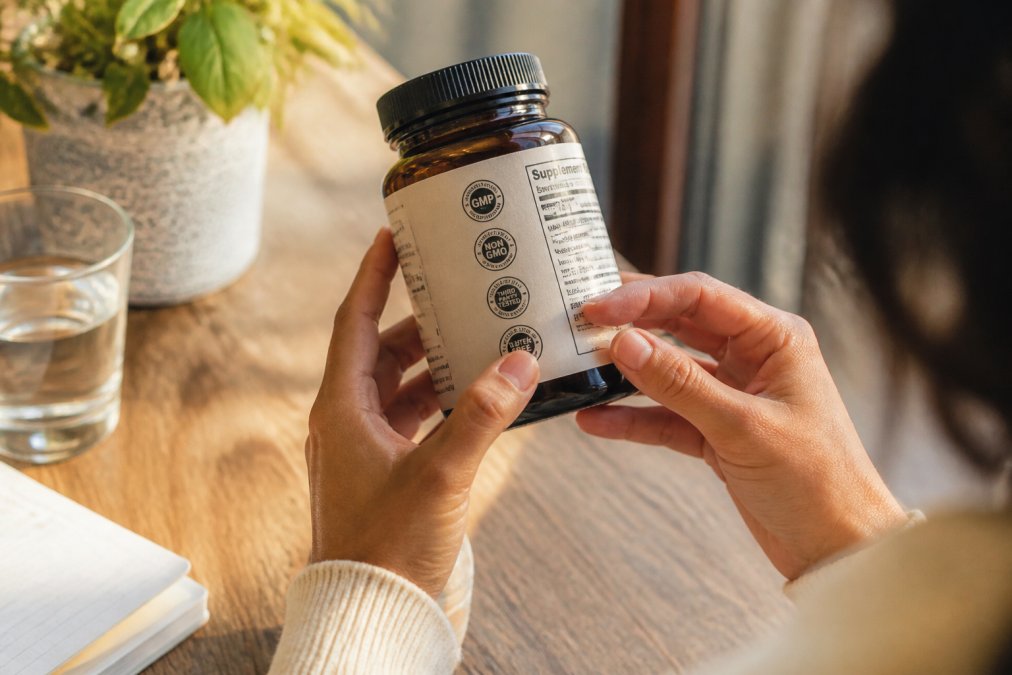
Third-party testing is the single most reliable signal of supplement quality. When an independent laboratory tests a product before it reaches consumers, you get objective verification that the supplement actually contains what's on the label and nothing harmful.
What Third-Party Testing Actually Verifies
Third-party testing checks three critical dimensions: identity (does it contain the ingredient claimed?), potency (is the amount accurate?), and purity (are there contaminants?). A reputable testing lab verifies that a vitamin C supplement actually contains vitamin C at the stated dose, not a fraction of it, and screens for heavy metals, microbial contamination, and undeclared ingredients.
When a supplement passes, the manufacturer receives a certificate of analysis showing exactly what was found. Many manufacturers skip this step because it costs money and takes time. When you see a third-party certification seal on a bottle, you're looking at a manufacturer willing to submit to outside scrutiny.
Which Certification Seals Matter Most
NSF International conducts some of the most thorough testing in the industry, testing for more than 200 contaminants and verifying that products are manufactured under strict quality standards.
USP (United States Pharmacopeia) sets standards for pharmaceutical and supplement quality. A USP verification means the supplement meets official standards for strength, quality, purity, and manufacturing practices.
ConsumerLab independently tests supplements and publishes results online, making their findings publicly available so you can see exactly what they tested.
Informed Choice focuses on sports supplements and tests for banned substances, ensuring the product won't contain prohibited compounds.
Seals from smaller or less-established organizations may indicate some testing occurred, but they don't carry the same credibility as NSF, USP, or ConsumerLab.
Step 2: Learn How to Read Supplement Labels
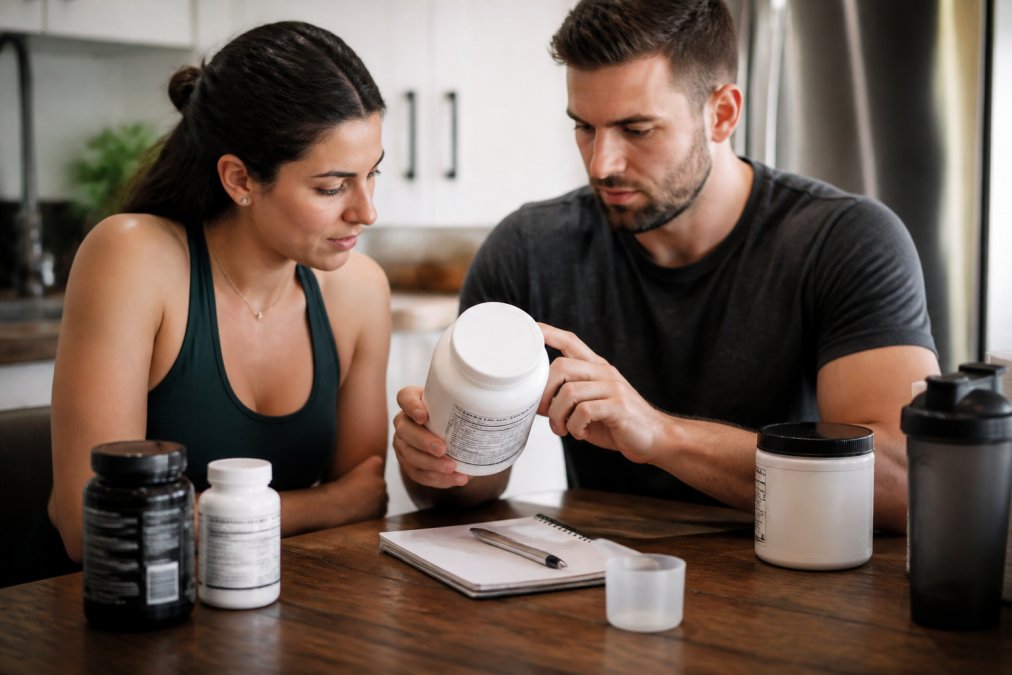
The Supplement Facts panel is your direct line to ingredient transparency. Learning to decode this panel transforms you from a passive consumer into an informed buyer.
Decoding the Supplement Facts Panel
Start by checking the serving size; some manufacturers use unrealistically small servings to make potency numbers look better. Next, look at the actual amounts listed in recognizable units: milligrams (mg) for most vitamins and minerals, or international units (IU) for fat-soluble vitamins.
If an amount is listed as "proprietary blend" without individual ingredient amounts, that's a red flag. The ingredient list at the bottom shows everything added, including binders and fillers. If the first five ingredients are fillers rather than the supplement's main components, you're paying for bulk, not potency.
Check for allergen warnings. Reputable manufacturers clearly state whether a product contains or was manufactured in a facility with common allergens like soy, dairy, tree nuts, or shellfish.
The Proprietary Blend Trap
A proprietary blend lists multiple ingredients under one total weight without breaking down how much of each ingredient is present. This structure protects formulas from competitors but also protects manufacturers from accountability. You can't verify whether amounts are reasonable or whether you're getting a meaningful dose.
When you encounter a proprietary blend, research the supplement's reputation through independent testing results or user reviews. The best supplements avoid proprietary blends entirely and list each ingredient with its exact amount, signaling confidence in the formula.
Step 3: Understand FDA Supplement Regulation
The FDA regulates dietary supplements under the Dietary Supplement Health and Education Act (DSHEA), which establishes different rules than those for prescription or over-the-counter drugs. Manufacturers are responsible for ensuring their supplements are safe and accurately labeled before they reach consumers. The FDA doesn't pre-approve supplements; instead, it monitors the market and can take action if a product is unsafe or claims are false.
The FDA restricts the health claims supplements can make. Manufacturers cannot claim that a supplement "treats," "cures," "mitigates," "prevents," or "reduces the risk of" a disease. They can make "structure-function claims" that describe how a nutrient supports normal function (e.g., "supports bone health").
When evaluating a supplement, pay attention to the language used in marketing. If a brand claims their product "cures arthritis," they're making illegal disease claims. If they say "supports joint flexibility," that's a legal structure-function claim.
For authoritative guidance on supplement regulation, consult FDA regulations on dietary supplements.
Step 4: Evaluate Ingredient Purity and Potency
Purity means the supplement contains only what should be there and nothing harmful. Potency means it contains the right amount of the active ingredient. The best supplements excel at both.
Spotting Contaminants and Heavy Metals
Heavy metals like lead, cadmium, and mercury can accumulate in supplements, particularly those derived from plants grown in contaminated soil. Microbial contamination, bacteria, mold, or other pathogens, can develop during manufacturing or storage and represents a manufacturing failure.
Third-party testing screens for these contaminants. Some supplements are inherently higher-risk for contamination, particularly herbal products sourced internationally and bone broth supplements. If you're taking these products regularly, third-party certification becomes especially important.
Bioavailability and Nutrient Absorption
Potency on the label means nothing if your body can't absorb the nutrient. Different forms of the same nutrient have different bioavailability. Magnesium citrate, for example, is absorbed more readily than magnesium oxide. Vitamin D3 is more bioavailable than vitamin D2.
Quality supplement manufacturers choose forms with higher bioavailability, even though they cost more. You can research bioavailability by looking at the ingredient form listed on the label. If a supplement uses well-researched, highly absorbable forms like chelated minerals or standardized herbal extracts, that signals the manufacturer prioritized effectiveness.
Step 5: Verify Scientific Backing and Clinical Evidence
Before investing in a supplement, check whether scientific research actually supports its use. Look for peer-reviewed studies published in reputable journals. A single small study isn't enough; you want to see multiple studies with consistent results.
Many popular supplements have limited or mixed scientific support. Some have strong evidence for specific uses but weak evidence for others. Reputable manufacturers cite the research behind their products. If a brand can't point you to published studies supporting their claims, that's a warning sign.
You can search for clinical evidence through PubMed, the National Library of Medicine's database. Searching for your supplement's name plus "clinical trial" or "efficacy" will show you what science actually says.
Step 6: Check Manufacturing Practices and Sourcing
Manufacturing facilities that follow Good Manufacturing Practices (GMP) maintain strict controls over ingredients, production processes, and finished products. Look for supplements manufactured in regulated countries with strong quality standards like the United States, Canada, and the European Union.
Ask manufacturers about their sourcing. Where do raw ingredients come from? Are they tested before being incorporated into the final product? Consistent sourcing from reliable suppliers indicates quality control. Sourcing that changes frequently based on cost suggests quality may vary between batches.
Some manufacturers conduct stability testing to verify that supplements maintain their potency throughout their shelf life. A supplement that contains full potency on day one but degrades to 60% potency by the expiration date isn't delivering what you're paying for.
Sustainability and Ethical Sourcing
Quality supplements often come from manufacturers committed to sustainable and ethical sourcing. Sustainable practices tend to produce better-quality ingredients because they prioritize soil health and plant vitality rather than maximizing yield at any cost.
Look for certifications like Fair Trade, Rainforest Alliance, or organic certification. While they don't guarantee supplement efficacy, they indicate a manufacturer's commitment to responsible practices.
Step 7: Screen for Interactions and Safety Concerns
Before starting any new supplement, consider how it might interact with medications, other supplements, or your specific health conditions. Some supplements thin the blood, which is beneficial for cardiovascular health but problematic if you're taking prescription blood thinners. Others interact with medications for diabetes, thyroid conditions, or mental health.
If you take prescription medications or have chronic health conditions, consult with your healthcare provider before adding supplements. Your pharmacist can also check for interactions between supplements and your current medications.
Interactions with Prescription Medications
St. John's Wort can reduce the effectiveness of birth control pills, antidepressants, and blood thinners. Ginkgo biloba can increase bleeding risk if you're taking anticoagulants. High-dose vitamin K can interfere with warfarin. Calcium supplements can reduce absorption of certain antibiotics. Iron supplements can interfere with thyroid medications if taken too close together.
These interactions don't mean you can't take supplements if you're on medications; it means you need to time them appropriately or choose different supplements. Have a conversation with your healthcare provider and bring the supplement label so they can see exactly what you're planning to take.
Choosing high quality supplements means moving beyond marketing claims and into the actual details of testing, manufacturing, and scientific support.
At JordanWellnessCo, we've built our supplement selection around these principles. Every product in our collection has been evaluated for third-party testing, ingredient quality, and scientific backing. We prioritize brands that invest in transparency and quality control because we know that's what delivers real results. When you shop with us, you're getting supplements that have already passed rigorous evaluation, so you can focus on your health rather than decoding marketing hype.
| Evaluation Step | What to Check | Red Flags |
|---|---|---|
| Third-Party Testing | NSF, USP, ConsumerLab, or Informed Choice certification | No certification or unknown certifier |
| Label Reading | Supplement Facts panel, ingredient transparency, serving size | Proprietary blends, vague ingredients, unrealistic serving sizes |
| Potency & Purity | Bioavailable forms, absence of heavy metals or contaminants | Cheap ingredient forms, no contamination testing |
| Scientific Evidence | Peer-reviewed studies supporting the supplement's use | Marketing claims without research support |
| Manufacturing | GMP certification, regulated country of origin, consistent sourcing | Unknown manufacturing location, frequent sourcing changes |
| Safety Profile | Interactions with medications, contraindications for your health status | Vague safety information, no interaction warnings |
Frequently Asked Questions
Q: How do I know if a supplement is high quality?
A: High quality supplements have third-party testing certifications (NSF, USP, or ConsumerLab), transparent ingredient lists without proprietary blends, and clear dosage amounts. Check the Supplement Facts label for standardized extracts, verify the manufacturer follows Good Manufacturing Practices (GMP), and confirm the brand backs claims with clinical research. Avoid vague health claims and look for batch testing information on the company's website.
Q: What third-party certifications should I look for when choosing supplements?
A: The most trusted third-party supplement testing certifications are NSF International, USP (United States Pharmacopeia), and ConsumerLab. These organizations independently verify that supplements contain the labeled ingredients, are free from contaminants like heavy metals, and meet potency standards. Products bearing these seals have undergone rigorous testing and batch verification, making them reliable markers of quality.
Q: Are supplements regulated by the FDA?
A: Yes, the FDA oversees dietary supplements under the Dietary Supplement Health and Education Act (DSHEA). However, the FDA does not pre-approve supplements before they reach the market like it does for prescription drugs. Manufacturers are responsible for ensuring safety and accuracy of labels. The FDA can take action against unsafe products or false claims after they're on the market, but pre-market approval is not required.
Q: What red flags indicate a low-quality supplement?
A: Watch for supplements with proprietary blends that hide individual ingredient amounts, exaggerated health claims (like 'cures' or 'treats' disease), missing third-party testing certifications, vague ingredient sourcing, or prices unusually lower than comparable products. Avoid brands that don't list manufacturing dates or batch numbers, lack contact information, or make claims not supported by clinical trials. If a label seems designed to hide information rather than reveal it, that's a warning sign.
This article was written using GrandRanker