

Table of Contents
- What Stress Actually Does to Your Body
- Physical Symptoms of Chronic Stress
- Emotional and Behavioral Signs You Shouldn't Overlook
- How to Manage Stress Naturally in 2026
- Building a Daily Self-Care Routine for Stress
- Best Stress Relief Tools for Home
- Digital Stress, Work-Life Balance, and Modern Triggers
- When to Seek Professional Help for Stress
- Frequently Asked Questions
Last Updated: September 15, 2026
What Stress Actually Does to Your Body
Stress and stress management start with understanding what's happening inside you. Stress is the body's automatic response to a demand or threat, triggering the release of hormones like cortisol and adrenaline that prepare you to act. This is the fight-or-flight response, and it evolved to keep you alive. The problem is that modern stressors, from inbox overload to financial worry, keep that system switched on long after the threat has passed.
Acute Stress vs. Chronic Stress
Acute stress is short-term and often useful. You feel it before a presentation or a near-miss in traffic, then it fades. Chronic stress is the version that wears you down. It persists for weeks or months, keeping cortisol levels elevated and disrupting sleep, digestion, immunity, and mood. The American Psychological Association's stress resources describes chronic stress as a sustained burden that affects nearly every system in the body.
The distinction matters because the fixes are different. Acute stress responds well to quick relaxation techniques. Chronic stress usually needs lifestyle changes, boundary-setting, and sometimes professional support.
Physical Symptoms of Chronic Stress
Chronic stress shows up in the body long before most people connect the dots. Common physical symptoms include:
- Persistent fatigue that sleep doesn't fix
- Tension headaches and jaw clenching
- Digestive issues like bloating, acid reflux, or irregular appetite
- Frequent colds or slow healing
- Muscle tightness in the neck, shoulders, and lower back
- Changes in libido and menstrual cycles
- Elevated blood pressure and heart rate
Warning Signs Most People Ignore
The signs most people brush off are the telling ones. Grinding your teeth at night, catching every cold that goes around, or feeling wired but exhausted at 11 p.m. all point to a nervous system stuck in overdrive. A common mistake is treating each symptom separately with a painkiller or an extra coffee instead of addressing the underlying stress load.
Emotional and Behavioral Signs You Shouldn't Overlook
Emotional warning signs are easier to dismiss because they feel like personality rather than physiology. Watch for irritability over small things, a short fuse you didn't used to have, and a sense of dread about tasks that used to be routine. Anxiety, low mood, and difficulty concentrating are all common. So is feeling detached from people you care about.
Behavioral changes are often the clearest signal. You might notice yourself withdrawing from friends, procrastinating more, eating differently, drinking more alcohol, or scrolling compulsively. These aren't character flaws. They're coping strategies the brain reaches for when emotional regulation is stretched thin. Naming them honestly is the first step toward changing them.
How to Manage Stress Naturally in 2026
Natural stress management works by giving your nervous system repeated signals of safety. The most effective approaches combine quick in-the-moment techniques with daily habits that build resilience over time.
Breathing and Relaxation Techniques That Take Under 5 Minutes
These are the fastest tools you have, and they work because slow, extended exhales activate the parasympathetic branch of your nervous system.
- Box breathing: Inhale for 4 counts, hold 4, exhale 4, hold 4. Repeat for two minutes.
- 4-7-8 breathing: Inhale 4, hold 7, exhale 8. Four rounds is usually enough.
- Physiological sigh: Two quick inhales through the nose, one long exhale through the mouth. Do it three times.
- Progressive muscle relaxation: Tense each muscle group for five seconds, then release.
- Guided meditation: Even five minutes of mindfulness meditation lowers the stress response.
Adaptogens, Supplements, and What the Research Supports
Adaptogens are plants and compounds studied for their ability to help the body respond to stress. Ashwagandha, L-theanine, GABA, lion's mane, and rhodiola are among the most discussed. The evidence is promising but mixed, and no supplement replaces sleep, movement, and boundaries. If you take medication or have a health condition, check with a healthcare provider before adding anything new.

Building a Daily Self-Care Routine for Stress
A daily self-care routine for stress works best when it's small enough to actually keep. The goal isn't a perfect morning ritual. It's stacking a few reliable habits that tell your body the day has structure and safety.
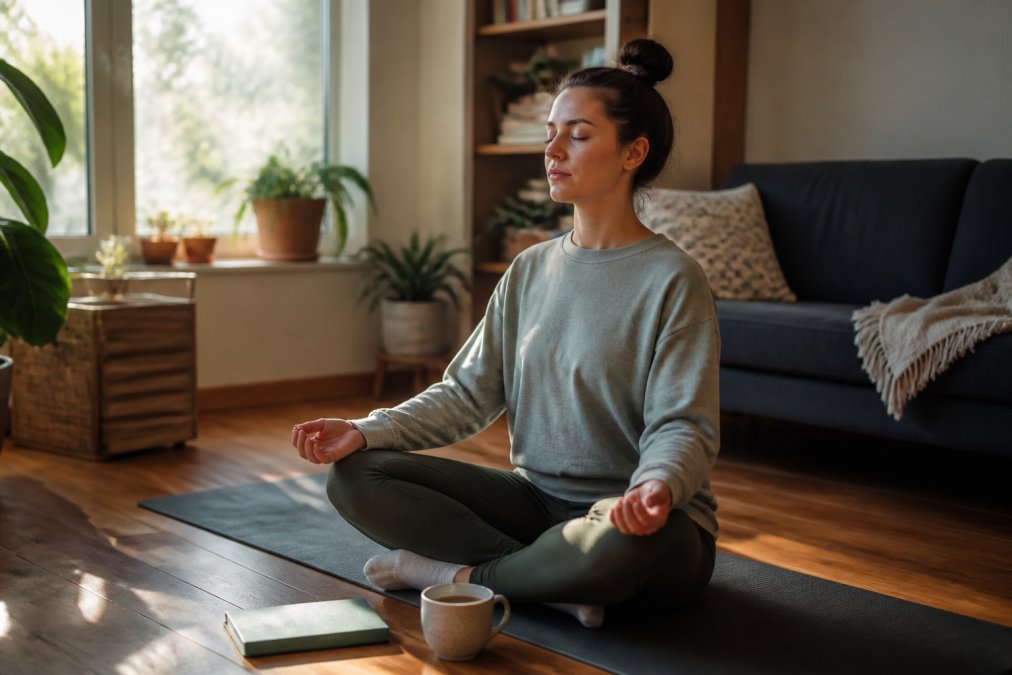
Try this simple template:
- Morning: 5 minutes of breathing or meditation, plus daylight exposure within an hour of waking
- Midday: A 10-minute walk outside and a real lunch away from screens
- Evening: A wind-down ritual, dim lights, and a consistent bedtime
- Weekly: One longer restorative activity, such as a bath, a hike, or time with people you enjoy
Sleep hygiene belongs in this routine too. A fixed wake time, a cool dark room, and no caffeine after early afternoon do more for stress resilience than most people expect.
Best Stress Relief Tools for Home
The best stress relief tools for home are the ones you'll actually reach for.
| Tool | Best For | How to Use It |
|---|---|---|
| Fizzy bath powder or foot soak | Unwinding after work | Add to warm water, soak 15-20 minutes |
| Wearable calming patches | On-the-go stress support | Apply to clean skin, wear through the day |
| Guided meditation app | Beginners and busy schedules | 5-10 minutes, same time daily |
| Journal or devotional | Racing thoughts, reflection | Write for 5 minutes before bed |
| Weighted blanket | Sleep and physical tension | Use during wind-down |
Digital Stress, Work-Life Balance, and Modern Triggers
Why Digital Stress Hits Differently
A Framework for Setting Boundaries That Hold
Scripts You Can Actually Use
The Physiological Payoff
When to Seek Professional Help for Stress
Frequently Asked Questions
What are the physical symptoms of chronic stress?
Chronic stress shows up physically as persistent headaches, muscle tension (especially in the neck and shoulders), digestive issues like acid reflux or irritable bowel symptoms, fatigue that sleep doesn't fix, and a weakened immune response that makes you catch colds more often. Some people notice elevated blood pressure, chest tightness, or changes in appetite. These symptoms develop gradually, which is why many people dismiss them until they become hard to ignore. If physical symptoms persist for weeks, see a healthcare provider to rule out other causes.

How do I manage stress naturally in 2026 without medication?
Natural stress management combines daily movement, breathing exercises, sleep hygiene, and targeted supplements. Start with 10 minutes of physical activity, try box breathing or 4-7-8 breathing when you feel tension rising, and protect a consistent sleep schedule. Adaptogenic herbs like ashwagandha and L-theanine have research supporting their role in calming the nervous system. JordanWellnessCo's Daily Stress Support offers a convenient option at $6.48. Pair these with a wind-down routine that limits screens an hour before bed.
What are the best stress relief tools for home?
Effective home tools include a weighted blanket for nervous system grounding, a lavender foot soak or fizzy bath powder for relaxation, a journal for cognitive reframing, and a meditation app for guided sessions. Wearable stress patches with ashwagandha and GABA, like the Relax & Let Go Zen Stress Patches ($38.97 at JordanWellnessCo), offer all-day support without pills. A simple yoga mat and resistance bands also let you squeeze in movement without leaving the house. The best tool is the one you'll actually use consistently.
How do I relieve stress quickly in the moment?
The fastest way to calm your nervous system is through your breath. Try the physiological sigh: two quick inhales through the nose, then a long exhale through the mouth. Repeat three times. This activates the parasympathetic response and can lower heart rate within 60 seconds. Other quick options: splash cold water on your face, step outside for two minutes of fresh air, or do a body scan from head to toe. These techniques work because they interrupt the fight-or-flight response before it spirals.
What is a realistic daily self-care routine for stress?
A sustainable routine takes 15-20 minutes total. Morning: 5 minutes of stretching or deep breathing before checking your phone. Midday: a 10-minute walk outside, ideally without headphones. Evening: a lavender foot soak or stress patch, journaling for 5 minutes, and a consistent bedtime. The goal isn't perfection, it's consistency. Small daily habits regulate cortisol better than occasional intense self-care. JordanWellnessCo's Lion's Mane Tincture ($24.97) supports cognitive function and mood as part of a daily routine.
When should I seek professional help for stress management?
Seek professional support when stress interferes with work, relationships, or basic daily functioning for more than two weeks. Warning signs include persistent insomnia, panic attacks, inability to concentrate, withdrawing from people you care about, or using alcohol or substances to cope. A therapist, counselor, or primary care physician can assess whether you're dealing with burnout, anxiety, or depression alongside stress. Asking for help is a sign of self-awareness, not weakness. Early intervention prevents chronic stress from becoming a stress-related illness.
Chronic stress rarely resolves on its own, but the tools to manage it are within reach. JordanWellnessCo brings the supplements, self-care essentials, and wind-down products together in one place so building a calmer routine takes less effort. Explore adaptogenic support like Daily Stress Support, wearable calming patches, and lavender bath soaks, then shop now and give your nervous system the daily reset it's been asking for.


