
Essential Recovery Tools for Active Adults
Table of Contents
- Recovery Tools Comparison Table
- Percussion Massage Therapy for Muscle Recovery
- Foam Rolling Best Practices for Beginners
- Compression Therapy and Advanced Recovery Systems
- How to Manage Stress Naturally Through Recovery Tools
- Recovery Tool Usage Duration Guidelines
- Wearable Recovery Trackers and Sleep Optimization
- Budget-Friendly DIY Recovery Alternatives
Last Updated: August 23, 2026
Recovery Tools Comparison Table
Active adults face a genuine problem: muscle soreness, joint stiffness, and fatigue pile up faster than recovery can happen naturally. The tools you choose determine whether you bounce back in days or weeks.
| Tool | Type | Best For | Key Benefit | Typical Investment |
|---|---|---|---|---|
| Percussion massage gun | Portable device | Post-workout muscle release | Deep tissue stimulation without appointments | $139-$650 |
| Foam roller | Manual tool | Daily myofascial release | Low-cost, versatile muscle care | $40-$100 |
| Compression therapy system | Advanced device | Serious athletes | Reduces DOMS and speeds lymphatic drainage | $1,295-$1,690 |
| Electronic muscle stimulator | Wearable device | Performance and recovery | Enhances strength and reduces pain | $225-$350 |
| Sleep tracker | Wearable tech | Recovery optimization | Reveals sleep quality and readiness | $149-$400/year |
| Topical pain relief | Over-the-counter | Quick soreness management | Fast-acting cold therapy | $18-$35 |
| Stretching mat | Basic equipment | Mobility and flexibility | Foundation for active recovery routines | $30-$40 |
Most active adults benefit from combining 2-3 tools rather than relying on a single solution.
Percussion Massage Therapy for Muscle Recovery
Percussion massage delivers rapid, targeted vibrations deep into muscle tissue to break up tension, increase blood flow, and reduce post-workout soreness. Rapid vibrations (typically 1,200-3,600 pulses per minute) increase circulation and reduce muscle tightness, especially valuable 24-48 hours post-workout when delayed onset muscle soreness (DOMS) begins (peer-reviewed research).
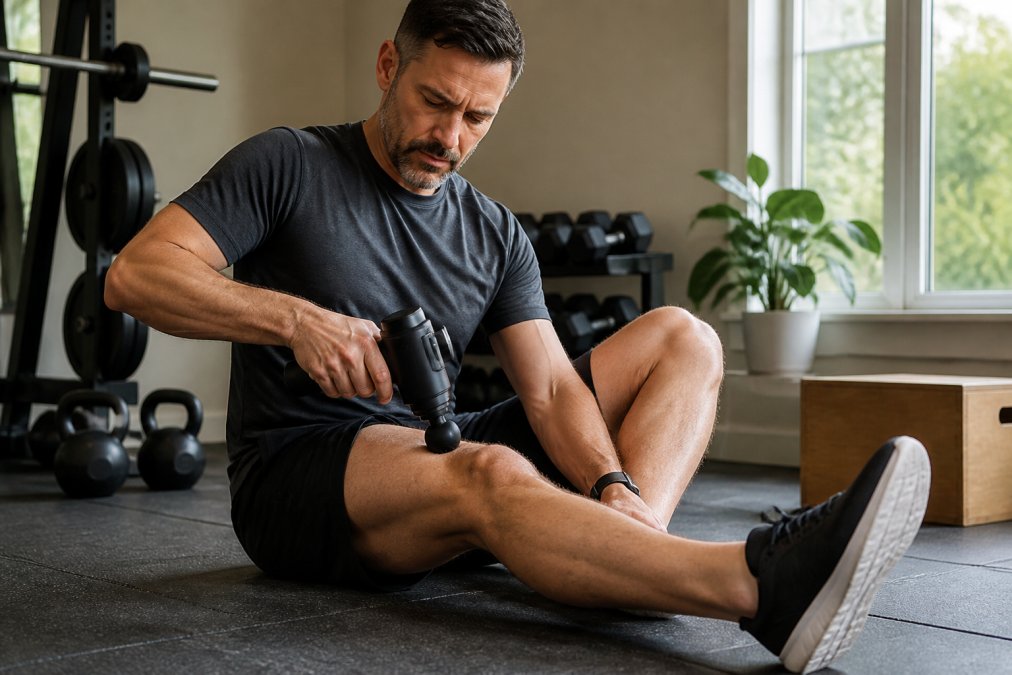
Theragun PRO Plus ($649.99) combines five therapy modalities, percussive massage, LED light therapy, vibration therapy, heat therapy, and app-guided routines. The 16mm amplitude delivers deep tissue penetration with QuietForce technology for minimal noise.
For portability and budget, Hypervolt Go 2 ($139.00) weighs just 1.5 pounds, runs nearly silent, and delivers three speed settings. The 3-hour battery life suits most home use.
Percussion massage works best combined with stretching or foam rolling, not as a standalone tool. Use it within 2-4 hours after training for maximum benefit.
Foam Rolling Best Practices for Beginners
Foam rolling is myofascial release, self-massage that uses sustained pressure to break up adhesions in muscle tissue and fascia. Unlike percussion massage, it's slow and deliberate, making it safer for beginners.
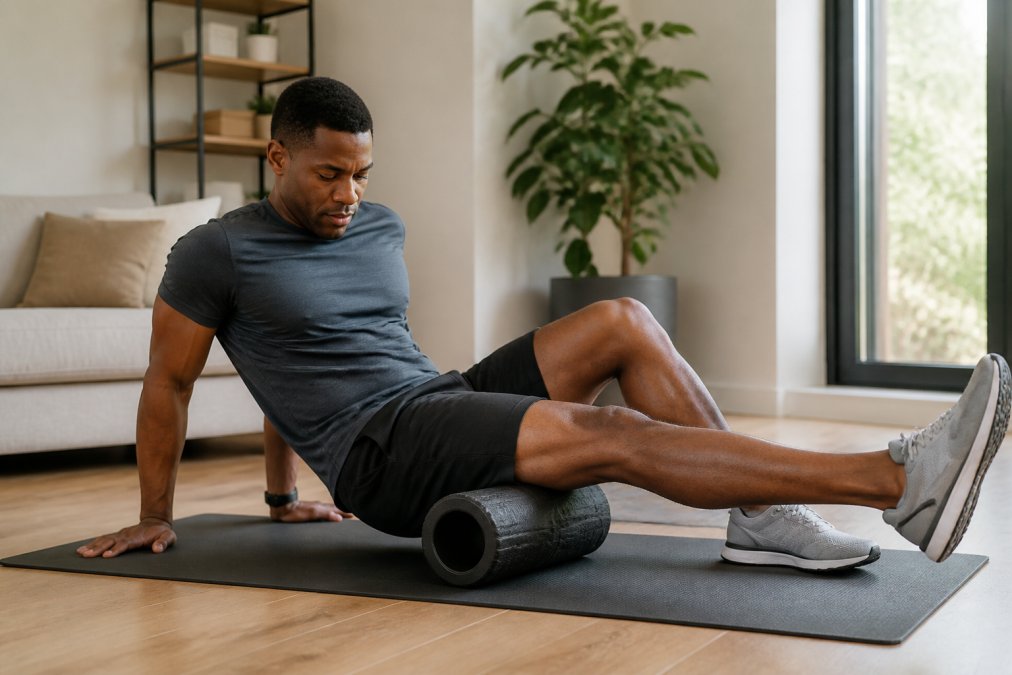
TriggerPoint GRID Foam Roller ($39.99) features a patented three-dimensional surface mimicking a massage therapist's hands. The hollow core won't compress permanently, supports up to 500 pounds, and measures 13 inches for easy storage.
Myofascial Release Techniques
The foundational approach:
-
Identify the tight area. Common problem areas are quadriceps, calves, IT band, and upper back.
-
Position the roller perpendicular to the muscle. For quads, the roller should run across your leg.
-
Apply body weight gradually. Start with light pressure using your hands for support, then increase slowly. You should feel pressure and mild discomfort, never sharp pain.
-
Move slowly. Spend 1-2 seconds per inch of muscle.
-
Pause on tender points. Hold particularly tight areas for 15-30 seconds while breathing deeply.
-
Repeat 3-5 times per week. Most active adults see best results with 2-3 sessions weekly.
Foam rolling typically takes 10-15 minutes total. Best timing is after workouts or on rest days, not before training.
Compression Therapy and Advanced Recovery Systems
Compression therapy uses sequential air pressure to massage limbs, enhance blood flow, and reduce muscle soreness. The wave-like inflation and deflation pushes blood through muscles and joints, delivering oxygen while removing metabolic waste products.
Normatec Pulse 2.0 Leg Recovery System ($1,295-$1,689.45) is proven for serious athletes. The Bluetooth-enabled app customizes session duration and intensity, with Zone Boost for problem areas. It's 27% more compact than its predecessor and includes a rechargeable battery for up to 2 hours of use.
Compression therapy is overkill for casual fitness enthusiasts unless training intensely 5-6 days weekly. A 20-30 minute session costs time and money better spent on sleep, stretching, or nutrition.
How to Manage Stress Naturally Through Recovery Tools
Recovery is psychological as well as physical. Intense training creates mental fatigue and elevated stress hormones like cortisol, interfering with sleep and tissue repair. Percussion massage and foam rolling activate the parasympathetic nervous system (your body's "rest and digest" mode), triggering relaxation similar to meditation.
Stretching routines on a quality mat like the Gaiam Yoga Mat become mindfulness practice. Holding stretches while breathing deeply shifts your nervous system from sympathetic (fight-or-flight) to parasympathetic (recovery).
Wearable recovery trackers provide psychological feedback through data, creating positive reinforcement that motivates better habits.
Recovery Tool Usage Duration Guidelines
Percussion massage: 30-60 seconds per muscle group, 2-4 times weekly. Total session: 5-10 minutes. Best timing: 2-4 hours post-workout or before bed.
Foam rolling: 1-2 minutes per muscle group, 3-5 times weekly. Total session: 10-15 minutes. Best timing: post-workout or rest days.
Compression therapy: 20-30 minutes per session, 2-3 times weekly for serious athletes. Best timing: immediately after intense training.
Stretching routines: 10-15 minutes daily. Hold each stretch 20-30 seconds. Best timing: after workouts when muscles are warm.
Topical pain relief: Apply as needed for localized soreness. Effects last 1-2 hours. Safe to reapply every 3-4 hours, maximum 4 applications daily.
Electronic muscle stimulation: 15-20 minutes per session, 3-5 times weekly. Follow device-specific recommendations.
Consistency matters more than duration. Three 10-minute foam rolling sessions weekly beats one 30-minute session.
Wearable Recovery Trackers and Sleep Optimization
Sleep is where 70% of physical recovery happens (peer-reviewed research). Wearable trackers quantify sleep quality and readiness, optimizing recovery.
Oura Ring Gen3 ($249-$400 plus $5.99/month) is discreet for 24/7 wear. It tracks heart rate, body temperature, blood oxygen, and sleep stages, generating a daily readiness score. The ring weighs four grams and is waterproof.
WHOOP 4.0 ($149-$199/year subscription) focuses on heart rate variability, sleep, and strain. The band syncs continuously via Bluetooth and provides coaching insights on when to push hard versus dial back intensity.
Sleep optimization is the most underrated recovery tool. Prioritize 7-9 hours nightly, keep your bedroom cool (65-68°F), and invest in a quality pillow and mattress (the NIH). These fundamentals outperform any gadget.
Budget-Friendly DIY Recovery Alternatives
Effective recovery doesn't require expensive tools.
Ice baths: A bathtub filled with cold water (50-60°F) for 10-15 minutes reduces inflammation and soreness at zero cost. Consistency matters more than cryotherapy chambers.
DIY foam rolling: A PVC pipe or sturdy water bottle serves as a foam roller for calves and small muscle groups.
Stretching and mobility work: A basic yoga mat ($30-$40) and bodyweight stretching routines cost almost nothing. YouTube offers thousands of free, high-quality stretching videos.
Contrast therapy: Alternating between hot and cold water improves circulation and reduces soreness at no cost.
Epsom salt baths: Soaking for 15-20 minutes reduces muscle tension and provides magnesium absorption. A bag costs $5-$10 and lasts multiple baths.
Sleep optimization: Blackout curtains ($20-$30), a white noise machine ($30-$50), and a consistent sleep schedule cost far less than most recovery devices and deliver better results.
Eighty percent of recovery comes from sleep, nutrition, and stress management. The remaining 20% comes from active recovery tools. Start with fundamentals, sleep, stretching, and basic foam rolling, before investing in advanced equipment.
Effective recovery isn't about buying the most expensive tools, it's about consistency and understanding what your body actually needs. At JordanWellnessCo, we offer a curated selection of essential recovery tools for active adults that span every budget level, from affordable foam rollers to advanced compression systems. Whether you're choosing a percussion massage gun, a wearable sleep tracker, or a simple stretching mat, the key is selecting tools that fit your training intensity and lifestyle. Start with one or two proven options, use them consistently, and add more as your recovery demands increase. Shop now to build your personalized recovery toolkit.
=== FAQ ANSWERS (audit these too, same rules) ===
[1] Q: What are the most effective recovery tools for active adults? A: The most effective recovery tools combine multiple modalities: percussion massage therapy for deep tissue work, foam rolling for myofascial release, compression therapy for circulation improvement, and wearable trackers for sleep and recovery monitoring. Percussion massage guns like the Theragun PRO Plus deliver deep tissue penetration at multiple speeds, while foam rollers provide affordable, portable self-myofascial release. For serious athletes, dynamic air compression systems significantly reduce delayed onset muscle soreness (DOMS). The best choice depends on your budget, recovery goals, and whether you prefer active or passive recovery methods.
[2] Q: How long should you use recovery tools each session? A: Recovery tool usage duration guidelines recommend 1-2 minutes per muscle group for percussion massage guns, typically 3-5 minutes total per session. Foam rolling should last 30-60 seconds per muscle group, with 2-3 sessions per week for beginners. Compression therapy sessions usually run 20-30 minutes for optimal results. Always start with shorter durations and lower intensities if you're new to these tools, and increase gradually as your body adapts. Overuse can cause tissue irritation, so consistency matters more than duration.
[3] Q: Can recovery tools help with stress and mental fatigue? A: Yes. How to manage stress naturally includes using recovery tools that activate the parasympathetic nervous system. Percussion massage and foam rolling trigger relaxation responses, improving circulation and reducing muscle tension linked to stress. Wearable trackers like Oura Ring and WHOOP provide sleep insights that reduce anxiety about recovery quality. Gentle foam rolling before bed and compression therapy sessions both lower cortisol levels and improve sleep hygiene. Combining physical recovery tools with adequate sleep creates a holistic approach to psychological recovery and mental fatigue management.
[4] Q: Are percussion massage guns worth the investment? A: Percussion massage guns offer excellent value for active adults seeking convenience and effectiveness. Entry-level options like the Hypervolt Go 2 ($139) provide portability and quiet operation, while premium devices like the Theragun PRO Plus ($649.99) add LED light therapy, vibration therapy, and heat therapy for comprehensive recovery. For daily use and muscle soreness management, they can be a valuable addition to a recovery routine. However, foam rollers ($39.99) deliver similar benefits at lower cost, making them ideal for budget-conscious beginners. The best choice depends on your training intensity and recovery budget.
Frequently Asked Questions
What are the most effective recovery tools for active adults?
The most effective recovery tools combine multiple modalities: percussion massage therapy for deep tissue work, foam rolling for myofascial release, compression therapy for circulation improvement, and wearable trackers for sleep and recovery monitoring. Percussion massage guns like the Theragun PRO Plus deliver deep tissue penetration at multiple speeds, while foam rollers provide affordable, portable self-myofascial release. For serious athletes, dynamic air compression systems significantly reduce delayed onset muscle soreness (DOMS). The best choice depends on your budget, recovery goals, and whether you prefer active or passive recovery methods.
How long should you use recovery tools each session?
Recovery tool usage duration guidelines recommend 1-2 minutes per muscle group for percussion massage guns, typically 3-5 minutes total per session. Foam rolling should last 30-60 seconds per muscle group, with 2-3 sessions per week for beginners. Compression therapy sessions usually run 20-30 minutes for optimal results. Always start with shorter durations and lower intensities if you're new to these tools, and increase gradually as your body adapts. Overuse can cause tissue irritation, so consistency matters more than duration.
Can recovery tools help with stress and mental fatigue?
Yes. How to manage stress naturally includes using recovery tools that activate the parasympathetic nervous system. Percussion massage and foam rolling trigger relaxation responses, improving circulation and reducing muscle tension linked to stress. Wearable trackers like Oura Ring and WHOOP provide sleep insights that reduce anxiety about recovery quality. Gentle foam rolling before bed and compression therapy sessions both lower cortisol levels and improve sleep hygiene. Combining physical recovery tools with adequate sleep creates a holistic approach to psychological recovery and mental fatigue management.
Are percussion massage guns worth the investment?
Percussion massage guns offer excellent value for active adults seeking convenience and effectiveness. Entry-level options like the Hypervolt Go 2 ($139) provide portability and quiet operation, while premium devices like the Theragun PRO Plus ($649.99) add LED light therapy, vibration therapy, and heat therapy for comprehensive recovery. For daily use and muscle soreness management, they can be a valuable addition to a recovery routine. However, foam rollers ($39.99) deliver similar benefits at lower cost, making them ideal for budget-conscious beginners. The best choice depends on your training intensity and recovery budget.
This article was written using GrandRanker