
Is Herbal Tea Good for Sleep? What Science Says
Table of Contents
- The Honest Answer to: Is Herbal Tea Good for Sleep?
- How Herbal Tea Affects Sleep Quality and Sleep Latency
- Chamomile, Valerian Root, and Lavender: What the Evidence Shows
- The Best Herbal Tea for Insomnia: A Practical Comparison
- Valerian Root for Sleep Safety: Interactions and Side Effects
- Brewing the Perfect Cup: Temperature, Timing, and Hydration
- How to Manage Stress Naturally 2026: Building a Bedtime Ritual
- Your Next Step to Restorative Sleep
- Frequently Asked Questions
Last Updated: September 6, 2026
The Honest Answer to: Is Herbal Tea Good for Sleep?
The short answer is yes, but with important caveats. Herbal tea can be a helpful part of a calming bedtime routine, primarily because most varieties are naturally caffeine-free and contain compounds that promote relaxation. This guide from JordanWellnessCo breaks down what the evidence actually supports, which herbs are worth trying, and the practical details that determine whether your cup of tea helps or hinders your rest.
For many people, a warm cup of tea signals to the body that the day is winding down. That ritual alone can be valuable. However, the specific herbs you choose matter, as does the timing of your cup. Drinking the right tea at the wrong time, or choosing a blend with hidden caffeine, can work against your goals for restorative sleep.
Below, we will explore how herbal tea affects sleep quality, compare the most popular herbs for insomnia, and address safety considerations you should know before making tea a nightly habit. You will also find practical brewing guidance so your cup actually delivers the calming effect you are looking for.
How Herbal Tea Affects Sleep Quality and Sleep Latency
Herbal tea influences sleep through two distinct pathways: the physiological effects of plant compounds and the psychological effect of a bedtime ritual. Sleep latency, the time it takes to fall asleep, can improve when both pathways work together. A warm, caffeine-free infusion consumed about an hour before bed supports the body's natural wind-down process without the stimulating effects of regular tea or coffee.
The key is consistency. Occasional use may offer mild benefits, but incorporating tea into a nightly routine helps reinforce your circadian rhythm. Your body learns to associate the warmth, aroma, and taste with the approaching sleep period. This conditioning effect is a legitimate reason many sleep specialists suggest a calming beverage as part of proper sleep hygiene.
The Role of Apigenin and Other Flavonoids
Apigenin is a flavonoid found in chamomile that binds to certain receptors in the brain associated with sedation. This interaction is why chamomile is the most studied herb for sleep. Flavonoids and polyphenols are plant compounds with antioxidant properties that may support the nervous system and contribute to anxiety reduction.
Passionflower and lemon balm also contain flavonoids that appear to influence GABA, a neurotransmitter that calms neural activity. While the exact mechanisms are still being researched, the general consensus is that these compounds exert a gentle, calming effect rather than a strong sedative one. Herbal tea is not a sleep medication; it is a supportive tool for relaxation.
Chamomile, Valerian Root, and Lavender: What the Evidence Shows
Chamomile is the most well-known sleep tea, and for good reason. Its apigenin content and mild sedative effects make it a reasonable first choice for occasional sleep difficulties. Valerian root has a longer history of use for insomnia, though its effects are more pronounced and its taste is noticeably earthier. Lavender is valued primarily for its calming aroma, which can reduce anxiety and promote a peaceful state before bed.
Research on these herbs is promising but not conclusive. A common finding is that herbal preparations produce modest improvements in sleep quality for people with mild sleep complaints rather than chronic insomnia. The evidence base is growing, but individual responses vary widely. What works for one person may not work for another, which is why experimentation is part of the process.
National Center for Complementary and Integrative Health overview of chamomile and valerian
The practical takeaway is to start with a single herb, such as chamomile, and observe how your body responds over a week or two. If you notice little change, consider a blend that includes valerian or passionflower. Many commercial blends combine these herbs precisely because they target different aspects of the relaxation response.
The Best Herbal Tea for Insomnia: A Practical Comparison
If you are looking for the best herbal tea for insomnia, the answer depends on your specific sleep pattern. Are you struggling to fall asleep, or do you wake up frequently during the night? Different herbs address different aspects of sleep disruption.
| Herb | Primary Benefit | Flavor Profile | Best For |
|---|---|---|---|
| Chamomile | Mild relaxation, anxiety reduction | Sweet, apple-like | General wind-down and mild sleep onset issues |
| Valerian Root | Stronger sedative effects | Earthy, bitter | Difficulty falling asleep or staying asleep |
| Lavender | Calming aroma, anxiety reduction | Floral, slightly sweet | Pre-bed relaxation and stress relief |
| Lemon Balm | Gentler calming effect | Citrus, minty | Mild stress and evening tension |
| Passionflower | GABA support, relaxation | Herbal, slightly sweet | Racing thoughts at bedtime |
For occasional sleeplessness, chamomile or lavender tea is a gentle starting point. For more persistent trouble with sleep onset, a valerian-based blend taken consistently may offer stronger support. Many people find that rotating between two or three herbs prevents the routine from becoming stale while still providing benefit.
Valerian Root for Sleep Safety: Interactions and Side Effects
Valerian root for sleep safety deserves careful attention. While valerian is well-tolerated by most people, it is not without risks. Valerian root for sleep safety should be considered in the context of potential drug-herb interactions, which many guides overlook.
Valerian can intensify the effects of sedative medications, including benzodiazepines, certain antidepressants, and sleep aids. Combining valerian with alcohol or other central nervous system depressants can lead to excessive drowsiness. If you take prescription medication for anxiety, depression, or sleep, consult your healthcare provider before adding valerian to your routine.
Additionally, valerian is not recommended for use during pregnancy or while breastfeeding unless a physician approves it. Some people experience vivid dreams or mild gastrointestinal upset. The key principle is to start with a low dose and observe your response before increasing intake. A tincture or capsule formulation provides more consistent dosing than tea, where the active compound concentration can vary.
Brewing the Perfect Cup: Temperature, Timing, and Hydration
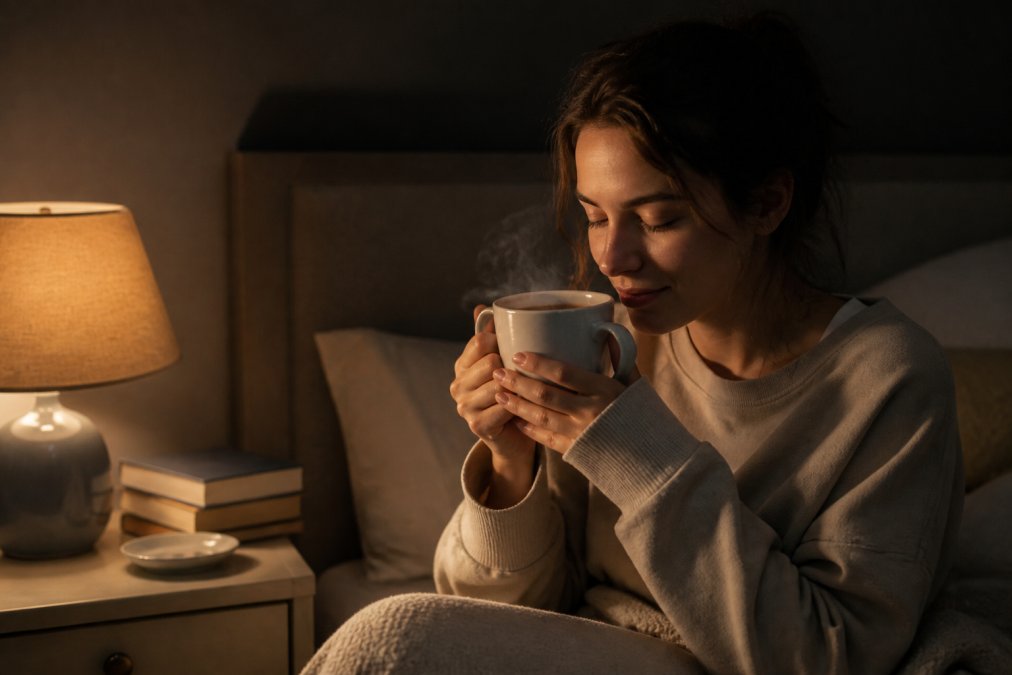
The way you brew your tea affects both its taste and its effectiveness. Most herbal teas should be steeped in water that is just below boiling, around 200°F, for five to ten minutes. A longer steep extracts more of the active compounds, but it also releases more bitterness, particularly from valerian root. Covering your cup while steeping prevents the volatile oils in herbs like lavender from escaping into the air.
Timing matters more than most people realize. Drink your tea roughly 45 to 60 minutes before you plan to sleep. This allows the compounds to take effect while leaving enough time to use the bathroom before bed. Drinking a large volume of fluid too close to bedtime can disrupt sleep through frequent nighttime urination, which is a counterproductive trade-off.
The temperature of the tea also plays a role. A warm beverage raises your core body temperature slightly, and the subsequent cooling effect can promote drowsiness. Avoid drinking the tea piping hot, as this can irritate the throat and delay your wind-down. Aim for a comfortable sipping temperature that allows you to drink slowly and mindfully.
How to Manage Stress Naturally 2026: Building a Bedtime Ritual
Learning how to manage stress naturally 2026 is about more than any single product or practice. A bedtime ritual that combines herbal tea with other calming activities creates a powerful signal for your nervous system. The tea is the anchor, but the ritual around it matters just as much.
The Unique Angle: Personalized Tea Blending for Synergy
Most guides list single herbs and tell you to pick one. This ignores the reality that sleep difficulties are rarely one-dimensional. You might have trouble falling asleep due to a racing mind, but you also wake up at 3:00 AM with muscle tension. A single herb cannot address both. The more sophisticated approach is to build a personalized blend that targets your specific sleep profile.
Here is how to think about combining herbs for synergistic effects, rather than just drinking a random 'sleepy time' mix:
- For the Racing Mind (Cognitive Hyperarousal): Your primary herb should be passionflower. It is one of the most effective botanicals for quieting repetitive thoughts because it appears to boost GABA levels in the brain, which is the neurotransmitter responsible for turning down the volume on neural 'chatter.' Pair it with a smaller amount of lemon balm, which has a gentle calming effect on the nervous system and can help ease the physical tension that accompanies an anxious mind.
- For Physical Tension (Somatic Hyperarousal): If your body feels tight and restless, chamomile is your base. Its apigenin content acts as a mild muscle relaxant. To enhance this, add a small pinch of lavender flowers. Lavender's aromatic compounds, primarily linalool, are absorbed through the olfactory system and have a direct calming effect on the amygdala, the brain's fear center. This combination addresses both the physical and emotional components of tension.
- For Middle-of-the-Night Waking: If you fall asleep easily but wake up at 2:00 AM, you need a herb with more sedative staying power. Valerian root is the primary choice here. However, valerian alone can be harsh. A more effective blend combines valerian with a smaller amount of chamomile to soften its edge and hops (the same plant used in beer), which contains a compound called 2-methyl-3-buten-2-ol that has a mild hypnotic effect. This trio is designed to help you not only fall back asleep but also stay asleep.
A Simple Blending Formula
A practical ratio for a custom blend is 2 parts base herb, 1 part secondary herb, and 1/2 part aromatic herb. For example, for a 'Racing Mind' blend, you would use 2 tablespoons of passionflower, 1 tablespoon of lemon balm, and 1/2 tablespoon of lavender. Mix these dried herbs together and store them in an airtight jar. Use 1 to 2 teaspoons of the mixture per cup of hot water.
The Ritual Beyond the Cup
The tea is the anchor, but the ritual around it matters just as much. A simple evening routine might look like this: dim the lights in your bedroom, brew your tea, and sit comfortably while it steeps. As you drink, avoid screens and instead read a book, journal, or practice gentle stretching. This sequence trains your body to associate the tea with the transition to sleep. Over time, the ritual itself becomes a conditioned cue for relaxation.
Herbal supplements can complement this routine for those who need additional support. A capsule formula containing valerian, chamomile, and lemon balm offers a more concentrated dose than tea. JordanWellnessCo stocks a Sleep Wellness Formula with Valerian, Chamomile, and GABA capsule that pairs well with a nightly tea habit, as well as a Sleepy Time Tincture for both kids and adults that delivers herbs in liquid form.
The most effective approach to stress management combines multiple strategies. Tea addresses the immediate feeling of tension, while consistent sleep timing, regular exercise, and mindfulness practices address the underlying causes of stress. No single herb or product replaces these foundational habits, but they can make the process noticeably easier.
Your Next Step to Restorative Sleep
The honest answer to whether herbal tea is good for sleep is that it can be, when used thoughtfully. The herbs themselves offer gentle support for relaxation, and the ritual of brewing and drinking tea reinforces healthy sleep patterns. What herbal tea cannot do is override poor sleep hygiene, chronic stress, or an inconsistent schedule.
Start by choosing one herb that matches your needs, brew it properly, and drink it at the right time. Pay attention to how your body responds over two weeks. If you are not seeing improvement, consider a more concentrated supplement or a blend that combines multiple calming botanicals.
JordanWellnessCo offers a curated selection of sleep support products, from the gentle nighttime Sleep Formula capsule to Snooze Sleep Patches with melatonin and ashwagandha for those who prefer a wearable option. Each is designed to support your journey toward restorative sleep as part of a holistic evening routine. Shop now and find the approach that works for your body.

Frequently Asked Questions
What is the best herbal tea for sleep?
Chamomile is the most studied for its mild sedative effects, thanks to apigenin, which binds to receptors in the brain that promote sleepiness. Valerian root is another strong option, particularly for reducing sleep latency. Many people find a blend of the two, or adding lemon balm or passionflower, works best. Since individual responses vary, try a single-herb tea first for a few nights to see how your body reacts before mixing.
How long before bed should you drink herbal tea?
Aim to finish your cup about 30 to 60 minutes before you plan to sleep. This gives the calming compounds time to take effect. Drinking too close to bedtime increases the chance you will wake up needing the bathroom, which disrupts sleep. Keep the volume small, around 6 to 8 ounces, and choose caffeine-free blends only to avoid interfering with your circadian rhythm.
What tea should you avoid before bed?
Avoid any tea that contains caffeine, including green, black, white, and oolong varieties, as well as many commercial yerba mate blends. Even some "energy" herbal teas contain guarana or other stimulants. Always check the label for caffeine content. Also be cautious with teas that have a strong diuretic effect, like dandelion or hibiscus, since they can increase nighttime bathroom trips and fragment your sleep.
Is valerian root safe to take every night for sleep?
Valerian root is generally well-tolerated for short-term use, typically up to four to six weeks. Some people report vivid dreams, headaches, or stomach upset. It can interact with sedatives, anti-anxiety medications, and alcohol, so check with your pharmacist or doctor before adding it to your routine. If you are pregnant, nursing, or taking other supplements like melatonin, professional guidance is especially important.