

Table of Contents
- What Makes Curated Supplements Different
- How to Choose High-Quality Supplements
- Benefits of Personalized Supplement Plans
- FDA Supplement Regulation Overview
- Why JordanWellnessCo Stands Out for Curated Supplements
- Building Your Personalized Supplement Protocol
- Conclusion
Last Updated: August 15, 2026
What Makes Curated Supplements Different
Curated supplements are specifically selected, vetted, and personalized based on quality standards, bioavailability, and individual health needs, filtering out lower-quality formulations in favor of products with third-party testing, standardized extracts, and evidence-based foundations. A curated selection prioritizes practitioner-grade formulations over consumer-grade alternatives, meaning higher active ingredient concentrations, better absorption rates, and verified sourcing.
Many consumers discover this distinction the hard way: they purchase inexpensive supplements from mass retailers, experience minimal results, and assume supplements don't work. The reality is they were using low-bioavailability formulations. Switching to curated, high-quality supplements often produces noticeably different outcomes within 4-8 weeks.
JordanWellnessCo approaches supplement curation as a core competency, carefully selecting formulations designed for actual therapeutic benefit rather than marketing appeal.
How to Choose High-Quality Supplements
Selecting high-quality supplements requires understanding three critical dimensions: third-party testing and certifications, standardized extract potency, and bioavailability.

Verify Third-Party Testing and Certifications
Third-party testing provides documented proof that what's listed on the label actually exists in the bottle at claimed potency levels. Look for certifications from NSF International, USP (United States Pharmacopeia), or ConsumerLab, which verify ingredient identity and absence of contaminants.
The FDA does not pre-approve supplements before they reach the market but regulates them as foods under the Dietary Supplement Health and Education Act (DSHEA). Third-party testing provides an independent verification layer that protects consumers. A supplement bearing NSF or USP certification has undergone rigorous testing for purity, potency, and contamination screening.
How to verify certifications in practice: Visit the certifying organization's website directly (NSF.org, USP.org, or ConsumerLab.com) and search for the product by name and manufacturer. Legitimate certifications will list the product in their searchable database with a batch or lot number. If a product claims certification but doesn't appear in the official database, that's a significant red flag.
Common certifications and what they verify:
- NSF International: Tests for identity, purity, potency, and contaminants including heavy metals, pesticides, and microbial pathogens.
- USP (United States Pharmacopeia): Verifies strength, quality, purity, and consistency, including dissolution rates and manufacturing controls.
- ConsumerLab: Conducts independent testing and publishes results publicly, verifying label accuracy and screening for contaminants.
Check for Standardized Extracts and Bioavailability
Standardized extracts ensure consistent potency across batches. A standardized ginkgo biloba extract might guarantee 24% ginkgo flavone glycosides, meaning every dose delivers the same amount of active ingredient.
Bioavailability refers to how effectively your body absorbs and utilizes a supplement. Two products with identical ingredients at identical doses can have dramatically different bioavailability depending on formulation, particle size, and delivery mechanism. Look for language like "standardized extract," "chelated," "liposomal," or "micronized" on the label, indicating bioavailability optimization.
Bioavailability enhancement technologies: Practitioner-grade supplements often use delivery systems that enhance absorption by 30-50% compared to standard formulations:
- Liposomal encapsulation: Wraps active ingredients in lipid molecules, improving absorption through the digestive tract.
- Micronization: Reduces particle size to increase surface area for faster dissolution and absorption.
- Chelation: Binds minerals to amino acids, improving absorption and reducing gastrointestinal upset.
- Emulsification: Breaks down fat-soluble nutrients into smaller droplets for better dispersion in water-based digestive environments.
Create a Quick Vetting Checklist
When evaluating a supplement, use this framework:
- Third-party testing: Does the label display a certification mark from NSF, USP, or ConsumerLab? Can you verify it on their website?
- Standardization: Does the label specify standardized extract percentages or just raw material weight?
- Bioavailability: Are absorption-enhancing technologies mentioned?
- Sourcing transparency: Does the label or manufacturer website specify where raw material is sourced?
- Ingredient clarity: Are all active and inactive ingredients listed with amounts?
- Manufacturer reputation: Is the manufacturer established, and do they publish third-party testing results publicly?
Products meeting 4 or more criteria are likely high-quality formulations worth your investment.
Benefits of Personalized Supplement Plans
A personalized supplement protocol is built around your specific health goals, current nutritional status, existing medications, and lifestyle factors. Rather than taking a generic multivitamin designed for "everyone," personalized plans target your actual gaps and support your unique wellness trajectory.
Personalized protocols reduce waste, improve consistency, and amplify results because each supplement works synergistically with the others. Many people experience improved energy, mental clarity, or physical recovery within the first month of starting a personalized protocol.
Building a personalized protocol requires baseline assessment: evaluating your current diet, identifying nutritional gaps, understanding your health goals, and reviewing medications or supplements you're currently taking to avoid contraindications.
FDA Supplement Regulation Overview
The FDA regulates dietary supplements under the Dietary Supplement Health and Education Act (DSHEA), which established a regulatory framework distinct from pharmaceutical drugs. Understanding this framework helps you evaluate supplement quality and identify potential interactions between supplements and medications.
How DSHEA Shapes Supplement Safety
Under DSHEA, manufacturers are responsible for ensuring supplements are safe and that label claims are truthful and not misleading. The FDA does not pre-approve supplements before they're marketed but monitors the market for safety issues and can take action if a product is unsafe or claims are unsubstantiated.
Supplements cannot claim to diagnose, prevent, treat, or cure disease. This is why labels use phrases like "supports healthy immune function" rather than "boosts immunity." The FDA requires ingredient lists, supplement facts panels showing amounts per serving, and applicable warnings. If a supplement contains an ingredient the FDA determines to be unsafe, the agency can remove it from the market.
For consumers, the key takeaway is that DSHEA places responsibility on manufacturers to ensure safety, which is why third-party testing and certifications become essential.
Understanding Common Drug-Supplement Interactions
Supplement-drug interactions are less systematically catalogued than pharmaceutical interactions but equally important for safety.
Common high-risk interactions:
-
Grapefruit and grapefruit seed extract interfere with cytochrome P450 enzymes, affecting how your body metabolizes statins, blood pressure medications, immunosuppressants, and antihistamines.
-
Vitamin K and warfarin (Coumadin): High-dose vitamin K can reduce warfarin's effectiveness. Maintain consistent vitamin K intake and discuss supplementation with your prescribing physician.
-
St. John's Wort and SSRIs or birth control: St. John's Wort increases medication metabolism, reducing effectiveness of antidepressants and potentially compromising contraceptive effectiveness.
-
Ginger and blood thinners: High-dose ginger supplements can have mild anticoagulant effects. Combined with prescription blood thinners, this increases bleeding risk.
-
Magnesium and bisphosphonates: Magnesium can bind to bisphosphonate medications in your digestive tract, reducing absorption. Separate by at least 2 hours.
-
Iron supplements and certain medications: Iron interferes with absorption of thyroid medications, antibiotics, and bisphosphonates. Separate by at least 2 hours.
How to Assess Your Personal Interaction Risk
Before starting any new supplement, especially if you take prescription medications:
- List all current medications and supplements with dosages and frequency.
- Research the supplement: Check the label for warnings and visit the National Institutes of Health's Office of Dietary Supplements website (ods.od.nih.gov).
- Discuss with your healthcare provider or pharmacist: Your pharmacist can flag risks using comprehensive drug-supplement interaction databases.
- Start with lower doses: Begin with the lowest recommended dose for 1-2 weeks before increasing to full dose.
- Monitor for changes: Pay attention to changes in medication effectiveness or unexpected symptoms and report them to your healthcare provider.
The FDA operates MedWatch, where consumers can report adverse events related to supplements at fda.gov/medwatch. These reports help identify emerging safety concerns.

Why JordanWellnessCo Stands Out for Curated Supplements
JordanWellnessCo treats supplement curation as a core competency, carefully selecting formulations with documented bioavailability, third-party testing, and evidence-based foundations. Rather than stocking thousands of generic options, the platform maintains a focused selection of high-quality formulations, reducing decision paralysis while ensuring everything meets rigorous quality thresholds.
The platform positions itself as a one-stop wellness destination, meaning you can source supplements alongside fitness gear, skincare, and self-care essentials. This integration matters because supplement protocols work best when supported by complementary lifestyle practices.
Resources like A Woman's Guide to Vitamins, Herbs, and Supplements provide educational context for understanding supplement selection, helping you make informed decisions about which formulations align with your health goals.
Building Your Personalized Supplement Protocol
Creating a personalized supplement protocol begins with clarity about your primary health goal. Are you supporting energy and recovery? Addressing hormonal balance? Supporting immune function? Improving sleep quality?
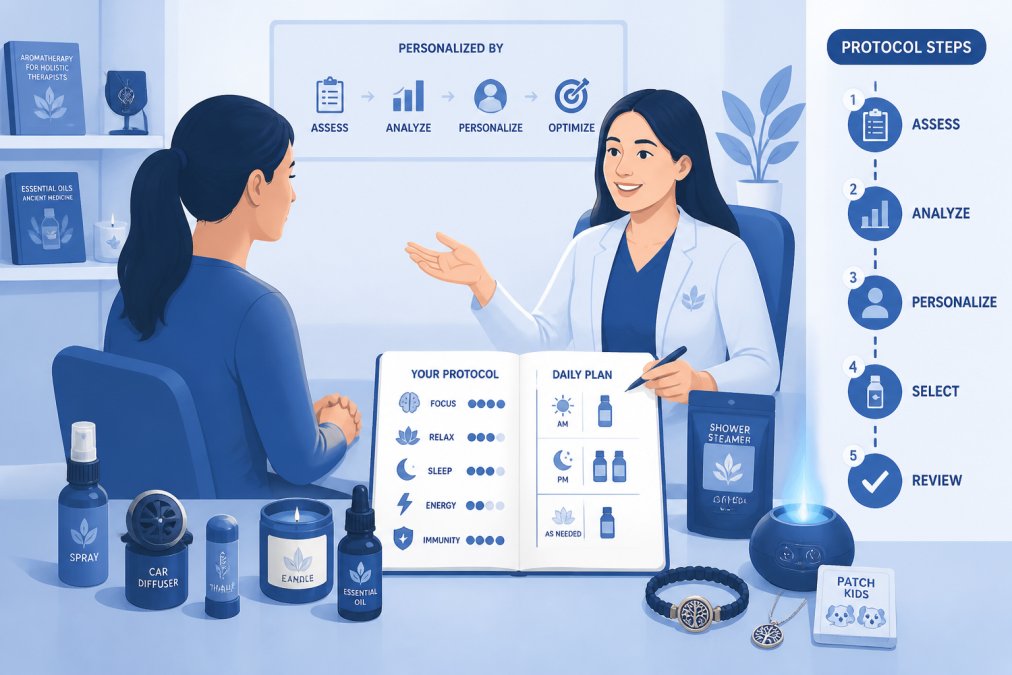
Once you've identified your goal, assess your current diet. If you rarely eat fatty fish, omega-3 supplementation makes sense. If your diet is low in leafy greens, magnesium support may be valuable. This assessment prevents redundancy and targets actual needs.
Evaluate potential contraindications. If you're taking medications, certain supplements can interact. This is where professional guidance becomes valuable, a practitioner can review your medications and identify which supplements are safe to combine.
Build your protocol with 3-5 core supplements rather than 10-15. A focused protocol is easier to maintain, less expensive, and typically more effective. Common core supplements include a high-quality multivitamin, omega-3 fatty acids, and vitamin D, then add targeted support based on your specific goal.
Implement gradually. Start with one or two supplements, assess how you feel after 2-3 weeks, then add additional components if desired. After 6-8 weeks, you'll have clear data about whether your protocol is delivering results.
| Protocol Component | Timeline | Frequency | Assessment |
|---|---|---|---|
| Baseline assessment | Week 1 | One-time | Identify nutritional gaps and goals |
| Initial protocol | Weeks 2-4 | Daily | Observe tolerance and early changes |
| Protocol expansion | Weeks 5-8 | Daily | Add targeted supplements if desired |
| Results evaluation | Week 8-12 | Monthly check-in | Assess effectiveness and adjust |
| Maintenance phase | Ongoing | Daily | Continue effective supplements |
Resources like Herbal Hormone Handbook for Women provide detailed guidance on building protocols for specific health concerns, including 41 natural remedies and lifestyle enhancements that support hormonal balance and reduce anxiety.
Building a personalized supplement protocol transforms supplementation from guesswork into a targeted wellness strategy. Start with clarity about your goal, verify supplement quality through third-party testing and standardized extracts, and implement gradually so you can track what actually works for your unique body and lifestyle.
At JordanWellnessCo, true wellness is about quality of formulations and alignment with your actual health needs. Explore our curated supplement selection and educational resources to build a protocol that delivers measurable results. Shop now and start your personalized wellness journey today.
Frequently Asked Questions
What should I look for when choosing a curated supplement provider?
Look for providers that offer third-party testing, transparent sourcing, and practitioner-grade formulations. Verify they follow FDA guidelines for supplement manufacturing. Check whether they provide personalized recommendations based on your health goals, not just generic product lists. Reputable providers clearly disclose ingredient sourcing, bioavailability data, and any contraindications with medications or other supplements.
How do I verify the quality and purity of holistic supplements?
Request documentation of third-party testing results from independent labs. Look for certifications from organizations like NSF International or USP (United States Pharmacopeia). Check ingredient labels for standardized extracts and bioavailable forms. Avoid products making unsubstantiated health claims. Ask your provider about their quality control processes and whether they test for contaminants, heavy metals, and microbial pathogens.
What are the benefits of using professional-grade supplement brands?
Professional-grade supplements typically contain higher potency, better bioavailability, and more rigorous quality testing than retail alternatives. They use standardized extracts and therapeutic dosages designed by practitioners. These formulations often address specific health concerns through evidence-based combinations rather than generic wellness blends. Professional-grade options minimize fillers and unnecessary additives, making them more effective for targeted therapeutic approaches.
How can personalized supplement plans improve my wellness outcomes?
Personalized plans address your specific health goals, contraindications, and nutrient gaps rather than relying on one-size-fits-all recommendations. A tailored protocol considers your current medications, dietary restrictions, and existing conditions to prevent interactions. This targeted approach maximizes efficacy, reduces unnecessary supplementation, and supports your body's natural healing processes. Regular assessment and adjustment ensure your plan evolves with your changing health needs.
Are online supplement dispensaries as reliable as holistic clinics?
Reputable online dispensaries can be equally reliable if they maintain practitioner-grade standards, third-party testing, and transparent sourcing. However, the key difference is personalization. Clinics offer direct practitioner consultation to assess contraindications and create custom protocols. Online providers that offer consultation services bridge this gap. Always verify credentials, certifications, and whether a licensed practitioner reviews your supplement selections before purchase.
This article was written using GrandRanker


