

Table of Contents
- Master Skill Practice and Movement Repetition
- Build Your Athletic Performance Training Plan
- Develop Sport-Specific Strength and Conditioning
- Optimize Sports Nutrition for Athletes
- Prioritize Athlete Recovery and Sleep
- Use Natural Supplements for Athletic Performance
- Enhance Mobility, Coordination, and Mental Toughness
- Measure Progress and Stay Committed
- Frequently Asked Questions
Last Updated: October 8, 2026
Master Skill Practice and Movement Repetition
To maximize athletic performance naturally, the foundation rests on one simple principle: repetition builds mastery. When you repeat a skill correctly, your nervous system learns the movement pattern. Your muscles develop the exact strength needed for that specific action. Over time, what felt awkward becomes automatic.
This is where most athletes start their journey to maximize athletic performance naturally. They focus on doing the movement over and over. But repetition alone isn't enough. The quality of each rep matters more than the quantity.
Sport-specific skill practice means drilling the exact movements you'll use in competition. A basketball player doesn't just shoot free throws randomly. They shoot from the same spot, at the same angle, with the same footwork every single time. A sprinter doesn't just run fast.
Here's what separates good athletes from great ones: they track their movement quality. They film themselves. They notice when their form breaks down. They fix it immediately, not after 100 more bad reps.
Start with these steps:
- Choose one skill you want to improve
- Practice it 3-5 times per week for 20-30 minutes
- Record yourself to check your form
- Make small adjustments each session
- Track your progress week to week
The magic happens when repetition becomes automatic. Your body stops thinking about the movement and just executes it. That's when performance jumps.
Build Your Athletic Performance Training Plan
Your training plan is the roadmap that connects daily effort to long-term results. Without it, you're just exercising. With it, every workout moves you closer to your goal.
A solid athletic performance training plan has three parts: strength work, sport-specific practice, and recovery. Each one serves a different purpose. Together, they create the conditions for improvement.
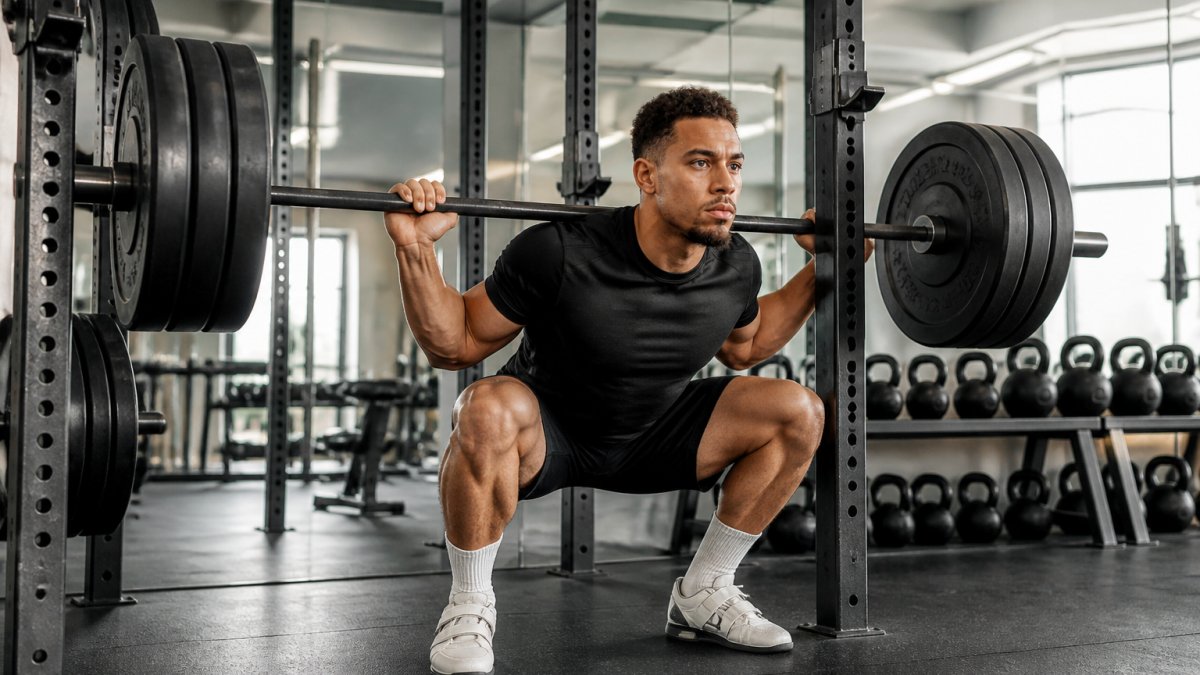
Start by defining what success looks like. Do you want to run faster? Jump higher? Throw farther? Be more powerful? Your goal determines everything else. A sprinter's plan looks completely different from a soccer player's plan.
Then build your weekly structure. Most athletes train 4-6 days per week. Here's a sample framework:
- Monday: Lower body strength + sport-specific drill
- Tuesday: Upper body strength + conditioning
- Wednesday: Rest or light activity
- Thursday: Lower body strength + sport-specific drill
- Friday: Upper body strength + conditioning
- Saturday: Sport-specific practice or competition
- Sunday: Rest and recovery
The key is consistency. The same plan done faithfully for 12 weeks beats a perfect plan done sporadically. Your body adapts to what you actually do, not what you plan to do.
At JordanWellnessCo, we recommend tracking your workouts. Write down what you did, how many reps, what weight you used. When you see progress on paper, it motivates you to keep going. Progress is the fuel that keeps athletes committed.
Develop Sport-Specific Strength and Conditioning
Generic strength training makes you generally stronger. Sport-specific strength makes you better at your sport. The difference matters.
Sport-specific training targets the exact muscles and movement patterns your sport demands. A tennis player needs explosive rotational power. A swimmer needs pulling strength and shoulder stability. A football player needs lower body power and core stability. Each sport has different demands.
Conditioning means building the energy systems your sport uses. A sprinter's conditioning is completely different from a marathoner's. A basketball player needs to sprint repeatedly with short rests. A baseball pitcher needs explosive power with long rests between efforts. Match your conditioning to your sport's demands.
Here's how to build sport-specific strength and conditioning:
- Analyze what your sport requires (speed, power, endurance, or a mix)
- Choose exercises that mimic those demands
- Train the energy systems you'll use in competition
- Progress gradually to avoid injury
- Test yourself monthly to measure improvement
Pillar strength, the strength of your core, hips, and shoulders, matters for every sport. These areas stabilize your body and transfer power from your lower body to your upper body. Weak pillars limit your potential, no matter how strong your limbs are.
Strength training should happen 2-3 times per week. More than that doesn't help most athletes. Less than that doesn't build enough strength. The sweet spot is consistency over intensity.
Optimize Sports Nutrition for Athletes
Food is fuel, but it's also a tool. What you eat before, during, and after training directly affects your performance and recovery.
Most athletes make one of two mistakes: they either eat too little and underperform, or they eat the wrong things and feel sluggish. The goal is to eat the right amount of the right foods at the right time.
Here's the basic framework:
- Eat protein at every meal (supports muscle building and recovery)
- Eat carbs before and after training (fuels your workout and replenishes energy)
- Eat healthy fats throughout the day (supports hormone production and overall health)
- Drink water consistently (even mild dehydration hurts performance)
Before training, eat a meal 2-3 hours before if it's large, or a snack 30-60 minutes before if it's small. Include carbs and some protein.
After training, eat within 30-60 minutes. Include protein to start muscle repair and carbs to replenish energy. This is when your body is primed to absorb nutrients and rebuild stronger.
Hydration is the most overlooked nutrition factor. Losing just 2% of your body weight in water hurts your performance. You feel weaker, slower, and less coordinated. Drink water throughout the day, not just during training.
The Academy of Nutrition and Dietetics provides evidence-based nutrition guidance for athletes. Their recommendations focus on whole foods, proper timing, and individual needs, not supplements or extreme diets.
Prioritize Athlete Recovery and Sleep
Recovery is where the actual improvement happens. During training, you break down muscle fibers and deplete energy stores. During recovery, your body rebuilds those fibers stronger and restores energy.
Sleep is the most powerful recovery tool available. It's free, it's legal, and it works. Most athletes need 7-9 hours per night. Some need more. Your performance will tell you if you're getting enough. If you're sluggish, weak, or unmotivated, sleep is usually the problem.
Creatine Monohydrate (Unflavored) →
Here's what sleep does for athletic performance:
- Rebuilds muscle tissue damaged during training
- Restores your nervous system (improves coordination and decision-making)
- Regulates hormones (affects strength, speed, and mood)
- Consolidates memory (helps you learn new skills)
- Boosts immune function (keeps you healthy for consistent training)
Create a sleep routine. Go to bed at the same time each night. Wake up at the same time each morning, even on weekends. Keep your bedroom cool, dark, and quiet. Avoid screens 30-60 minutes before bed. These habits signal your body that it's time to sleep.
Recovery also means managing training load. You can't go all-out every single day. Your body needs easier days to adapt. A common structure is 2-3 hard days followed by 1 easier day. The easier days keep you fresh and prevent overtraining.
Active recovery, light movement like walking, easy swimming, or gentle stretching, helps blood flow and reduces soreness without adding stress to your body.
Use Natural Supplements for Athletic Performance
Supplements are tools, not magic. They can help, but only if you already have the basics right: training, nutrition, sleep, and consistency.
The most researched supplements for athletic performance are creatine, protein powder, and electrolytes. These have strong evidence behind them. Many others have weak evidence or no evidence at all.

Creatine monohydrate supports muscle strength and power. It works by increasing the energy available to your muscles during high-intensity efforts. It's safe, affordable, and effective. Our Creatine Monohydrate (Unflavored) provides the most researched form at 250g per container.
Protein powder helps you hit your daily protein target when whole food isn't convenient. Whey protein isolate is fast-absorbing and complete.
Electrolytes matter if you train hard in heat or sweat heavily. They replace sodium, potassium, and magnesium lost through sweat. Our Total Hydrate Electrolyte Variety Pack provides a balanced mix for proper hydration.
Avoid supplements making extreme claims. If something promises to double your strength or transform your body in weeks, it's marketing, not science. The supplements that actually work do one thing well, not ten things at once.
Enhance Mobility, Coordination, and Mental Toughness
Mobility is your ability to move through a full range of motion with control. Many athletes are strong but stiff. They can't move the way their sport demands. Mobility fixes this.
Stretching and mobility work take 10-15 minutes per day. Do it after training when muscles are warm. Focus on areas that feel tight. For most athletes, that's hips, hamstrings, shoulders, and ankles.
Coordination improves through practice and varied movement. Don't do the exact same workout every single day. Change your movements, change your speeds, change your directions. Your nervous system learns better with variety.
Balance work seems simple but matters more as you get older. Single-leg exercises, balance boards, and unstable surfaces all improve your body's ability to stabilize itself. Better balance means fewer injuries and better performance.
Mental toughness is the ability to push through discomfort and stay focused when things get hard. It's not something you're born with. It's something you build through training.
Here's how to build mental toughness:
- Set specific goals and track progress
- Practice when you're tired, not just when you're fresh
- Embrace discomfort as a sign you're improving
- Visualize success before competition
- Review your performance and learn from mistakes
Confidence comes from knowing you've prepared. When you've done the work, you trust yourself in competition. When you haven't, you doubt yourself. That's the real difference between confident athletes and nervous ones.
Measure Progress and Stay Committed
Progress that you can see keeps you motivated. Progress you can't see leads to doubt and quitting.
Track specific metrics related to your goal. If you want to run faster, time yourself weekly. If you want to jump higher, measure your vertical jump monthly. If you want to be stronger, record your weights and reps. The numbers don't lie.
Here's a simple tracking system:
| Metric | Frequency | How to Track |
|---|---|---|
| Strength (main lifts) | Weekly | Record weight and reps |
| Speed/Power | Every 2 weeks | Time sprints or measure jumps |
| Skill performance | Weekly | Film yourself or count successful reps |
| Body composition | Monthly | Take progress photos or measurements |
| Sleep and recovery | Daily | Use a simple journal or app |
Review your data every month. You should see improvement in at least one area. If you're not improving, something needs to change: your training, your nutrition, your sleep, or your consistency.
Commitment means showing up even when you don't feel like it. Most improvement happens during the workouts you almost skipped. The days you train when you're tired, sore, or unmotivated are the days that separate good athletes from great ones.
Maximizing athletic performance naturally requires patience and consistency. You won't transform in weeks. You will transform in months and years if you stay committed. The training plan, the nutrition, the sleep, and the mental work all matter. JordanWellnessCo supports your journey with supplements like creatine and protein that give you the tools to train with purpose.
Frequently Asked Questions
How can I improve athletic performance naturally without supplements?
Focus on consistent skill practice, sport-specific training, and proper nutrition first. Strength training, mobility work, and adequate sleep form the foundation of natural athletic performance improvement. Movement repetition and training variation build athleticism over time. Hydration and whole-food nutrition support muscle recovery and power development. Mental training and goal setting drive commitment and consistency. Supplements amplify these basics but cannot replace them.
What should a sports nutrition plan look like for athletes?
A sports nutrition plan balances protein intake to support muscle protein synthesis, carbohydrates for training energy, and healthy fats for hormone production. Time protein around workouts to aid recovery. Stay hydrated consistently, not just during exercise. Include whole grains, lean proteins, fruits, and vegetables. Adjust portions based on training load and competition schedule. Consider timing: eat balanced meals 2-3 hours before training, and refuel within 30-60 minutes post-workout with protein and carbs.
How does sleep affect athletic performance?
Sleep is when muscle repair and adaptation happen. During deep sleep, growth hormone peaks, supporting muscle growth and strength gains. Athletes sleeping 7-9 hours per night show better power output, faster reaction times, and improved coordination. Poor sleep increases injury risk and slows recovery from training. Consistent sleep schedule, cool dark bedroom, and avoiding screens 1-2 hours before bed improve sleep quality. Sleep directly impacts mental toughness and decision-making during competition.
What natural supplements actually help athletic performance?
Creatine monohydrate is research-backed for strength and power gains, supporting muscle contractions during intense training. Whey protein isolate aids muscle protein synthesis post-workout. Electrolyte supplementation maintains hydration during extended training or competition. These work best alongside proper training, nutrition, and recovery. Start with one supplement at a time to assess effectiveness. Avoid banned substances; focus on natural options that complement your training plan. Consult a healthcare provider before starting any new supplement regimen.


