

Last Updated: November 21, 2026
Quick Summary
Adults need 13 essential vitamins and roughly a dozen minerals daily for energy, immunity, bone strength, and organ function. Your exact needs for vitamins and minerals shift with age, sex, and diet, so most healthy adults can meet them through a varied diet. Federal dietary reference values set the daily amounts, and each nutrient has a tolerable upper intake level.
- Fat-soluble vitamins A, D, E, and K store in body tissue, while water-soluble B-complex and C flush more quickly.
- Menstruating women need roughly double the iron of men, and women past menopause need less iron but more calcium.
- Adults over 70 need more vitamin D and B12 because skin synthesis and absorption decline with age.
- Stacking a multivitamin with single-nutrient supplements can push total intake past a safe upper limit.
- Calcium and iron bind to certain antibiotics and thyroid medication, reducing absorption.
Table of Contents
- What Vitamins and Minerals Adults Need Every Day
- Daily Intake of Vitamins and Minerals Chart for Adults
- Vitamins and Minerals in Food: Where to Get Them
- What Vitamins Should I Take Daily for a Woman?
- What Vitamins Should I Take Daily for a Man?
- Upper Limits and the Risks of Stacking Supplements
- Choosing a Daily Multivitamin at JordanWellnessCo
- Frequently Asked Questions
What Vitamins and Minerals Adults Need Every Day
Adults need 13 essential vitamins and roughly a dozen minerals daily for energy, immunity, bone strength, and organ function. The tricky part is that "daily" means something different for a 25-year-old woman than it does for a 65-year-old man. The honest answer is that your needs shift with age, sex, and diet.
Vitamins and minerals are micronutrients your body cannot manufacture in sufficient amounts, so they must come from food or supplements. They split into two groups: fat-soluble vitamins (A, D, E, K), which store in body tissue, and water-soluble vitamins (B-complex and C), which your body uses and flushes more quickly.
Here is what most guides get wrong: they hand you one flat list and call it a day. Requirements are not flat. They move with you.
Daily Intake of Vitamins and Minerals Chart for Adults
The chart below summarizes the daily amounts most healthy adults need, based on federal dietary reference values. Use it as a starting map, not a prescription. Amounts are expressed in the units the reference system uses: mcg RAE for vitamin A (retinol activity equivalents), DFE for folate (dietary folate equivalents), and mg or mcg for the rest.
| Nutrient | Women 19-50 | Women 51+ | Men 19-50 | Men 51+ | Pregnancy | Lactation | Tolerable Upper Intake Level (adults) |
|---|---|---|---|---|---|---|---|
| Vitamin A | 700 mcg RAE | 700 mcg RAE | 900 mcg RAE | 900 mcg RAE | 770 mcg RAE | 1,300 mcg RAE | 3,000 mcg RAE (preformed) |
| Vitamin C | 75 mg | 75 mg | 90 mg | 90 mg | 85 mg | 120 mg | 2,000 mg |
| Vitamin D | 15 mcg | 20 mcg | 15 mcg | 20 mcg | 15 mcg | 15 mcg | 100 mcg |
| Vitamin E | 15 mg | 15 mg | 15 mg | 15 mg | 15 mg | 19 mg | 1,000 mg (supplemental) |
| Vitamin K | 90 mcg | 90 mcg | 120 mcg | 120 mcg | 90 mcg | 90 mcg | Not established |
| Thiamin (B1) | 1.1 mg | 1.1 mg | 1.2 mg | 1.2 mg | 1.4 mg | 1.4 mg | Not established |
| Riboflavin (B2) | 1.1 mg | 1.1 mg | 1.3 mg | 1.3 mg | 1.4 mg | 1.6 mg | Not established |
| Niacin (B3) | 14 mg | 14 mg | 16 mg | 16 mg | 18 mg | 17 mg | 35 mg (supplemental) |
| Vitamin B6 | 1.3 mg | 1.5 mg | 1.3 mg | 1.7 mg | 1.9 mg | 2.0 mg | 100 mg |
| Vitamin B12 | 2.4 mcg | 2.4 mcg | 2.4 mcg | 2.4 mcg | 2.6 mcg | 2.8 mcg | Not established |
| Folate | 400 mcg DFE | 400 mcg DFE | 400 mcg DFE | 400 mcg DFE | 600 mcg DFE | 500 mcg DFE | 1,000 mcg (synthetic) |
| Calcium | 1,000 mg | 1,200 mg | 1,000 mg | 1,200 mg | 1,000 mg | 1,000 mg | 2,500 mg (19-50); 2,000 mg (51+) |
| Iron | 18 mg | 8 mg | 8 mg | 8 mg | 27 mg | 9 mg | 45 mg |
| Magnesium | 310-320 mg | 320 mg | 400-420 mg | 420 mg | 350-400 mg | 310-360 mg | 350 mg (supplemental) |
| Zinc | 8 mg | 8 mg | 11 mg | 11 mg | 11 mg | 12 mg | 40 mg |
| Potassium | 2,600 mg | 2,600 mg | 3,400 mg | 3,400 mg | 2,900 mg | 2,800 mg | Not established |
The official source for these figures is the Dietary Guidelines for Americans, which federal agencies update periodically, alongside the National Academies' Dietary Reference Intakes. Values above reflect standard adult recommendations; pregnant and lactating women need more folate and iron, women past menopause need less iron but more calcium, and adults over 70 need more vitamin D and B12 because skin synthesis and absorption decline with age.
A few reading notes make the chart more useful. The tolerable upper intake level is the maximum daily amount considered safe for most adults from all sources combined, food, fortified foods, and supplements, and it is not a target. Where the UL is listed as "supplemental," it applies only to the synthetic or supplemental form, not to food. Where no UL is established, that reflects a lack of evidence of harm at high intakes, not a license to megadose.
Watch out: treating the recommended amount as a minimum to beat and the UL as a ceiling to approach is a common misread, the goal is to land inside the range from ordinary food, not to push toward the top of it.
Vitamins and Minerals in Food: Where to Get Them
Food-first is the right instinct, and most adults can meet their needs through diet alone. The practical challenge is variety, not volume.

Fat-soluble vitamins A, D, E, and K come from fatty sources: salmon, egg yolks, fortified milk, nuts, and leafy greens. Water-soluble B vitamins and C live in whole grains, beans, meat, citrus, and peppers. Minerals like calcium and magnesium concentrate in dairy, seeds, and dark greens.
For a deeper food-by-food breakdown, our guide to foods high in vitamin D and calcium lists practical options you can add to your next grocery run.
What Vitamins Should I Take Daily for a Woman?
Women's needs diverge from men's in two key places: iron and calcium. Menstruating women need roughly double the iron of men, and women face higher osteoporosis risk after menopause, making calcium and vitamin D daily priorities.
Folate matters most for women who may become pregnant, since adequate intake supports early fetal development. B6 and magnesium also support hormonal balance and mood.
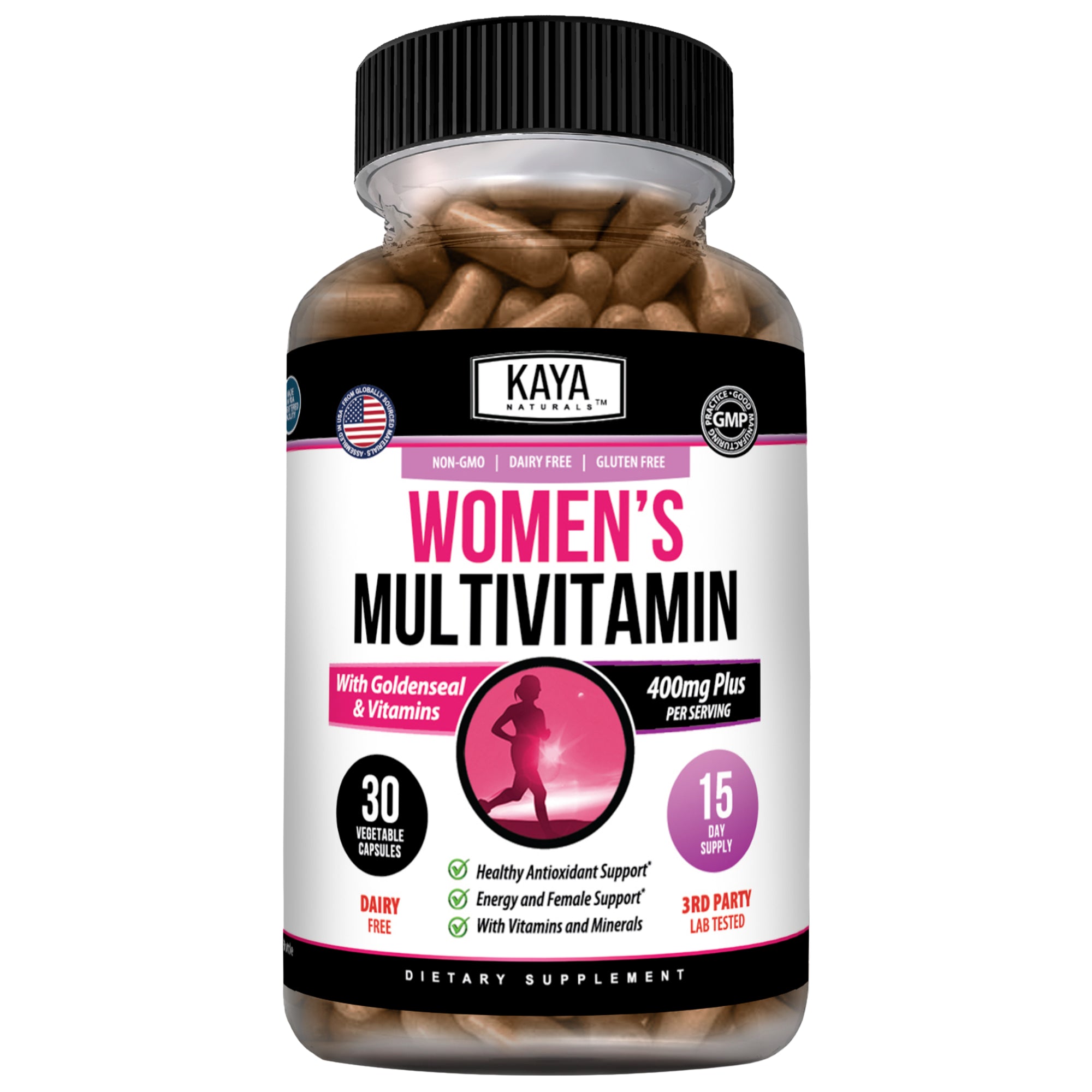
A dedicated women's formula can simplify daily routines. Our women's daily multivitamin is designed as a women's formula; check its label for the amounts of iron and folate it provides.
What Vitamins Should I Take Daily for a Man?
Men's daily needs lean toward zinc, magnesium, and B vitamins. Zinc supports testosterone regulation and immune function, while magnesium plays a role in muscle recovery and heart health.
Iron is the reverse story: men need less because they do not lose iron through menstruation, and excess iron can accumulate. This is why a men's formula is not just marketing packaging.
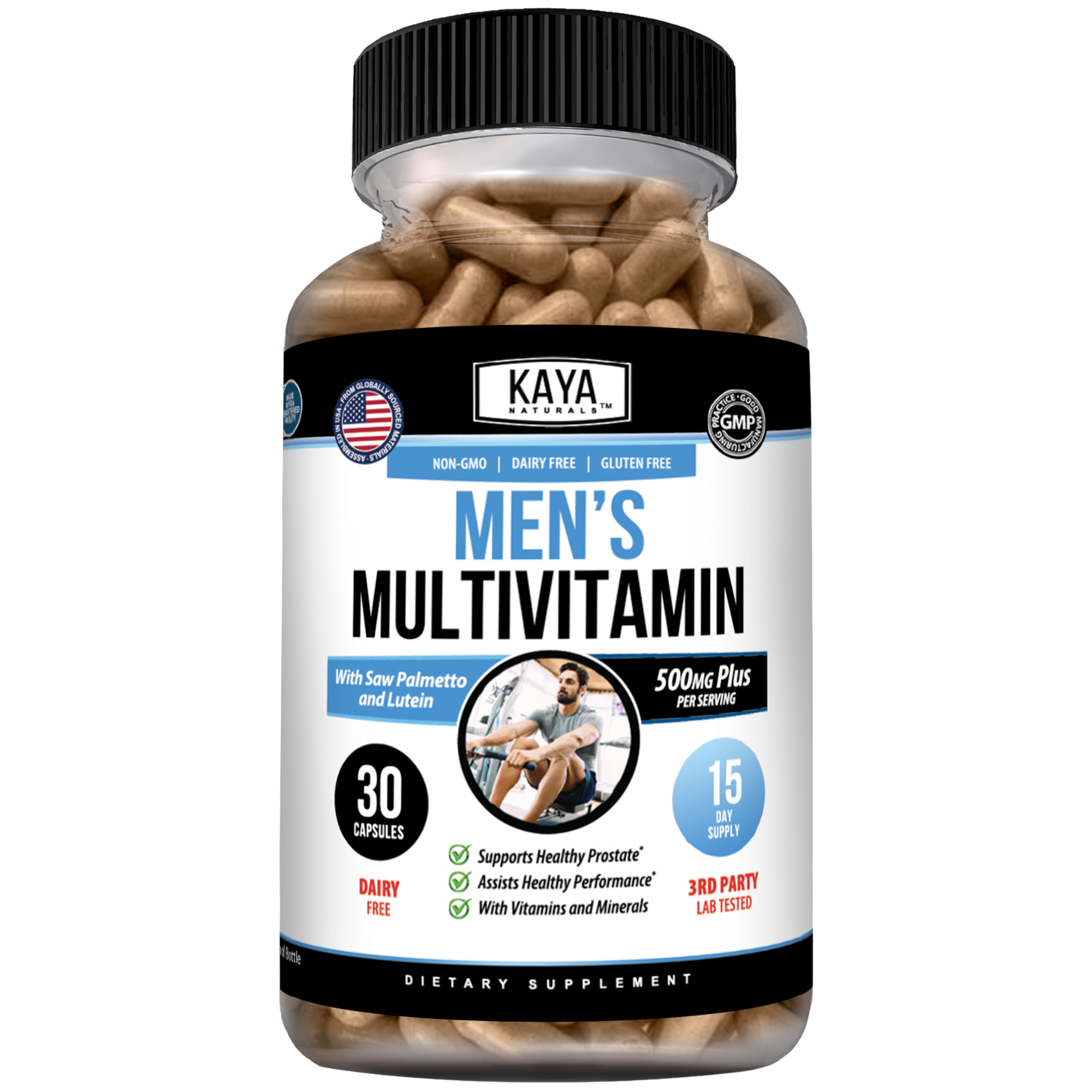
Our men's daily multivitamin is formulated as a men's product; check its label for the amounts of each nutrient.
Upper Limits and the Risks of Stacking Supplements
More is not better, and this is where supplement routines quietly go wrong. Every nutrient has a tolerable upper intake level (UL), the maximum daily amount considered safe for most adults from all sources combined. Exceed it consistently and you invite problems.
Watch out: stacking a multivitamin with single-nutrient supplements can push total intake past a safe limit without you realizing it.
Fat-soluble vitamins A, D, E, and K are the biggest offenders because they store in the body rather than flushing out.
Fortified foods are the hidden contributor. Many cereals, plant milks, protein powders, and energy drinks are fortified with the same nutrients in your multivitamin, so the label on the bottle is not the whole story.
The fix is simple. Read the nutrition facts label and the supplement facts panel on every product you take, add up overlapping nutrients across food and supplements, and keep total intake below the UL. If you take a multivitamin, you likely do not need separate single-dose vitamins on top.
Supplements can also interact with medications in ways that matter more than the UL itself. Calcium and iron bind to certain antibiotics and thyroid medication and reduce absorption; vitamin K can blunt the effect of blood thinners; high-dose vitamin E can increase bleeding risk alongside anticoagulants.
Choosing a Daily Multivitamin at JordanWellnessCo
The best multivitamin is the one you will actually take consistently and that fits your age, sex, and diet. Three things matter most: a broad nutrient profile, bioavailable forms, and a dose that stays within safe limits.
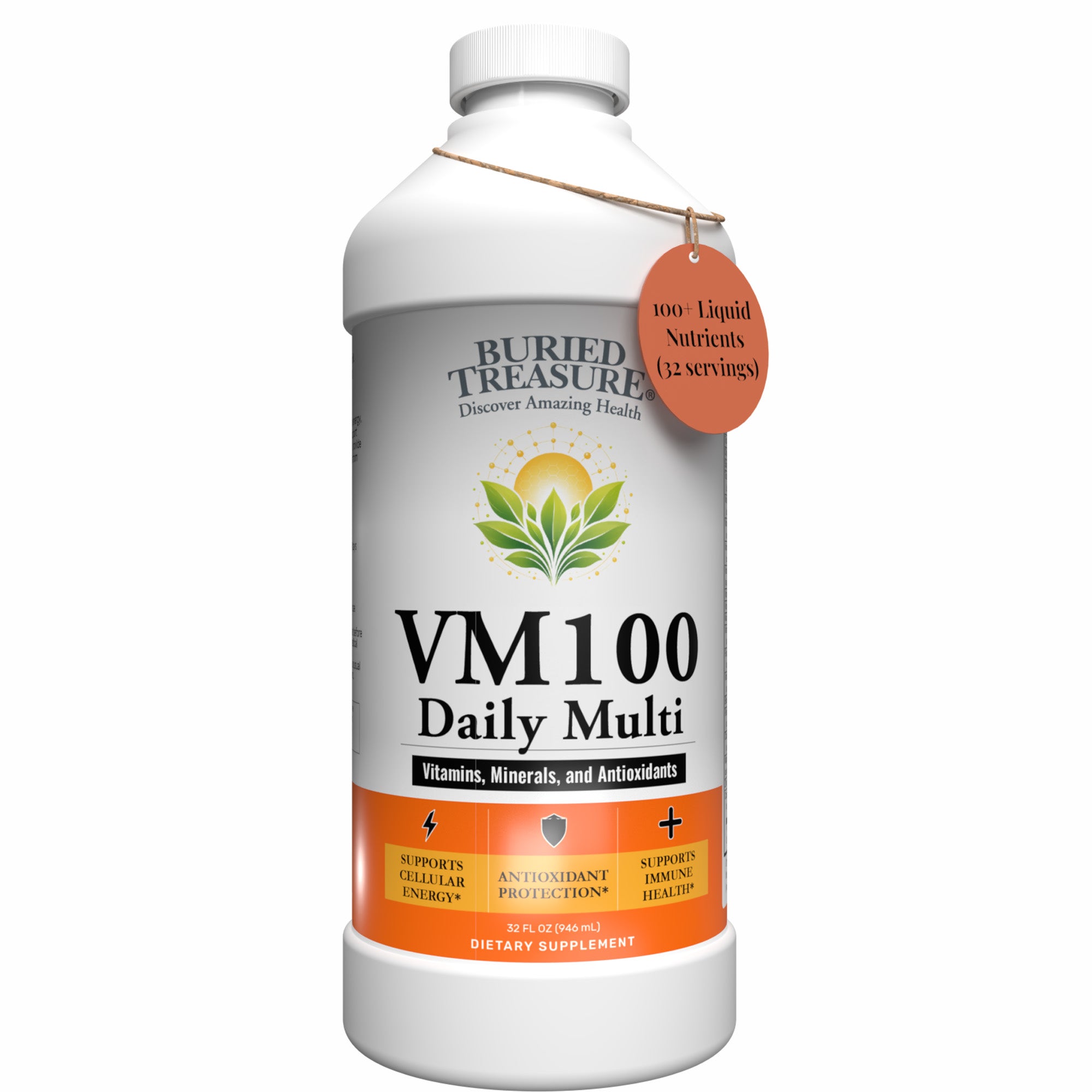
Liquid formulas are an option for anyone who struggles with pills. Our VM100 liquid multivitamin and multimineral supplement contains over 100 nutrients, including methylfolate and methylcobalamin, in a 32 oz bottle. If you want guidance on plant-based options first, read how to choose the best plant-based multivitamin.
A few practical selection criteria:
- Check that the label lists percent daily value for each nutrient
- Prefer methylated B12 and folate for easier absorption
- Confirm the dose stays under upper limits for A, D, and iron
Getting your daily vitamins and minerals right does not require a shelf full of bottles. It requires knowing your numbers, eating with variety, and choosing one well-formulated supplement that fills the real gaps. JordanWellnessCo offers supplements, fitness gear, and self-care essentials in one place. Our liquid multivitamins offer broad nutrient coverage. Get started with JordanWellnessCo and build a daily nutrition routine you can actually keep.
Frequently Asked Questions
What vitamins and minerals do adults need every day?
Adults need 13 essential vitamins (A, C, D, E, K, and the eight B vitamins) plus key minerals including calcium, magnesium, potassium, iron, zinc, iodine, and selenium. The exact daily amount depends on your age, sex, and life stage. The Food and Nutrition Board sets Recommended Dietary Allowances (RDAs) and Adequate Intakes (AIs) for each nutrient, and these figures are what the Daily Value percentages on Nutrition Facts labels are based on.
Can adults get all the vitamins and minerals they need from food?
Many adults can meet most nutrient needs through a varied diet built around vegetables, fruit, whole grains, lean protein, dairy or fortified alternatives, and healthy fats. Some nutrients are harder to get consistently from food alone, particularly vitamin D, which the body makes from sunlight, and vitamin B12 for people who eat little or no animal products. A daily multivitamin can help fill gaps, but it does not replace a balanced diet.
How can I find the daily value of a vitamin or mineral on a label?
Check the Nutrition Facts panel on packaged foods and supplements. The Percent Daily Value (%DV) shows how much one serving contributes toward the daily recommended amount, based on a 2,000-calorie diet. A %DV of 5% or less means the food is low in that nutrient, while 20% or more means it is high. The Daily Values are set by the FDA and are printed on the label alongside each nutrient.
Should adults take a multivitamin every day?
A daily multivitamin can be a reasonable safeguard for adults who struggle to eat a varied diet, but it is not a requirement for everyone. Before adding one, review what you already eat and check whether you take other supplements, since combining products can push certain nutrients past their upper intake level. A liquid multivitamin like Daily Nutrition from JordanWellnessCo is one option for adults who prefer a liquid over pills.
Do vitamin and mineral needs change as you get older?
Yes. Requirements shift across adulthood. Women need more iron during their reproductive years, and needs drop after menopause. Adults over 50 often need more vitamin B12 and vitamin D, and calcium requirements rise for women after 50 and for men after 70. Postmenopausal women also need more vitamin B6. Reviewing your intake every few years helps keep pace with these changes.
What vitamins should women take daily?
Women's needs vary by life stage. Iron is important during reproductive years, folate matters for anyone who could become pregnant, and calcium and vitamin D support bone health, especially after menopause. A women's formula such as the Women's Daily Multivitamin at JordanWellnessCo is one option to consider; check its label for the nutrients it contains. Pair it with iron-rich foods and calcium sources to meet the full recommended amounts.
What vitamins should men take daily?
Men generally need adequate zinc, magnesium, vitamin D, and B vitamins for energy and muscle function. Iron needs are lower for men than for women, so a men's formula typically contains less iron. The Men's Daily Multivitamin at JordanWellnessCo is one option to consider; check its label for its nutrient amounts. Focus on whole foods first, then use a multivitamin to close any gaps in your diet.


