
Last Updated: November 14, 2026
Quick Summary
Foods high in vitamin D and calcium include canned salmon and sardines with edible bones, fortified milk and plant milk, fortified yogurt and cereal, UV-exposed mushrooms, kale, and calcium-set tofu. No single food covers the daily value for both nutrients, so anchor meals with a top-three food and fill gaps with fortified staples.
- Canned sardines with bones give roughly 325 mg calcium and several micrograms of vitamin D per 3 oz.
- Most fluid milk in the U.S. is fortified with vitamin D, landing near 300 mg calcium per cup.
- Spinach's oxalates block calcium absorption, so kale and collards are better plant calcium choices.
- Vitamin D is fat-soluble and generally absorbed better with a meal containing some fat.
- Fortification levels vary by brand, so check the % DV for calcium and vitamin D separately on labels.
Table of Contents
- Foods High in Vitamin D and Calcium: The Quick Comparison
- Dairy Foods That Deliver Both Nutrients
- Fish, Seafood, and Canned Fish With Edible Bones
- Vitamin D and Calcium Foods for Vegetarians
- Foods High in Calcium and Vitamin D for Osteoporosis Support
- Calcium and Vitamin D Rich Foods for Adults: Building a Daily Plate
- Fortified Foods, Absorption, and Label Reading
- When Food Falls Short: Choosing a D3 and K2 Supplement
- Frequently Asked Questions
Foods High in Vitamin D and Calcium: The Quick Comparison
Most people chasing stronger bones focus on one nutrient and forget the other. That is the mistake. Vitamin D and calcium work as a pair: calcium builds the structure, and vitamin D controls how much of it your body actually absorbs.
A common question is which foods deliver both at once? Below is a ranked, practical list, with amounts per serving and meal ideas you can use this week. Keep reading because the difference between a food that lists calcium and a food that helps you absorb it changes the whole plate.
How to Read the Numbers per Serving
Every figure here is per standard serving, not per package. Calcium is measured in milligrams (mg) and vitamin D in micrograms (mcg), and the daily value for calcium sits at 1,300 mg for adults while vitamin D sits at 20 mcg, per FDA daily value reference. A food can be calcium-rich and vitamin D-poor, or the reverse. The rare winners do both.
The Ranked List: Foods That Deliver Both Nutrients
This ranking prioritizes foods that contribute meaningful amounts of both calcium and vitamin D in one serving. Fortified products vary by brand, so check the panel.
| Rank | Food (serving) | Calcium | Vitamin D | Why it ranks here |
|---|---|---|---|---|
| 1 | Canned salmon with bones (3 oz) | ~180-210 mg | ~10-13 mcg | Highest vitamin D among common whole foods, plus bioavailable calcium from edible bones |
| 2 | Canned sardines with bones (3 oz) | ~325 mg | ~4-6 mcg | Best calcium-to-D balance in a single serving; ready to eat |
| 3 | Fortified milk (1 cup) | ~300 mg | ~2.5-3 mcg | Everyday staple; reliable D fortification in most fluid milk |
| 4 | Fortified plant milk (1 cup) | ~300-450 mg | ~2.5-3 mcg | Dairy-free option; calcium and D levels vary widely by brand |
| 5 | Fortified yogurt (1 cup) | ~300-400 mg | ~2-3 mcg | Breakfast-friendly; check for D fortification on the label |
| 6 | Fortified cereal (1 cup) | ~100-1,000 mg | ~2 mcg | Fastest way to add both; calcium fortification ranges hugely |
| 7 | UV-exposed mushrooms (1/2 cup) | ~0-10 mg | ~5-10 mcg | Plant-based D source; calcium negligible |
| 8 | Kale, cooked (1 cup) | ~180 mg | 0 mcg | Strong plant calcium; pair with a D source |
| 9 | Tofu set with calcium sulfate (1/2 cup) | ~200-350 mg | 0 mcg | Plant calcium; D must come from elsewhere |
| 10 | Egg yolk (1 large) | ~25 mg | ~1 mcg | Small amounts of both; useful as a topping, not a base |
Treat these as working ranges, not lab-precise labels. Fortification levels differ by brand, so check the panel. The top three are among the few common whole foods that deliver meaningful amounts of both nutrients.
What the Ranking Tells You
No single food covers the daily value for both nutrients in one serving. The practical takeaway is to anchor meals with a top-three food and fill gaps with fortified staples and plant calcium sources. A serving of canned salmon plus a cup of fortified milk gets you close to half the calcium DV and most of the vitamin D DV for the day.
Calcium content per serving of foods high in vitamin D and calcium
Dairy Foods That Deliver Both Nutrients
Dairy is the obvious starting point, and for good reason. Milk, yogurt, and cheese carry calcium in a form your body handles well, and most fluid milk in the U.S. is fortified with vitamin D. One cup of fortified milk lands around 300 mg of calcium and a few micrograms of vitamin D.
Cheese is the weak link in this group. It delivers calcium but almost no vitamin D unless fortified. A common mistake is assuming a cheese-heavy diet covers both nutrients. It does not. Use dairy as your calcium backbone and add a D source elsewhere.
Fish, Seafood, and Canned Fish With Edible Bones
Here is where the list gets interesting. Fatty fish such as salmon, tuna, trout, and mackerel are among the few natural food sources of vitamin D, per NIH vitamin D fact sheet. Canned fish with edible bones, especially sardines and canned salmon, add calcium on top.
A three-ounce serving of canned sardines with bones gives you roughly 325 mg of calcium and several micrograms of vitamin D in one hit. Canned salmon with bones is similar, often higher on D. For most adults, a sardine-toast lunch twice a week is the simplest way to stack both nutrients.
Vitamin D and Calcium Foods for Vegetarians
Plant-based eaters face a genuine gap: vitamin D is scarce in plants. Mushrooms exposed to UV light carry some, and fortified plant milks and cereals help. For calcium, leafy greens lead the way. Kale, collard greens, Chinese cabbage, and broccoli all contribute, though kale and collards beat spinach because spinach's oxalates block absorption.
The practical fix for vegetarians is fortification. Fortified plant-based milk, tofu made with calcium sulfate, and fortified breakfast cereal do the heavy lifting. Eggs, if you eat them, add a little vitamin D through the yolk. Build meals around these and the gap closes.
Foods High in Calcium and Vitamin D for Osteoporosis Support
For anyone watching bone health, food is the foundation and supplements are the backup. Bone health depends on steady calcium and vitamin D intake over time. Consistent intake of the foods on this list supports overall bone health.
Prioritize dairy, canned fish with bones, fortified foods, and leafy greens daily. Pair calcium foods with a D source at the same meal where you can. If you have a diagnosis or a family history, talk to your clinician about testing and targets before self-prescribing.
Calcium and Vitamin D Rich Foods for Adults: Building a Daily Plate
The easiest way to hit both nutrients is to build them into meals you already eat. Aim for a calcium source at every meal and a vitamin D source at least once a day.

A sample day:
- Breakfast: fortified cereal with milk, or yogurt with almonds
- Lunch: sardines or canned salmon on toast with a side of kale
- Dinner: salmon or trout with broccoli and collards
- Snack: fortified plant milk or a handful of calcium-set tofu
That structure covers calcium and vitamin D rich foods for adults without counting every milligram.
Fortified Foods, Absorption, and Label Reading
Fortification is the quiet workhorse of this list. Breakfast cereal, orange juice, plant-based milk, and some breads are fortified with both calcium and vitamin D, which makes them easy wins for busy people. The catch is that levels vary wildly between brands, so read the Nutrition Facts panel and check the percent daily value for each nutrient separately.
How to Read a Label for Both Nutrients
Start with the serving size, because every number on the panel is tied to it. A cereal that lists 1,000 mg of calcium may do so per 1-cup serving, while a competitor lists 130 mg per 1/2-cup serving, the first is not automatically better until you match the serving sizes.
Watch out: a product labeled "good source of calcium" may still contain little or no vitamin D, and vice versa. Treat the two % DV lines as separate targets, not a combined score.
Absorption: Why the Same Amount Isn't the Same Benefit
Calcium absorption depends on the dose and the food matrix. Spreading calcium intake across meals is a common approach to supporting absorption. Some plant foods contain oxalates and phytates that bind calcium and reduce absorption: spinach is high in calcium on paper but delivers far less than kale or collards because of its oxalate content. Tofu set with calcium sulfate is a useful plant calcium source.
Vitamin D is fat-soluble, so it is generally absorbed better when taken with a meal that contains some fat.
Fortified Foods: What to Buy and What to Skip
Fortified plant milks and cereals are the most reliable non-dairy sources of both nutrients, but they are not interchangeable. Fortification levels vary between refrigerated and shelf-stable plant milks, and between brands. Fortified orange juice can add vitamin D and calcium, but it also adds sugar.
If you are browsing options to round out your plate, you can shop the full vitamins and supplements range to compare fortified staples and standalone products. The practical rule: use fortified foods to fill gaps left by whole foods, not to replace them, and read the panel every time you switch brands.
When Food Falls Short: Choosing a D3 and K2 Supplement
Food should come first, but some adults find it hard to meet their needs from food alone. That is where a supplement earns its place. Vitamin D3 is a common form of vitamin D supplementation, and vitamin K2 is often paired with it.
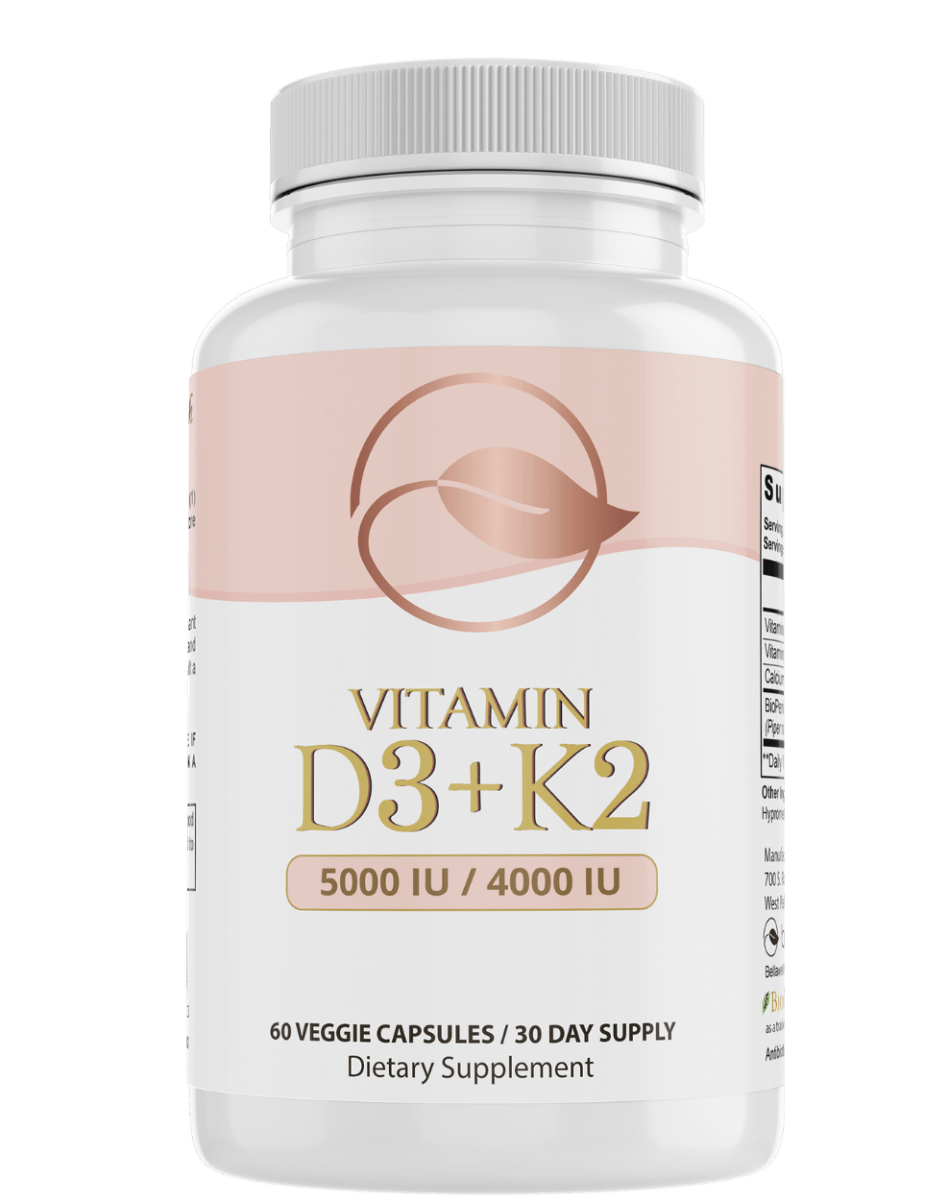
- Vitamin D3 & K2 Sunshine Boost by Bellawell pairs D3 with MK-7 K2 and Bioperine, at $18.99.
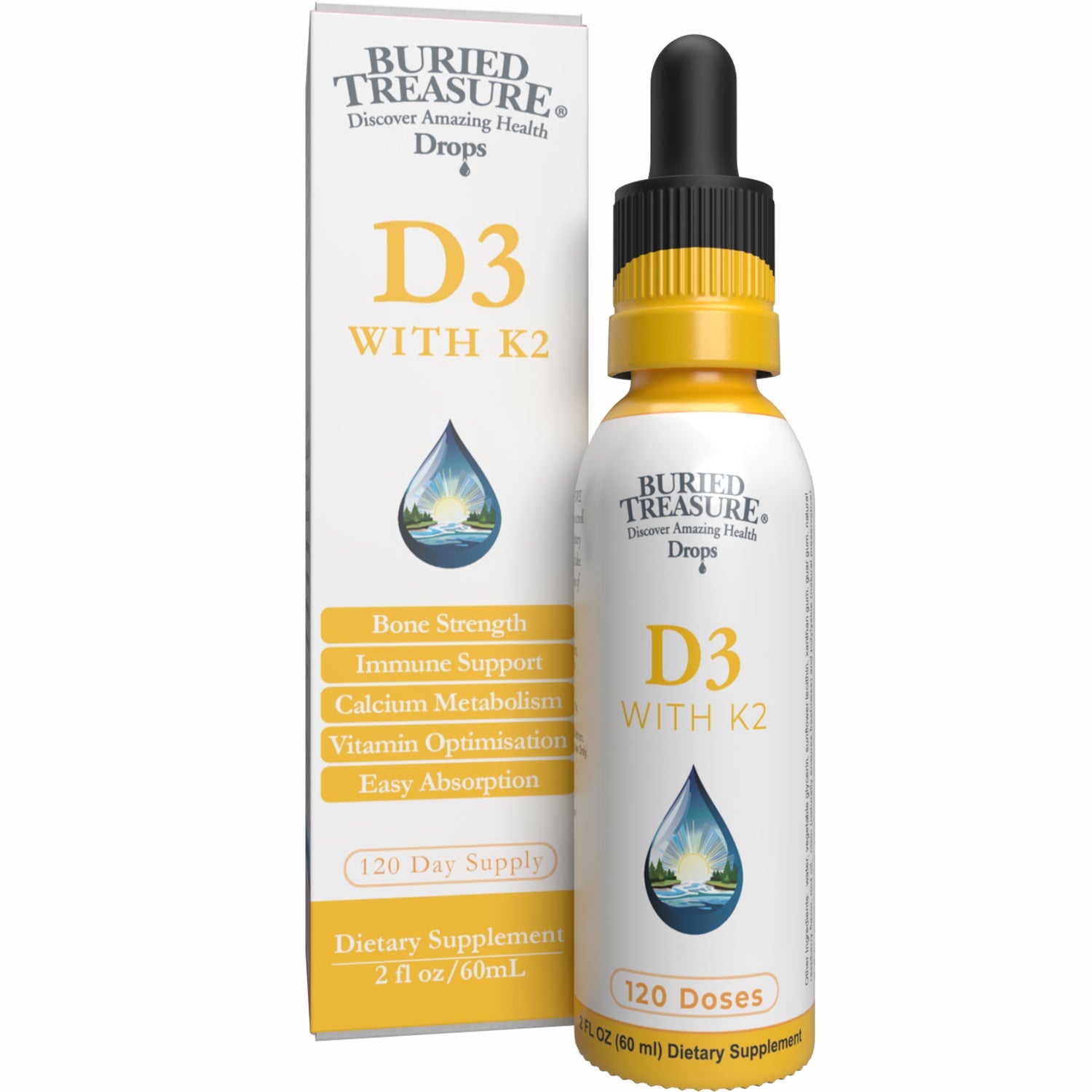
- Buried Treasure D3 + K2 Liquid Drops offer an unflavored MCT oil format at $26.99 for anyone who prefers liquids over pills.
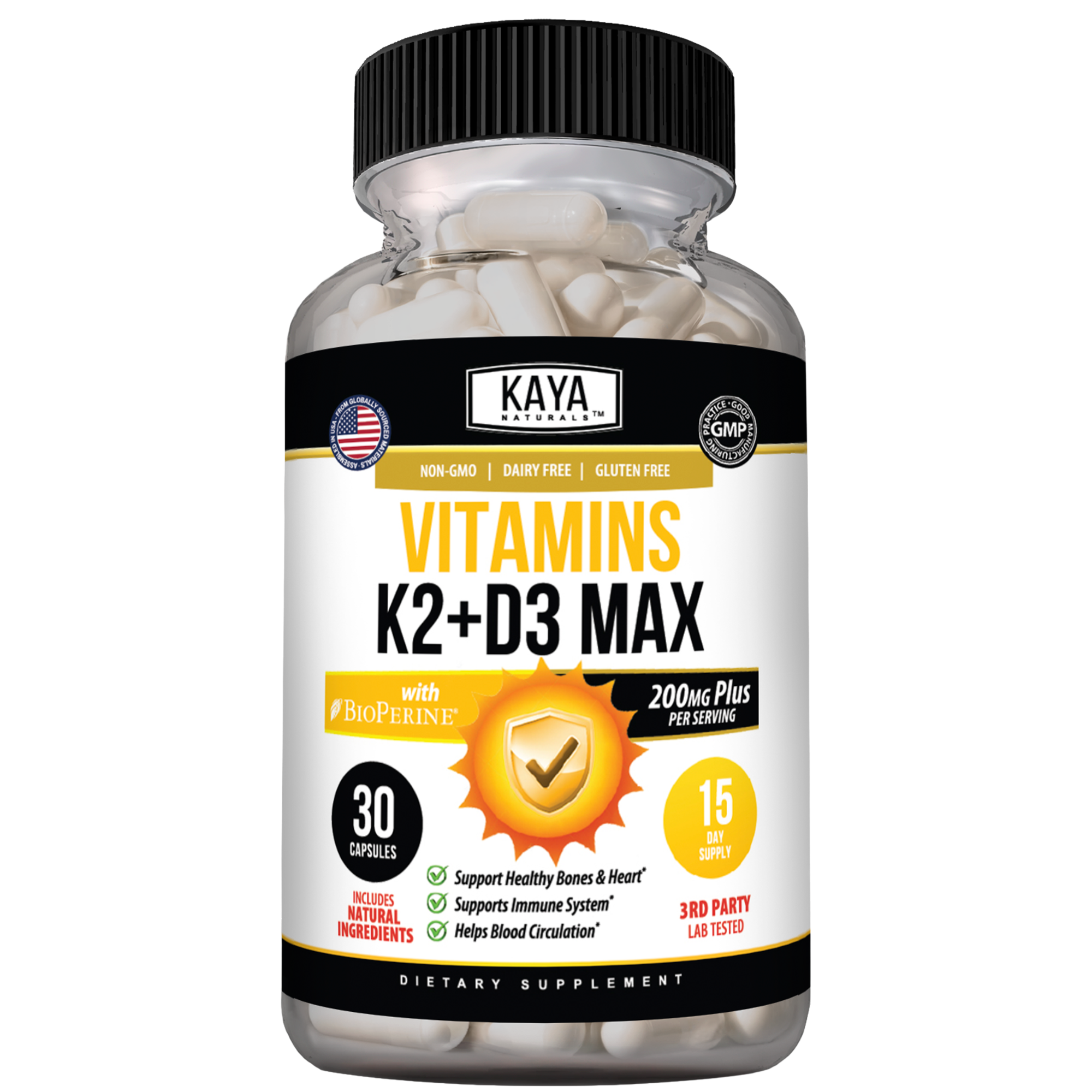
- Vitamin K2 + D3 Max is a duo at $17.99 that combines vitamin K2 and D3.
- Vitamin D-3 5000 IU Softgels suit anyone who wants D3 on its own, 240 count at $25.95.
Watch out: more is not better with vitamin D. High-dose supplements can push levels too high, so check with a clinician before going above standard daily amounts.
Getting calcium and vitamin D right is less about one superfood and more about a plate you repeat.
Frequently Asked Questions
What food has high calcium and vitamin D?
Canned sardines and canned salmon with edible bones are the standout, since the bones supply calcium and the fish supplies vitamin D in the same bite. Fortified milk and fortified plant milks also carry both, and many breakfast cereals are fortified with both nutrients. Plain yogurt and cheese add calcium but usually little vitamin D unless fortified. No single food covers your daily needs, so pair two or three of these across meals rather than relying on one.
Which foods provide both calcium and vitamin D for vegetarians?
Fortified plant milks, fortified breakfast cereals, and fortified orange juice are the most reliable vegetarian sources of both nutrients. Firm tofu set with calcium sulfate adds calcium, and UV-exposed mushrooms supply some vitamin D. Eggs and dairy work if you eat them. For vitamin D and calcium foods for vegetarians, check the label on plant milks, because amounts vary widely between brands and between original and unsweetened versions.
Can you get enough calcium and vitamin D from food alone?
Calcium is realistic through dairy, fortified plant milks, leafy greens, canned fish with bones, and tofu. Vitamin D is harder, because few foods contain much of it and sun exposure varies with season, latitude, and sunscreen use. Many adults fall short on vitamin D from diet alone. A supplement is a common way to close the gap, and a D3 with K2 formula supports calcium absorption and directs it toward bones.
Which foods high in calcium and vitamin D are good for osteoporosis?
Foods high in calcium and vitamin D for osteoporosis include fortified milk and plant milks, yogurt, canned sardines or salmon with bones, calcium-set tofu, and fortified cereals. Consistent intake of calcium and vitamin D from varied foods is a common approach to a balanced diet. Ask your doctor about your individual targets before changing your intake.
Are there fruits rich in calcium and vitamin D?
No fruit is a strong natural source of either nutrient. Fortified orange juice is the main exception, and it can carry meaningful calcium and vitamin D per cup. Figs, oranges, and dried fruit add small amounts of calcium but not enough to count on. If fruit is your main snack, build meals around fortified juice, dairy or fortified plant milk, and canned fish with bones to cover both nutrients.


