Last Updated: November 20, 2026
Quick Summary
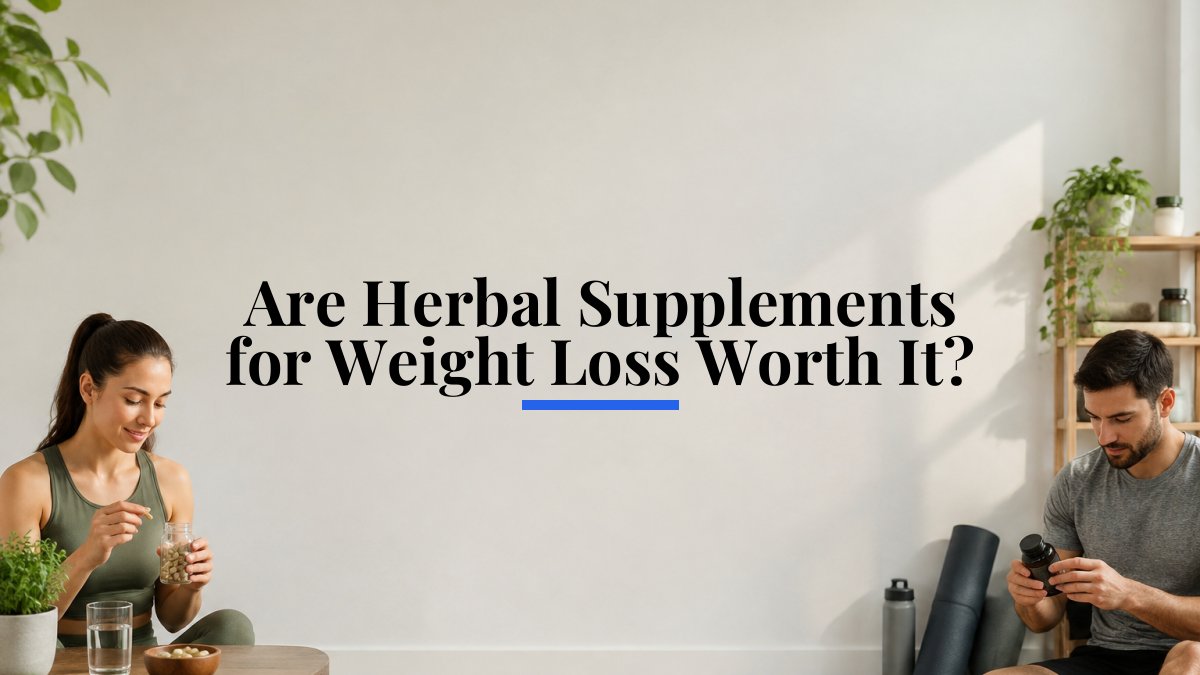
Herbal supplements for weight loss are plant-derived products with mostly modest evidence at best, and the FDA does not review them for effectiveness before sale. No capsule replaces a calorie deficit, so use them only as a small assist alongside diet, activity, and sleep. Quality control is a real concern: a 2026 JAMA Network Open study found many products did not contain the ingredients listed on their labels.
- Green tea extract earns a moderate grade, but most of its small effect tracks back to caffeine.
- Garcinia cambogia has weak evidence, documented liver toxicity case reports, and drug interaction risks.
- Fiber supplements like glucomannan and chitosan work by fullness; separate them from prescriptions by at least two hours.
- No herb targets belly fat specifically, and any product claiming to spot-reduce it is overselling.
- Skip any label with a proprietary blend, since it hides the doses of each ingredient.
Table of Contents
- Herbal Supplements for Weight Loss: What the Evidence Actually Shows
- Natural Weight Loss Supplements Compared: A Quick-Reference Table
- Green Tea, Garcinia Cambogia, Chromium, and Caffeine: Grading the Evidence
- Weight Loss Herbs for Females: What to Know About Hormones and Safety
- Weight Loss Herbs for Belly Fat: What Actually Targets Abdominal Fat
- How to Prepare Herbs for Weight Loss: Teas, Extracts, and Capsules
- Safety, Side Effects, and Drug Interactions You Should Not Ignore
- How to Read a Weight Loss Supplement Label Before You Buy
- Frequently Asked Questions
Herbal Supplements for Weight Loss: What the Evidence Actually Shows
Herbal supplements for weight loss are plant-derived products sold as capsules, teas, or extracts that claim to support weight management through appetite control, metabolism, or fat absorption.
The gap most guides skip is quality control. A 2026 study published in JAMA Network Open found that a large share of herbal supplement products tested did not contain the ingredients listed on their labels in the amounts claimed (JAMA Network Open study on herbal supplement labeling).
Natural Weight Loss Supplements Compared: A Quick-Reference Table
The table below grades the most common natural weight loss supplements by evidence strength and primary safety concern. Use it as a starting map; the sections that follow explain each row.
| Ingredient | Evidence Grade | Realistic Effect | Main Safety Concern |
|---|---|---|---|
| Green tea extract | Moderate | Small, mostly from caffeine | Liver injury at high doses |
| Garcinia cambogia | Weak | Minimal to none | Liver and medication risk |
| Chromium | Weak | Minimal | Low blood sugar with diabetes meds |
| Caffeine and stimulants | Moderate | Small, short-term | Blood pressure, heart rate |
| Berberine | Emerging | Modest metabolic support | Drug interactions |
| Fiber-based (glucomannan, chitosan) | Moderate | Small, via fullness | Bloating, medication absorption |
Green Tea, Garcinia Cambogia, Chromium, and Caffeine: Grading the Evidence
This is where most guides flatten the field and present every herb as equally promising. It is not. The grades below weigh the quality, size, and consistency of human studies, not the enthusiasm of the marketing. A "moderate" grade means multiple randomized controlled trials point the same direction with a small effect; "weak" means the better-controlled trials failed to confirm early promise; "emerging" means the biology is plausible and small trials are interesting but the human evidence is not yet settled.
Green Tea and Green Tea Extract
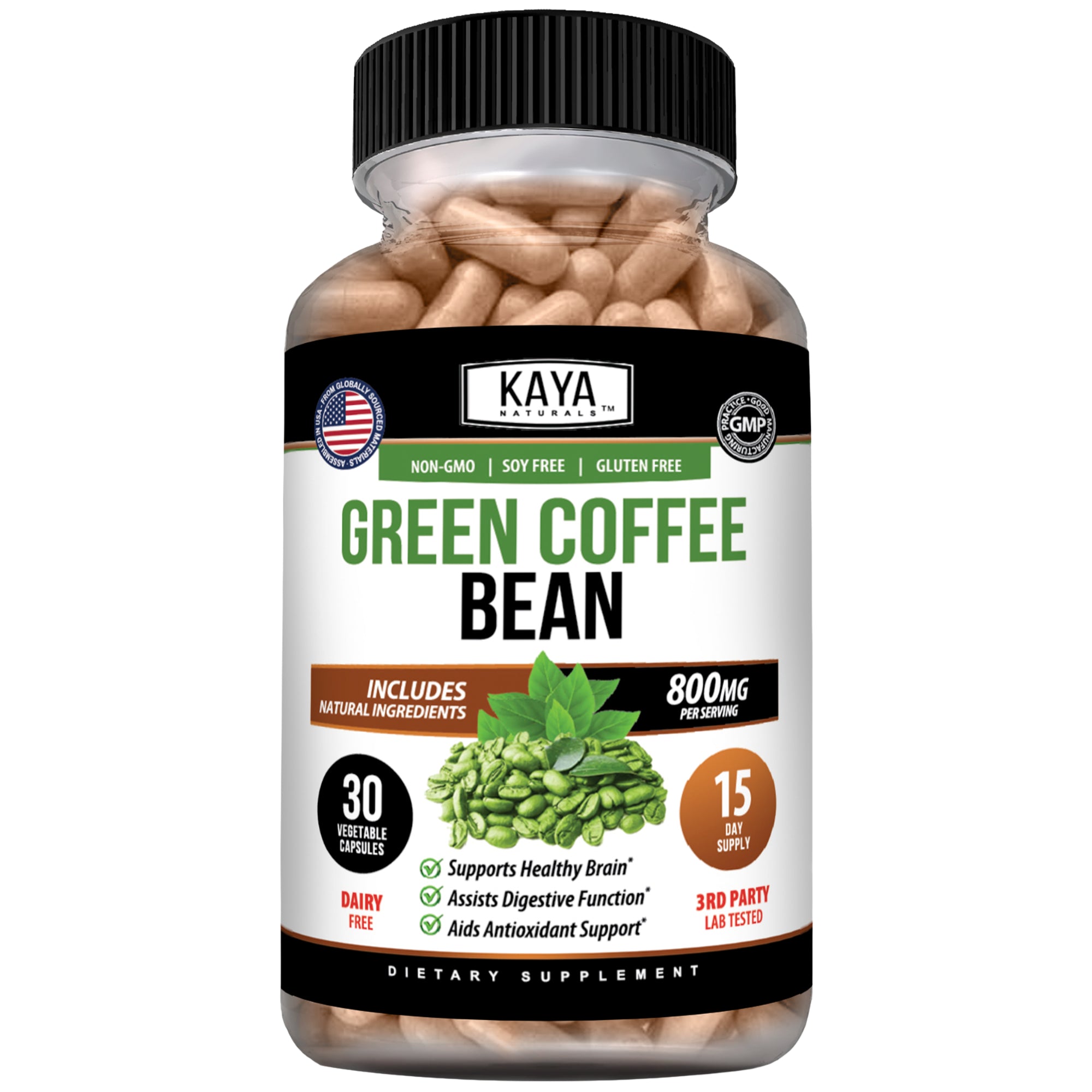
Green tea and green tea extract, made from Camellia sinensis, earn a moderate grade, but the effect is smaller than the marketing suggests. You can shop green coffee bean extract to compare.
Watch out: green tea extract has documented cases of liver injury, so people with liver disease or a history of liver problems should check with a clinician before using concentrated capsules.
Garcinia Cambogia
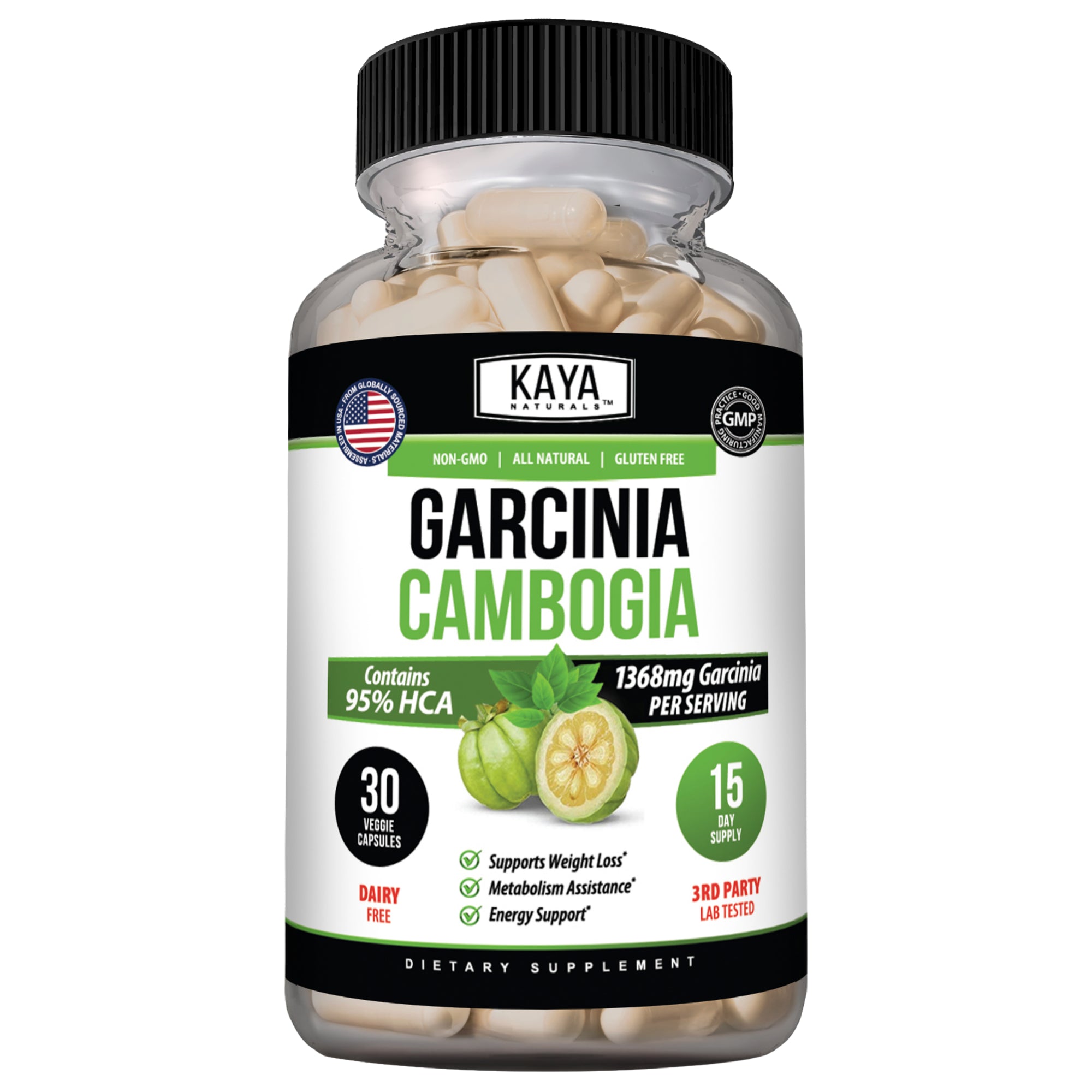
Garcinia cambogia is the most overhyped ingredient in this category. The active compound, hydroxycitric acid, showed promise in early small trials, but larger and better-controlled human studies have largely failed to confirm meaningful weight loss. It also carries documented case reports of liver toxicity and can interact with statins and diabetes medication. We stock it because customers ask for it, but we rank it near the bottom on evidence. If you want to try it anyway, view the garcinia cambogia product and read the label closely.
Chromium and Caffeine
Chromium picolinate has weak evidence for weight loss despite decades of marketing. Some trials suggest tiny improvements in body composition, but results are inconsistent and the effect size is not meaningful on its own.
Caffeine is the one stimulant with real, if modest, support: it slightly raises energy expenditure and reduces perceived appetite. The effect is short-term and small, and tolerance develops with regular use. The tradeoff is cardiovascular. Caffeine and other stimulants can raise blood pressure and heart rate, which matters if you have hypertension or a heart condition.
Berberine and Fiber-Based Options
Berberine is the most discussed emerging option. Small trials suggest modest support for glucose metabolism, but the human evidence is not yet at the level of the better-studied ingredients. It also interacts with several medications, including some diabetes drugs, so it is not a casual add-on.
Fiber-based supplements, including glucomannan and chitosan, earn a moderate grade for a different reason: they work mechanically by promoting fullness and, in chitosan's case, binding some dietary fat. The effect is small and depends on taking them with water and with meals.
Conjugated Linoleic Acid (CLA)
CLA is a fatty acid marketed for fat loss and body composition. The trials are mixed, the effect sizes are small, and the grade is weak. It is generally tolerated, but the evidence does not support the claims on most labels, and it should not displace proven weight-management basics.
How to Use the Grades
A moderate grade is not a green light to skip the fundamentals; it means the ingredient may add a small assist alongside a calorie deficit, regular activity, and sleep. A weak grade means the better studies did not confirm the promise, so spend your money elsewhere. An emerging grade means the science is interesting but not settled. If you take prescription medication, the interaction check matters more than the evidence grade.
Weight Loss Herbs for Females: What to Know About Hormones and Safety
Hormonal shifts across the menstrual cycle, pregnancy, and menopause change how the body responds to both weight and supplements, and several popular herbs are not appropriate during pregnancy or breastfeeding. The guidance below is ingredient-specific, because "check with your doctor" is not useful on its own.
Pregnancy and Breastfeeding
This is the clearest line in the category. Stimulant-heavy products, concentrated green tea extract, garcinia cambogia, and berberine are generally not recommended during pregnancy and breastfeeding unless a clinician specifically approves them. If you are pregnant or nursing, discuss any weight-loss supplement or herbal product with your obstetric clinician before using it.
Hormonal Birth Control and Thyroid Medication
Hormonal birth control and thyroid medication are both common among women in this category, and both can be affected by supplements. Fiber-based products such as glucomannan and chitosan may reduce absorption of medications taken at the same time, so ask your pharmacist about timing. Berberine can interact with several medications, so check with a pharmacist before combining it with prescriptions. Bring your full medication list, including birth control and thyroid medication, to a pharmacist and ask about each supplement by name.
Anxiety, Sleep, and Stimulants
Stimulant-heavy products may worsen anxiety and sleep for some people. Caffeine and other stimulants can raise heart rate and blood pressure, and taking them late in the day may disrupt sleep. If you are sensitive to stimulants or already have anxiety or insomnia, a caffeine-free or fiber-based approach is the more sensible starting point.
Hormone-Sensitive Conditions
Some herbs are marketed for hormone-related complaints, so people managing hormone-sensitive conditions should involve their clinician rather than self-treat. Talk to your clinician first, especially if you are pregnant, nursing, or managing a hormone-sensitive condition, and bring the specific product label.
Weight Loss Herbs for Belly Fat: What Actually Targets Abdominal Fat
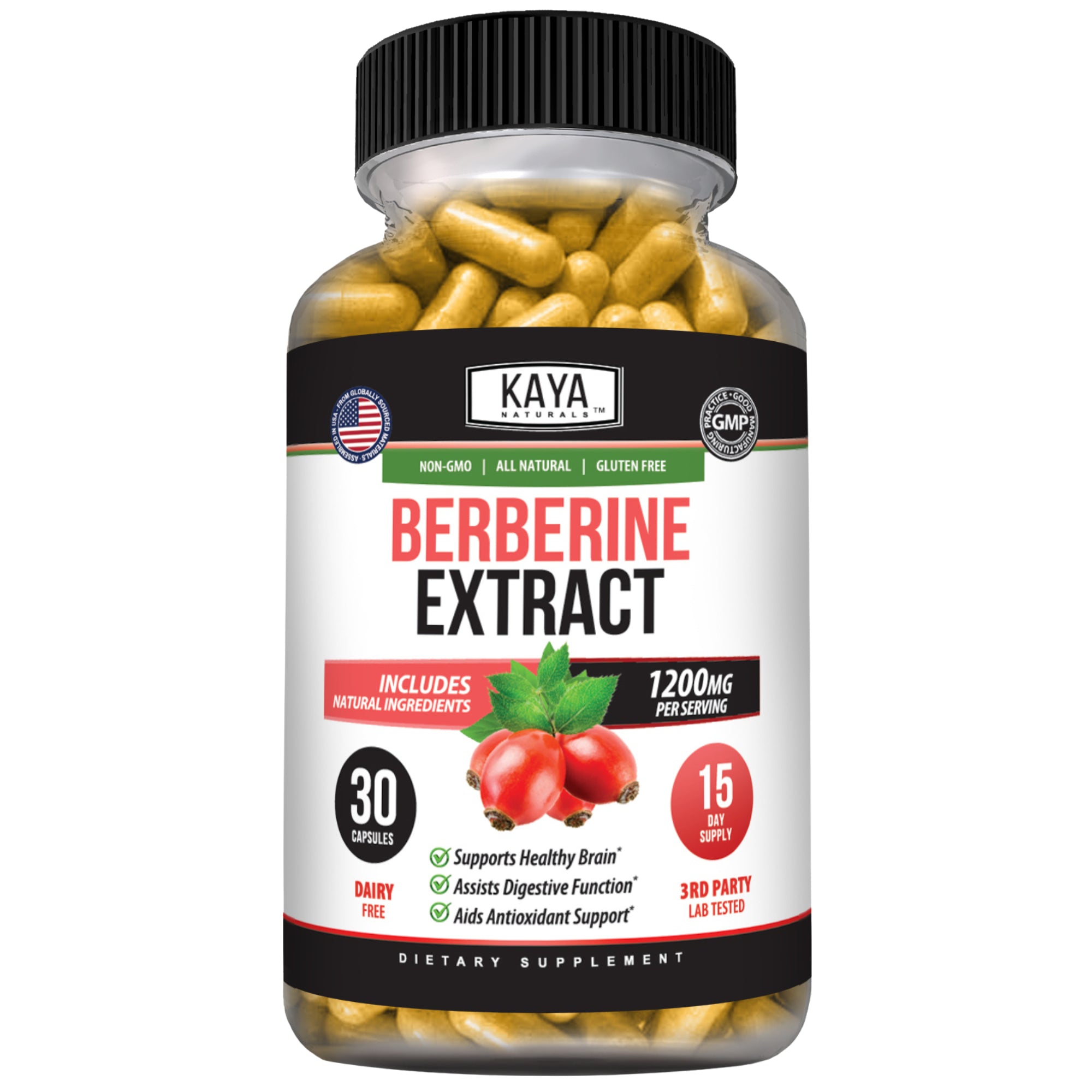
No herb targets belly fat specifically, and any product claiming to spot-reduce abdominal fat is overselling. What some ingredients do is support the metabolic picture around abdominal fat, which is tied to blood sugar and insulin response. Berberine is the most discussed option here, with emerging evidence for supporting healthy glucose metabolism already within normal ranges. Berberine also interacts with several medications, including some diabetes drugs, so it is not a casual add-on. If metabolic support is your goal, you can explore berberine as a discussed option.
How to Prepare Herbs for Weight Loss: Teas, Extracts, and Capsules
How you prepare an herb changes how much of the active ingredient you actually get. Teas deliver gentle, lower doses and are the safest entry point. Extracts and capsules concentrate the compounds, which raises both the potential effect and the potential risk. A practical hierarchy:
- Teas: steep 5-10 minutes, lowest dose, best for daily habit-building
- Powders: mix into water or food, moderate dose, watch for fillers
- Capsules and extracts: highest concentration, read the label and dosage carefully
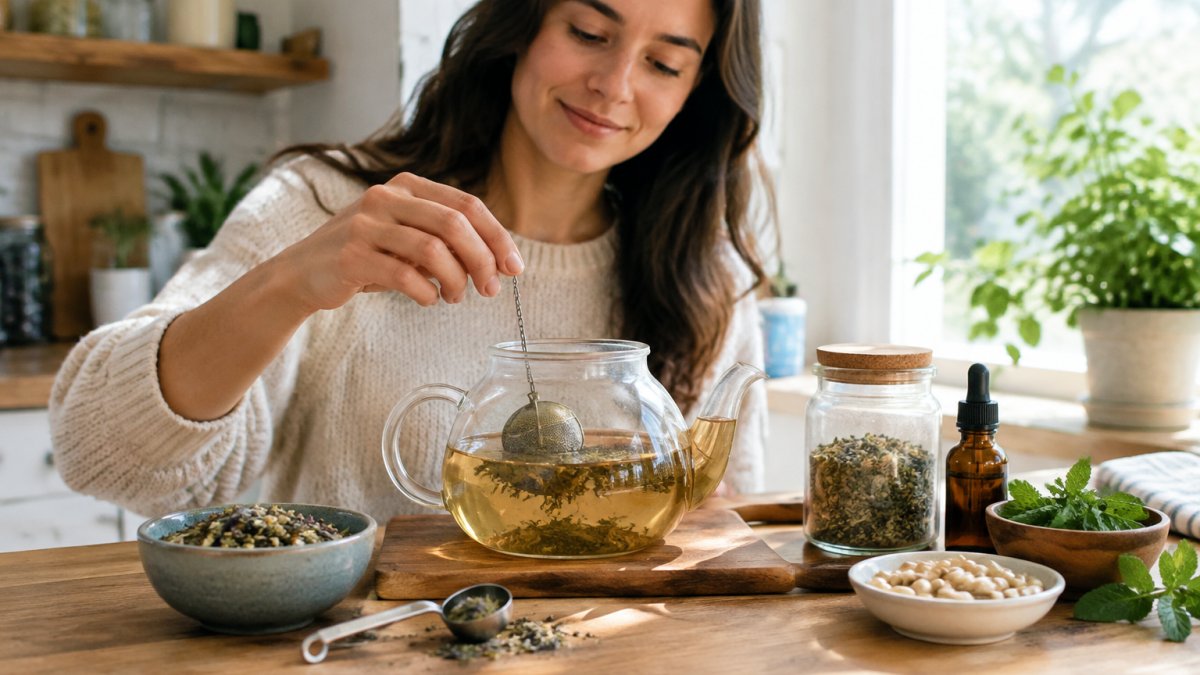
If you want a ready-made option rather than measuring loose herbs, an organic flatbelly tea is a simple place to start.
Safety, Side Effects, and Drug Interactions You Should Not Ignore
Safety is where this category earns its bad reputation. The FDA regulates herbal supplements as foods, not drugs, which means products are not reviewed for effectiveness before sale and adverse events are reported after the fact (FDA guidance on dietary supplements).
Watch out: combining multiple stimulant products, or taking an herbal supplement alongside blood thinners, diabetes medication, or blood pressure drugs without checking, can lead to serious problems. If you are new to herbs, start with a beginner's guide to herbal supplements before buying anything.
How to Read a Weight Loss Supplement Label Before You Buy
A label tells you more than the marketing does, if you know where to look. Check these in order:
- Full ingredient list with amounts: "Proprietary blend" hides doses; skip it
- Third-party testing seal: USP, NSF, or ConsumerLab verification
- Serving size vs. capsule count: a "30-day supply" of 2 capsules twice daily needs 120 capsules
- Stimulant content: total caffeine per serving, not just "energy blend"
- Allergen and interaction warnings: especially if you take medication
- Manufacturer contact and lot number: traceability matters if something goes wrong
If a product cannot tell you how much of each ingredient is inside, it cannot tell you what it does. That single check filters out most of the junk.
The real challenge with herbal supplements for weight loss is not finding products, it is finding ones you can trust and use safely alongside your real routine. JordanWellnessCo offers a range of supplements, fitness gear, and self-care essentials in one place. Get started with JordanWellnessCo and build a wellness routine you can actually stick with.
Frequently Asked Questions
What is the best herbal supplement for weight loss?
There is no single best option. Green tea extract has the most human trial data, with modest effects on metabolism and fat oxidation. Garcinia cambogia and chromium show mixed or weak results. Caralluma fimbriata and berberine have some supporting research but smaller studies. The right choice depends on your goals, medications, and how you respond. Start with one ingredient at a time and give it four to eight weeks before judging results.
Are herbal weight loss supplements safe?
Most single-ingredient herbal supplements are safe for healthy adults at label doses, but risks exist. Green tea extract in high doses has been linked to liver injury. Stimulant-containing products can raise blood pressure and heart rate. Herbal supplements can interact with medications, including blood thinners and diabetes drugs. People who are pregnant, nursing, or managing a chronic condition should talk to a healthcare provider before starting any herbal supplement.
Can herbal supplements reduce belly fat?
No herb selectively burns belly fat. Some ingredients, such as green tea extract and caffeine, may slightly increase fat oxidation during exercise, but the effect is small. Lasting belly fat loss comes from a calorie deficit, regular activity, and adequate sleep. Treat herbs as support, not a solution.
How do you prepare herbs for weight loss?
Preparation depends on the form. Follow the directions on the product label for preparation and frequency. Capsules and extracts are taken at the dose on the label. Liquid extracts are measured by dropper. Always follow the product's directions, start with a lower dose, and consult a healthcare provider if you take prescription medication.
How can I tell whether a weight loss supplement is safe?
Check for a complete ingredient list with amounts per serving, a manufacturer name and address, and a third-party testing seal if available. Avoid products marketed as miracles, those with proprietary blends that hide doses, and any ingredient the FDA has warned about. Search the FDA's warning letters and recall databases before buying. If a product promises rapid weight loss without diet or exercise, treat that as a red flag.


