

Table of Contents
- What Causes Muscle Cramps During Exercise
- Key Electrolytes for Cramp Prevention: Sodium, Potassium, and Magnesium
- How to Prevent Muscle Cramps During Exercise
- Best Electrolyte Drinks for Muscle Cramps: Quick Comparison
- Magnesium for Muscle Cramps: Why Citrate Form Matters
- Signs of Electrolyte Imbalance to Watch For
- When to Drink Electrolytes: Intra-Workout vs. Post-Workout Recovery
- Frequently Asked Questions
Last Updated: September 23, 2026
What Causes Muscle Cramps During Exercise
Muscle cramps are involuntary contractions caused by electrolyte imbalance, which is why electrolyte drinks muscle cramps prevention is essential. When sodium, potassium, and magnesium levels drop too low, your nervous system can't regulate muscle contractions effectively. Dehydration worsens this by concentrating electrolytes and preventing muscle relaxation.
Sweat depletes electrolytes faster than water alone can replace them. Plain water during prolonged training dilutes blood sodium levels, triggering cramps. Your body needs electrolyte drinks to maintain the mineral balance required for muscle function.
Key Electrolytes for Cramp Prevention: Sodium, Potassium, and Magnesium
Three electrolytes prevent cramps: Sodium drives nerve signals controlling muscle contraction, Potassium regulates contractions and blood pressure, and Magnesium enables muscle relaxation. A deficiency in any one causes cramping. Many athletes neglect magnesium despite replacing sodium and potassium, so the balance matters as much as the presence of each mineral.
According to research on electrolyte physiology, magnesium citrate, the form used in quality electrolyte supplements, has superior bioavailability compared to magnesium oxide. This means your body actually absorbs and uses it, rather than passing it through your system. Citrate form electrolytes support both acute relief during exercise and post-workout recovery.
How to Prevent Muscle Cramps During Exercise
Prevention starts with proper hydration the day before. During exercise, sip electrolyte drinks muscle cramps regularly rather than waiting until they develop, prevention is easier than stopping a cramp once it starts.
Calculate Your Individual Sweat Rate
Sweat rate varies dramatically by individual, intensity, climate, and fitness level. A one-size-fits-all formula risks either under-hydration (cramps) or over-hydration (hyponatremia). Calculate your personal sweat rate to match electrolyte intake accurately.
To find your sweat rate:
- Weigh yourself nude before exercise.
- Exercise for exactly 60 minutes at your typical training intensity.
- Weigh yourself again immediately after (nude, toweled dry).
- Calculate: (Pre-weight − Post-weight) + fluid consumed during exercise = sweat rate per hour.
Example: You weigh 160 pounds before, 158 pounds after, and drank 16 ounces (1 pound) of water during the hour. Your sweat rate is 3 pounds per hour, or roughly 1.4 liters per hour.
Repeat this test in different conditions because sweat rate varies. Most athletes range 0.5-2.0 liters per hour depending on context.
Match Electrolyte Intake to Sodium Loss
Sweat contains roughly 500-700 milligrams of sodium per liter. Drinking plain water dilutes blood sodium and triggers cramping. Your electrolyte drink should replace 50-70% of sodium loss. For a 1.5-liter-per-hour sweat rate, aim for 400-700 milligrams of sodium per hour. Total Hydrate products feature 800 milligrams of Celtic sea salt per serving.

Account for Environmental and Intensity Factors
Heat increases sweat rate and electrolyte loss exponentially, in 90°F conditions you may lose 30-50% more electrolytes than in 70°F. Cold-weather athletes overlook hydration despite sweat loss under layers. High-intensity interval training spikes sweat rate regardless of temperature, so adjust electrolyte strategy upward for HIIT even in cool conditions.
The Timing Rule: Drink Before You Need It
Thirst is a late indicator of dehydration. Drink on a schedule, not on demand, to prevent performance decline and cramping.
For 60-90 minute exercise: one serving at 30 minutes. For 90+ minutes: one serving every 45-60 minutes starting at 30 minutes. For under 60 minutes: water alone usually suffices unless in extreme heat or high-intensity work.
Best Electrolyte Drinks for Muscle Cramps: Quick Comparison
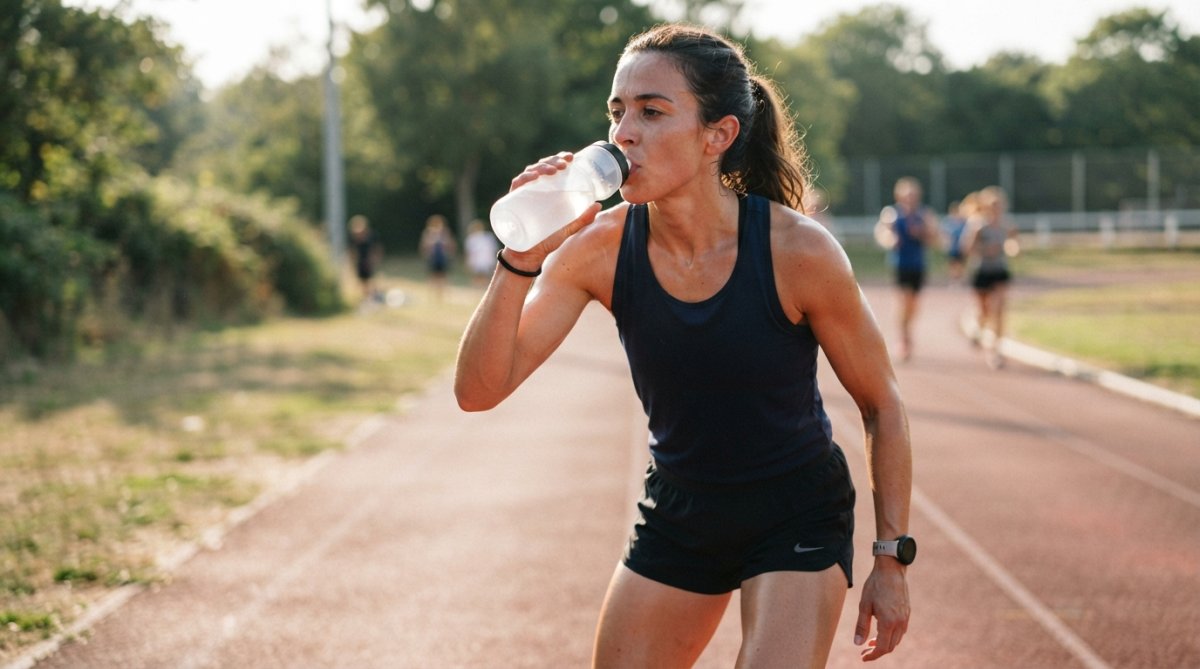
Choose an electrolyte drink matching your activity duration, intensity, and tolerance. JordanWellnessCo offers solutions designed for serious athletes with transparent dosing and clean ingredients.
| Product | Type | Key Strength | Best For | Price |
|---|---|---|---|---|
| Total Hydrate Variety Pack | Stick packets | 800mg Celtic salt + 72+ trace minerals | Athletes wanting mineral diversity | $24.99 |
| Total Hydrate Single Flavors | Stick packets | 250mg potassium + 65mg magnesium citrate | Flavor preference + full electrolyte profile | $21.99 |
| Hydration Powder Options | Powder mix | B vitamins + essential electrolytes | All-day hydration + energy support | $29.99 |
Total Hydrate Electrolyte Variety Pack
The variety pack includes five flavors with 800mg Celtic sea salt, 250mg potassium, 65mg magnesium citrate, and 72+ trace minerals per stick.

Zero sugar, zero artificial dyes, stevia-sweetened. Each stick mixes with 12-36 ounces of water. At $24.99 for 15 sticks, it offers a variety of flavors. The drawback: if you dislike variety, you'll have unused flavors.
Total Hydrate™ Electrolyte | Variety →
Hydration Powder Options
Powdered formulas in a jar with scoop include B vitamins, calcium citrate, magnesium citrate, sodium citrate, and potassium citrate. No sugar, keto-friendly, caffeine-free. At $29.99 per jar, they offer flexibility in portion size and work well for all-day hydration support. The trade-off: less portable than stick packets.
Magnesium for Muscle Cramps: Why Citrate Form Matters
Magnesium controls muscle contraction and relaxation. Without adequate magnesium, muscles stay partially contracted, causing cramping. Magnesium citrate is known for better absorption compared to magnesium oxide.
JordanWellnessCo uses magnesium citrate at 65mg per serving in Total Hydrate sticks and Hydration Powder options. Combined with sodium and potassium, it works as part of a complete electrolyte system.
Signs of Electrolyte Imbalance to Watch For
Electrolyte imbalance shows up as persistent muscle weakness, brain fog, nausea during exercise, and headaches after training in heat. Irregular heartbeat warrants immediate medical attention. If you cramp immediately upon exercising but feel fine at rest, your baseline electrolyte status is borderline, preventive supplementation makes the biggest difference.
Medication and Electrolyte Interactions: Critical Safety Considerations
Diuretics increase sodium and potassium loss. Athletes on diuretics who supplement with high-sodium electrolyte drinks face competing forces creating dangerous imbalances. Consult your physician before adding electrolyte supplements; your doctor may adjust medication timing or electrolyte dose.
ACE inhibitors and angiotensin II receptor blockers (common blood pressure medications like lisinopril or losartan) reduce potassium excretion, meaning your body retains more potassium. Adding high-potassium electrolyte drinks on top of these medications can push potassium to unsafe levels, risking cardiac arrhythmias. If you're on these drugs, avoid electrolyte formulas with 250+ milligrams of potassium per serving without medical clearance.
NSAIDs (ibuprofen, naproxen) taken regularly impair kidney function and electrolyte regulation. Athletes who combine chronic NSAID use with intense training and electrolyte supplementation are at higher risk for acute kidney injury and electrolyte toxicity. If you rely on NSAIDs for pain management, discuss electrolyte supplementation with your healthcare provider.
Corticosteroids (prednisone, dexamethasone) increase sodium retention and potassium loss. Athletes on corticosteroids for asthma, autoimmune conditions, or other reasons may already have altered electrolyte balance.
When to Seek Medical Evaluation
If you experience any of the following, stop supplementing and contact a healthcare provider:
- Severe headache or confusion during or after exercise
- Chest pain or persistent palpitations
- Severe nausea or vomiting that prevents fluid intake
- Swelling in hands, feet, or face (possible sodium overload)
- Muscle weakness that worsens despite electrolyte replacement
- Seizures or loss of consciousness
Baseline Electrolyte Status Matters
Your starting point affects how much supplementation you need. Athletes with a history of cramping, those living in hot climates, and those with genetic predisposition to electrolyte sensitivity may need more aggressive replacement than the general population. Conversely, athletes with kidney disease, heart failure, or those on the medications listed above may need less.
When to Drink Electrolytes: Intra-Workout vs. Post-Workout Recovery
During exercise (intra-workout): Electrolyte drinks work best when consumed during activity lasting over 60 minutes. For shorter sessions, water alone usually suffices unless you're in extreme heat or doing high-intensity intervals. Start drinking early, don't wait until you feel thirsty or cramping develops. Aim for 200-300 milliliters every 20-30 minutes, adjusting for sweat rate and temperature.
Frequently Asked Questions
What is the best electrolyte drink for muscle cramps?
The best electrolyte drink contains balanced sodium (800mg), potassium (250mg), and magnesium citrate (65mg) per serving. Total Hydrate Electrolyte delivers these in Celtic sea salt form with zero sugar. Look for formulas that clearly list their ingredients.
How much magnesium for muscle cramps should I take?
Magnesium citrate at 65mg per serving supports muscle function and hydration. This form is known for better absorption. During heavy training or in hot conditions, you may benefit from electrolyte drinks with this dose mixed throughout the day.
What are signs of electrolyte imbalance?
Signs include muscle cramps, weakness, irregular heartbeat, dizziness, nausea, and headaches. Severe cases involve confusion or seizures. If you experience persistent cramps despite hydration, or symptoms worsen during exercise, consult a healthcare professional. Electrolyte imbalance can result from excessive sweating, vomiting, or inadequate mineral intake during prolonged activity.
Do electrolyte drinks actually help with muscle cramps?
Yes, when formulated correctly. Electrolytes help your body retain water and maintain cellular balance, which is essential for muscle contraction. Sodium and chloride work together to move fluid in and out of cells, while potassium and magnesium support nerve signals and muscle relaxation. Electrolyte replenishment can help reduce exercise-associated muscle cramps.
Should I drink electrolytes before, during, or after exercise?
Intra-workout consumption (during exercise) is most effective for cramp prevention, especially during intense or prolonged activity lasting over 60 minutes. Drink small amounts every 15-20 minutes rather than large quantities at once. Post-workout electrolyte drinks support recovery and rehydration, but prevention during activity is the stronger strategy for avoiding cramps.


