

Table of Contents
- What Makes Professional Grade Skincare Different
- Medical Grade Skincare vs Drugstore Products
- Active Ingredients in Professional Skincare That Actually Work
- Clinical Testing and Evidence-Based Results
- How to Build a Professional Skincare Routine
- The Real Cost-Benefit Analysis
- Common Myths About Professional Grade Skincare
- Conclusion
Last Updated: August 18, 2026
What Makes Professional Grade Skincare Different
Professional grade skincare stands apart through higher concentrations of active ingredients, formulation stability optimized for therapeutic efficacy, and evidence-based results supported by clinical testing. The core difference lies in bioavailability and penetration depth. Professional formulations use advanced delivery systems that allow active ingredients to reach deeper dermal layers where they create meaningful change. A drugstore moisturizer hydrates the surface; a professional serum stimulates collagen production and addresses oxidative stress at the cellular level.
Formulation stability matters significantly. Professional products maintain potency throughout their shelf-life because manufacturers invest in stabilization technology. A retinoid serum that degrades after three months delivers diminishing results. Professional-grade versions remain effective for the entire product lifespan.
At JordanWellnessCo, we've curated professional skincare products reflecting this commitment to active ingredient concentration and clinical validation.
Medical Grade Skincare vs Drugstore Products
"Medical grade" has no official regulatory definition in the United States. The FDA does not certify skincare as "medical grade," which means any brand can use the label. This shifts the evaluation burden entirely to ingredient concentration, clinical evidence, and formulation science.
Drugstore products typically contain lower concentrations of active ingredients. A drugstore retinol might include 0.25% retinol; a professional retinoid serum could contain 0.5% retinol or a more potent retinoid derivative. Drugstore vitamin C serums often contain less than 5% active vitamin C; professional versions frequently exceed 15%. Higher concentration means faster visible results and more reliable outcomes.
Professional skincare brands conduct stability testing, patch testing, and efficacy studies on their formulations. Drugstore brands may rely on general safety data without product-specific testing. When a professional product claims it reduces hyperpigmentation, that claim typically rests on actual clinical evidence.
The price reflects this investment. A professional serum at $15.95 from JordanWellnessCo represents rigorous ingredient selection and testing. Professional brands source stabilized forms of actives that remain effective longer, while drugstore products use cheaper ingredient forms that degrade faster.
| Aspect | Professional Grade | Drugstore |
|---|---|---|
| Active Ingredient Concentration | 10-20%+ | 1-5% |
| Clinical Testing | Product-specific | General category |
| Formulation Stability | Extended shelf-life | Degrades faster |
| Penetration Technology | Advanced delivery systems | Surface-level |
| Price Point | $11.95-$16.95 | $2-$8 |
| Results Timeline | 2-4 weeks | 6-12 weeks or minimal |
Active Ingredients in Professional Skincare That Actually Work
Professional skincare delivers results through active ingredients at concentrations proven to create change. Salicylic acid, retinoids, niacinamide, and botanical extracts with prebiotic technology represent the most evidence-based options.
Salicylic acid at 1% concentration is the gold standard for acne management and rosacea relief. It penetrates the follicle, removes excess sebum, and prevents bacterial proliferation. The SkinSanity® Dual Action Acne Serum uses 1% salicylic acid derived from natural wintergreen extract, paired with prebiotic technology that avoids the drying and irritation associated with benzoyl peroxide.
Retinoids represent the most studied anti-aging active. They stimulate collagen production, accelerate cell turnover, and address fine lines at the molecular level. Professional retinoid serums use stabilized forms that remain potent throughout the product's life.
Niacinamide (vitamin B3) appears in professional formulations at 4-5% concentration. It strengthens the skin barrier, reduces inflammation, and prevents transepidermal water loss. The SkinSanity® Le Creme de Terre Night Cream includes niacinamide alongside algae extract and plant-based retinol alternatives, addressing multiple aging pathways simultaneously.
Prebiotic Activ Technology is a patented botanical extract designed to support skin barrier function while addressing acne-causing bacteria. Unlike antibiotics that disrupt the skin microbiome, prebiotics strengthen beneficial bacteria while inhibiting pathogenic strains, preventing rebound breakouts.
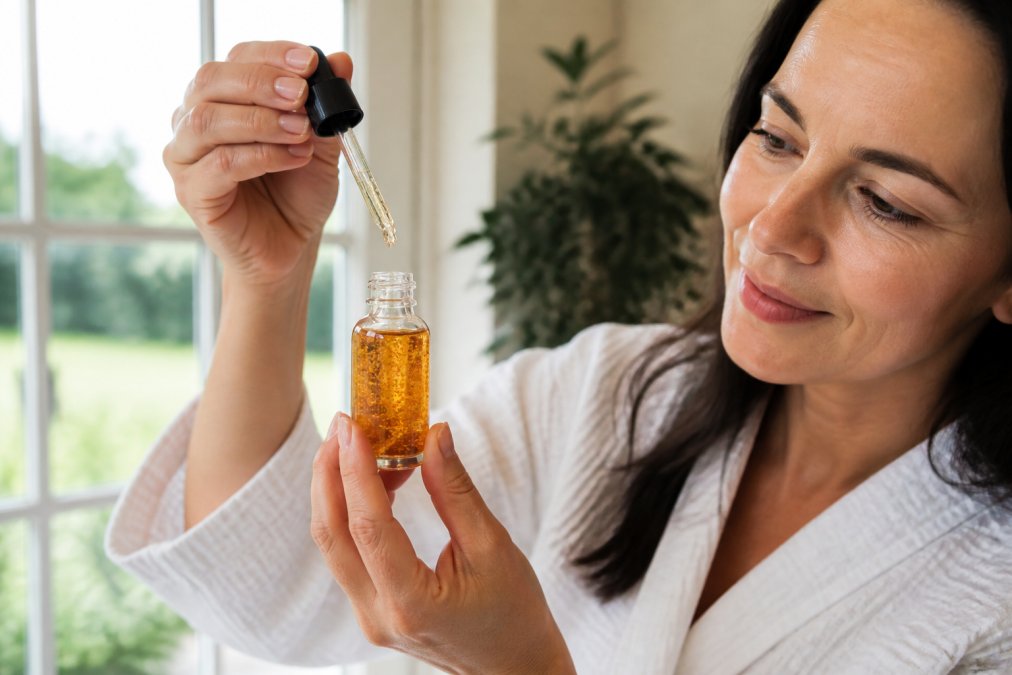
Enzyme-based exfoliants like the Derm #1 Multi-Fruit Enzyme Facial Cleanser combine fruit enzymes with prebiotic support. These work through enzymatic action rather than mechanical abrasion, removing dead skin cells without disrupting the skin barrier.

Hyaluronic acid appears in professional moisturizers at molecular weights optimized for penetration. It binds water at 1000 times its weight, creating lasting hydration. Professional formulations use stabilized hyaluronic acid that remains effective.
Clinical Testing and Evidence-Based Results
Evidence-based skincare means the product has undergone testing demonstrating efficacy for specific claims. Professional brands invest in this validation because it justifies the price premium and builds consumer trust.
Formulation stability testing ensures active ingredients remain at their stated concentration throughout the product's shelf-life. Safety and irritation testing protects consumers from adverse reactions. Professional brands conduct irritation assessments on sensitive skin, test for allergens, and verify the product doesn't cause sensitization with repeated use.
Bioavailability studies measure how effectively active ingredients penetrate the skin and reach target tissues. A high concentration means nothing if it can't penetrate the stratum corneum. Professional formulations optimize molecular weight, pH, and delivery vehicles to maximize bioavailability.
How to Build a Professional Skincare Routine
A professional skincare routine follows a logical sequence: cleanse, treat with active serums, moisturize, and protect. This structure ensures each product works synergistically.
Start with a cleanser that removes impurities without disrupting the skin barrier. The Derm #1 Multi-Fruit Enzyme Facial Cleanser uses fruit enzymes and prebiotic support to cleanse deeply while maintaining pH balance. Apply 1-2 pumps to damp skin, massage gently, and remove with a damp cloth.
After cleansing, apply your active serum while skin is still slightly damp. Damp skin enhances penetration and reduces irritation from potent actives. If addressing acne or rosacea, use the SkinSanity® Dual Action Acne Serum or Derm #1 Skin Perfecting Serum. For aging concerns, the SkinSanity® Le Creme de Terre Night Cream layered over a treatment serum addresses multiple pathways simultaneously. Allow 60 seconds for absorption before applying moisturizer.

Moisturize immediately after your active serum to lock in hydration and create a protective barrier. Use a dime-sized amount and press gently into the skin rather than rubbing.
For weekly treatment, incorporate the SkinSanity® Enzymatic Mud Mask Treatment 1-3 times weekly. Apply a thin layer to clean skin, leave for 3-5 minutes, and remove with a damp cloth. Follow immediately with your serum and moisturizer.
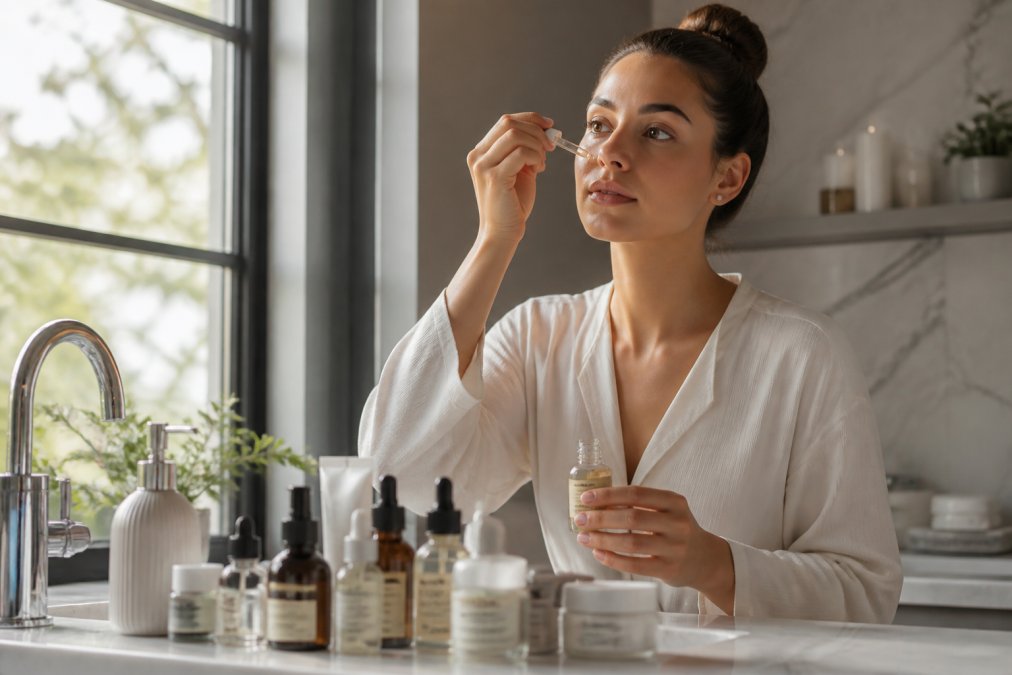
Consistency matters more than complexity. A simple routine used daily outperforms an elaborate routine used sporadically. Start with cleanser, one active serum, and moisturizer. Add treatments gradually as your skin adapts.
Morning routine: cleanser → active serum → moisturizer → sunscreen.
Night routine: cleanser → active serum → moisturizer or treatment cream.
Weekly addition: enzyme mask once or twice, followed by your serum and moisturizer.
| Step | Product | Duration | Frequency |
|---|---|---|---|
| Cleanse | Enzyme Cleanser | 60 seconds | Twice daily |
| Treat | Active Serum | 60 seconds absorption | Twice daily |
| Moisturize | Professional Cream | Immediate application | Twice daily |
| Weekly Treatment | Mud Mask | 3-5 minutes | 1-3 times weekly |
The Real Cost-Benefit Analysis
Professional grade skincare requires upfront investment, but the cost-per-use and results justify the expense when compared to drugstore alternatives over the same period.
A professional serum at $13.95 typically lasts 2-3 months with daily use, costing $0.15-$0.23 per day. A drugstore serum at $5.99 lasts 4-6 weeks because lower concentrations require more frequent application or deliver minimal results. The drugstore product costs less upfront but delivers less value over time.
Visible results accelerate with professional products. Most users see improvement in acne, rosacea, or hyperpigmentation within 2-4 weeks. Drugstore products often require 8-12 weeks and many users abandon them before results appear, creating a cycle of purchasing multiple products without achieving desired outcomes.
Long-term skin health improves with professional products because they support barrier function while addressing concerns. Professional routines prevent future damage while treating current issues.
Over six months, a professional routine costs $60-$80 monthly but delivers consistent, measurable results. A drugstore routine costs $20-$30 monthly but delivers inconsistent results, leading to additional purchases or eventually professional dermatology services costing $150-$300 per visit.
Professional anti-aging products address fine lines and collagen loss before they become severe, preventing the need for expensive procedures later.
Common Myths About Professional Grade Skincare
Myth: "Professional grade means prescription-only." Reality: Most professional skincare is available without a prescription. The term refers to formulation standards, not distribution. Products from JordanWellnessCo are professional grade and available directly to consumers.
Myth: "You need a dermatologist to recommend professional skincare." Reality: Dermatologists recommend professional products, but consumers can select them independently based on their skin type and concerns.
Myth: "More expensive always means better." Reality: Price reflects formulation science and ingredient quality, but not all expensive products are formulated well. JordanWellnessCo products deliver professional-grade efficacy at accessible price points ($11.95-$16.95).
Myth: "Professional skincare causes irritation because it's too strong." Reality: Irritation usually results from using the wrong product for your skin type or applying too much too frequently. Start with lower frequency (2-3 times weekly) and increase as your skin adapts.
Myth: "You need a complete routine to see results." Reality: A simple routine with one active serum and a moisturizer delivers results faster than a complex routine used inconsistently.
Myth: "Natural ingredients are always better than synthetic ones." Reality: Efficacy depends on formulation, concentration, and bioavailability, not whether an ingredient is natural or synthetic. What matters is whether the ingredient works and whether it's stable in the formulation.
Myth: "Professional skincare works immediately." Reality: Visible results typically appear within 2-4 weeks of consistent use. Skin cell turnover takes time.
Myth: "Once you start professional skincare, you can't stop." Reality: Your skin adapts to professional products, but you can pause or switch without permanent damage. Consistency is what creates lasting improvement.
According to dermatological research on skincare efficacy, the most common barrier to professional skincare success is inconsistent application rather than product ineffectiveness.
Professional grade skincare is worth the investment when you have specific skin concerns and expect consistent results. The evidence supports faster, more reliable outcomes compared to drugstore alternatives. The cost-per-use is competitive over time, and long-term skin health benefits prevent more expensive interventions later.
JordanWellnessCo offers professional-grade formulations designed for acne management, rosacea relief, and anti-aging at accessible price points. The Derm #1 Multi-Fruit Enzyme Facial Cleanser ($11.95) prepares skin for treatment actives. The SkinSanity® Dual Action Acne Serum ($13.95) addresses breakouts with clinical efficacy. The Derm #1 Skin Perfecting Serum ($15.95) handles rosacea and adult acne with prebiotic technology. The SkinSanity® Le Creme de Terre Night Cream ($16.95) delivers intensive hydration and anti-aging benefits.
Start with a cleanser and one active serum matched to your primary concern. Apply consistently for 8 weeks and evaluate results. Professional skincare works, but only when you commit to the routine. The investment pays dividends in skin clarity, texture, and long-term health.
Frequently Asked Questions
What is the difference between medical-grade and over-the-counter skincare?
Medical-grade skincare contains higher concentrations of active ingredients like salicylic acid, retinoids, and peptides, requiring professional distribution. Over-the-counter products have lower concentrations and are available at any retailer. The term 'medical-grade' isn't federally regulated, but these products typically undergo more rigorous formulation standards. Professional grade options like SkinSanity's Dual Action Acne Serum use 1% salicylic acid from natural wintergreen, clinically tested to work faster than leading brands, while drugstore alternatives often use synthetic versions at lower potencies.
Does professional grade skincare really make a difference?
Yes, when formulated correctly. Professional grade skincare delivers results through higher bioavailability of active ingredients and better formulation stability. Products with proven active ingredients like salicylic acid, niacinamide, and plant-based retinol alternatives show measurable improvements in skin texture, tone, and clarity within 2-4 weeks. The difference comes down to ingredient concentration levels, penetration depth, and clinical validation. Many users report visible improvements in acne, hyperpigmentation, and fine lines that drugstore products don't match, though individual results vary based on skin type and consistency of use.
Are there FDA regulations for 'medical-grade' skincare products?
The FDA does not officially regulate or define the term 'medical-grade' for skincare. Products labeled this way are typically cosmetics or over-the-counter drugs (OTC) depending on their claims. OTC acne treatments must contain approved active ingredients like salicylic acid at specific concentrations. Professional skincare brands often exceed cosmetic standards through independent testing and clinical trials, but this is voluntary. Always check the active ingredient list and look for products that cite clinical studies or third-party testing to verify claims.
What expensive skincare ingredients are actually worth the money?
Invest in products containing proven actives: salicylic acid (1%) for acne, niacinamide for barrier function and pore refinement, plant-based retinol alternatives for collagen stimulation, and hyaluronic acid for hydration. Peptides like palmitoyl tripeptide support skin repair. Antioxidants such as vitamin C, green tea, and resveratrol protect against oxidative stress. Prebiotics and fermented extracts enhance skin microbiome health. The cost difference often reflects concentration levels and bioavailability, professional grade products deliver these actives at higher potencies. For example, SkinSanity's night cream at $16.95 uses multiple peptides, algae extract, and fermented minerals that support collagen production and skin regeneration.
This article was written using GrandRanker


