
Last Updated: October 25, 2026
Quick Summary
Athletic performance supplements like creatine monohydrate, caffeine, protein isolate, and electrolytes support strength, power, endurance, and recovery for competitive athletes. The most effective routine starts with one supplement, such as creatine for strength athletes or electrolytes for endurance training, and adds additional products after 2-3 weeks once you feel the initial effect.
- Creatine monohydrate at 5g per serving supports ATP regeneration and shows noticeable improvements within 5-7 days of consistent use.
- Caffeine dosing of 3-6 mg per kilogram of body weight taken 30-60 minutes before exercise improves alertness and power output.
- POST HUSTLE whey protein isolate delivers 20-40 grams of fast-absorbing protein within 30-90 minutes post-workout to accelerate muscle recovery.
- Total Hydrate Electrolyte Variety Pack replaces sodium, potassium, magnesium, and calcium lost through sweat during endurance training.
- NSF Certified for Sport products like PRE GAME and POST HUSTLE have passed rigorous testing for banned substances and label accuracy.
Table of Contents
- Quick Comparison: Top 5 Athletic Performance Supplements for Competitive Sports
- Creatine for Athletic Performance: Strength and Power
- Caffeine for Sports Performance: Energy and Focus
- Protein and Muscle Recovery: The Post-Workout Essential
- Electrolytes for Endurance Athletes: Hydration and Stamina
- Third-Party Tested Sports Supplements: Safety and Certification
- Start Your Performance Supplement Routine Today
- Frequently Asked Questions
Quick Comparison: Top 5 Athletic Performance Supplements for Competitive Sports
When you're training for competitive sports, the difference between good and great often comes down to recovery, energy, and sustained performance. The right athletic performance supplements can support your body's natural capacity to build strength, maintain endurance, and bounce back faster between sessions.
Here's what matters: not every supplement works for every athlete, and dosing, timing, and third-party certification separate the serious products from the noise. Below, we've selected five athletic performance supplements that address the core needs of competitive athletes, strength, power, endurance, and recovery. You can also explore a related article covering similar performance supplement recommendations.
| Supplement | Best For | Price | Key Benefit |
|---|---|---|---|
| Creatine Monohydrate | Strength and power athletes | $29.99 | Supports ATP regeneration for explosive performance |
| PRE GAME | Pre-workout energy and focus | $39.99 | Tailored caffeine dosing without overstimulation |
| Creatine Hydration Formula | Endurance and high-intensity training | $34.99 | Combines strength support with hydration minerals |
| Total Hydrate™ Electrolyte Variety Pack | Endurance athletes and recovery | $24.99 | Superior mineral profile for sustained hydration |
| POST HUSTLE | Post-workout muscle recovery | $64.99 | Fast-absorbing protein for muscle repair |
Creatine for Athletic Performance: Strength and Power
Creatine monohydrate is one of the most researched and effective athletic performance supplements for building strength and power. It works by supporting ATP regeneration in muscle cells, which means your muscles can produce more force during short bursts of intense effort.
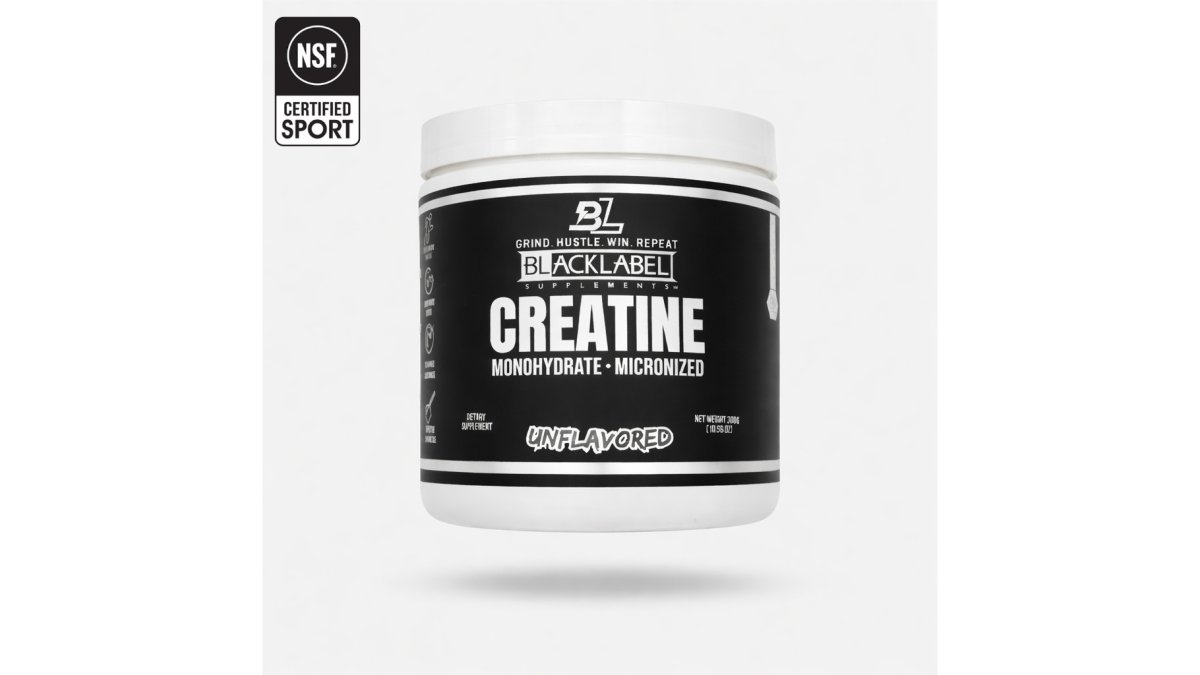
For competitive athletes, the benefit is measurable. Creatine helps you complete more reps at higher weights, sprint faster, and recover between sets more effectively. Most athletes see noticeable improvements within 5-7 days of consistent use, though full saturation in muscle tissue takes about two weeks.

The CREATINE MONOHYDRATE product we carry contains 5g of pure creatine per serving. This is the dose used in most research studies supporting creatine's effectiveness.
What most guides miss: creatine works best when your muscles are well-hydrated and you're eating enough carbohydrates and protein. Without adequate water intake and nutrition, you won't see the full benefit.
Caffeine for Sports Performance: Energy and Focus
Caffeine is one of the few supplements with strong evidence for improving alertness, reducing perceived exertion, and supporting power output and sprint performance. For competitive athletes, the challenge is not whether caffeine works but how to use it without triggering jitters, GI distress, or sleep disruption that erodes recovery.
What the evidence supports
Most sports-nutrition practitioners point to a dose range of about 3-6 mg per kilogram of body weight taken 30-60 minutes before exercise. For a 150-pound athlete, that is roughly 200-400 mg. Effects on endurance and perceived effort are generally more consistent than effects on pure strength, and sprint or power benefits are smaller and more variable. A common pattern is that athletes respond differently: some feel a clear boost at 3 mg/kg, while others need closer to 6 mg/kg to notice anything, and a minority experience anxiety or GI upset at doses others tolerate well.
Sport-specific timing
- Strength and power sports (lifting, throws, jumps): Take caffeine 45-60 minutes before the first heavy attempt. Because effects peak around 45-60 minutes and taper over several hours, a single pre-session dose is usually enough. Avoid stacking multiple energy drinks or pre-workouts on competition day.
- Team and intermittent sports (soccer, basketball, hockey): A pre-game dose 45-60 minutes before warm-up works for many athletes, but the bigger opportunity is often a smaller dose at halftime or between periods to maintain focus and sprint capacity. Keep total daily intake within your tested tolerance.
- Endurance events (running, cycling, triathlon): Many athletes use a small dose before the start and then smaller amounts later in the event, often via caffeinated gels or chews. Practice this in training, because GI tolerance varies and race-day nerves amplify stomach issues.
- Skill and precision sports (golf, archery, shooting): Lower doses are usually better. High doses can increase tremor and heart rate, which can hurt fine motor control more than they help.
Safety, side effects, and contraindications
Caffeine is not risk-free. Common side effects include jitters, rapid heart rate, anxiety, headache, and GI upset. It can also disrupt sleep, and poor sleep undermines recovery more than a modest caffeine boost helps. Athletes with cardiovascular conditions, anxiety disorders, reflux, or sensitivity to stimulants should consult a qualified clinician before using caffeine for performance. Adolescents and younger athletes should be especially cautious, and many practitioners recommend limiting or avoiding caffeine in this group.
Practical protocol
- Start with a low dose (about 3 mg/kg) in training, not on competition day.
- Take it 45-60 minutes before the session and note focus, heart rate, and stomach comfort.
- Increase gradually only if needed, and avoid taking caffeine within 6-8 hours of bedtime.
- Cycle use (for example, 4 days on and 3 days off) to keep tolerance in check, and taper before major competitions.
PRE GAME is NSF Certified for Sport and allows you to tailor your caffeine intake based on your workout demands. That flexibility matters because the right dose for a heavy squat session is not the same as the right dose for a long endurance session or a precision sport. Use the same product to dial in your personal sweet spot rather than guessing across multiple products.
Protein and Muscle Recovery: The Post-Workout Essential
Protein is not technically a supplement in the traditional sense, it's a macronutrient your body needs to repair and build muscle tissue. But post-workout protein timing and quality matter for competitive athletes.
Research from the American College of Sports Medicine shows that consuming 20-40 grams of high-quality protein post-workout supports muscle protein synthesis, which is the biological process that makes muscle fibers stronger and larger.
POST HUSTLE is a whey protein isolate, which means it's been processed to remove most lactose and fat, leaving behind a fast-absorbing, high-protein product.
The suggested use is straightforward: mix POST HUSTLE with water or your preferred beverage immediately after training. Whey protein isolate absorbs quickly, usually 30-60 minutes, so you get amino acids to your muscles when they're most receptive.
Watch out: protein alone doesn't drive recovery. You also need adequate sleep, hydration, and overall calorie intake. An athlete eating 1,500 calories a day won't recover well even with perfect protein timing.
You can explore more protein options in our guide on 7 Best Plant Based Protein Powders For Muscle Gain if you're interested in plant-based alternatives.
Electrolytes for Endurance Athletes: Hydration and Stamina
Electrolytes, sodium, potassium, magnesium, and calcium, regulate fluid balance, muscle contractions, and nerve signaling. For endurance athletes training longer than 60-90 minutes, or for anyone training in heat, electrolyte replacement matters.
The Total Hydrate™ Electrolyte Variety Pack includes 15 stick packs in five flavors, so you can find what tastes good to you and actually drink it during training.
You control the strength by mixing with 12-36 ounces of water, less water for a bolder hit, more for a milder sip. For endurance training, aim for one stick per hour of intense effort, adjusted based on sweat rate and ambient temperature.
The American Council on Exercise recommends that athletes replace 16-24 ounces of fluid for every pound of body weight lost during exercise. Electrolytes accelerate fluid absorption in the gut, meaning your body actually retains and uses the water you drink instead of passing it through.
Total Hydrate contains real fruit-derived flavors. For serious endurance athletes, this matters.
Learn more about electrolyte strategies in our article on Best Electrolyte Drinks For Muscle Cramps.
Third-Party Tested Sports Supplements: Safety and Certification
Not all supplements are created equal. The supplement industry is less regulated than pharmaceuticals, which means some products contain undisclosed ingredients, mislabeled doses, or contaminants. For competitive athletes, third-party testing is non-negotiable because banned substances can end careers and damage health.
NSF Certified for Sport is a rigorous standard. Products carrying this certification have been tested for banned substances, label accuracy, and manufacturing quality.
The United States Anti-Doping Agency maintains a list of banned substances in sport. Many supplements contain ingredients that aren't explicitly banned but are on watch lists or have been contaminated during manufacturing. NSF Certified for Sport products undergo regular testing to prevent this.
PRE GAME and POST HUSTLE both carry NSF Certified for Sport status, which means they've passed rigorous testing for purity, potency, and banned substance screening.
The Creatine Hydration Formula combines creatine monohydrate with electrolytes in a single product, simplifying your supplementation routine. For athletes balancing multiple supplements, consolidation reduces complexity and the risk of missing doses or mixing products incorrectly.
Start Your Performance Supplement Routine Today
Building a sustainable supplement routine means starting with the fundamentals: creatine for strength and power, protein for recovery, and electrolytes for endurance and hydration. Caffeine for focus and energy comes next once you've dialed in the core three. Third-party certification ensures you're getting what the label says and nothing you shouldn't.
The most common mistake is buying too many supplements at once and expecting instant results. Start with one, perhaps creatine if you're a strength athlete, or electrolytes if you're training endurance, and give it 2-3 weeks to show its effect. Then add the next piece.
At JordanWellnessCo, we've curated a selection of athletic performance supplements specifically for competitive athletes who take their training seriously. Shop now and start with CREATINE MONOHYDRATE or Total Hydrate™ Electrolyte Variety Pack depending on your primary training goal. These two form the foundation for most competitive athletes, and adding them to your routine gives you a measurable edge in strength, endurance, and recovery.

Frequently Asked Questions
What are the best athletic performance supplements for competitive sports?
The most effective athletic performance supplements backed by research include creatine monohydrate for strength and power, whey protein isolate for muscle recovery, caffeine for energy and focus, beta-alanine for high-intensity exercise, and electrolytes for hydration and endurance. Your choice depends on your sport, training goals, and whether you prioritize strength, endurance, or recovery. Many competitive athletes stack multiple supplements to address different aspects of athletic performance.
How do I know if a sports supplement is third-party tested?
Look for certifications from organizations like NSF Certified for Sport or similar third-party testing bodies on the product label. Third-party tested sports supplements have been independently verified for purity, potency, and the absence of banned substances. Check the manufacturer's website or product listing for documentation of third-party testing. This certification is especially important for competitive athletes who must avoid supplements containing prohibited substances.
Should I take supplements before or after a workout?
Timing depends on the supplement type. Pre-workout supplements like caffeine and beta-alanine work best 30-60 minutes before training to boost energy and reduce fatigue during exercise. Protein and creatine are most effective post-workout to support muscle recovery and protein synthesis. Electrolytes can be taken during or after intense endurance training to restore hydration. Always follow the suggested use on the product label for optimal results.
Are sports supplements safe for competitive athletes?
Third-party tested sports supplements from reputable manufacturers are generally safe when used as directed. However, some supplements may interact with medications or medical conditions. Pregnant or nursing individuals and those under 18 should consult a healthcare professional before use. Always choose supplements certified for sport to avoid banned substances that could result in disqualification. Read warning labels carefully and do not exceed recommended doses.


