

Table of Contents
- Why Men Need a Targeted Supplement Stack
- 1. Creatine Monohydrate: The Most Researched Muscle Builder
- 2. Vitamin D3 with K2: Bone, Heart, and Immune Support
- 3. Omega-3 Fish Oil: Heart and Brain Health
- 4. Ashwagandha: Stress and Hormonal Balance
- 5. Complete Multivitamin: Filling Micronutrient Gaps
- Best Fitness Supplements 2026: Quick Comparison
- How to Choose Safe Supplements
- Frequently Asked Questions
Last Updated: October 3, 2026
Why Men Need a Targeted Supplement Stack
The top 5 supplements for men come down to five essentials: creatine monohydrate, vitamin D3 with K2, omega-3 fish oil, ashwagandha, and a complete multivitamin, each addressing a different gap diet alone leaves open for supplements for men.

A targeted stack closes the gaps food leaves behind, not more pills, but the right ones.
A supplement stack is a small, deliberate group of products chosen to cover specific nutritional gaps rather than a random collection of bottles. The five below cover muscle, bone, heart, brain, stress response, and micronutrients.
1. Creatine Monohydrate: The Most Researched Muscle Builder
Creatine monohydrate is the most studied sports supplement, supporting muscle hypertrophy, protein synthesis, and short bursts of intense effort by helping muscles regenerate energy during hard training.
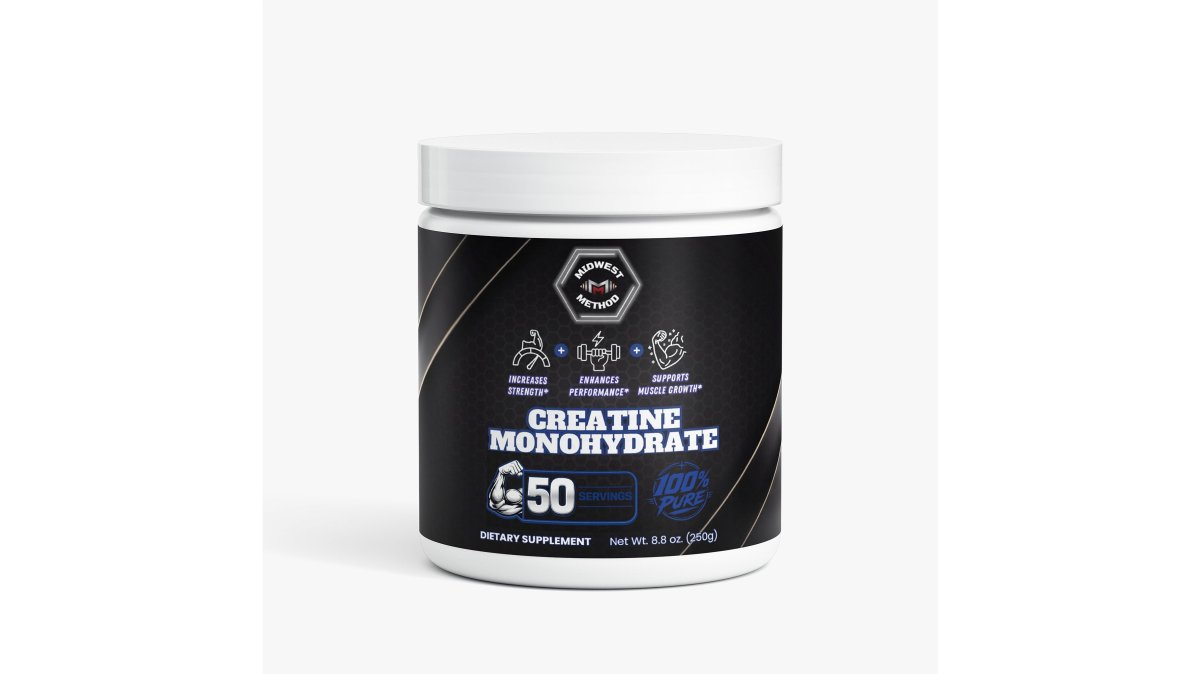
The body makes a small amount of creatine in the liver and kidneys, and diet adds a little more, but research-backed performance doses exceed what food and natural production provide.
Our Creatine Monohydrate (Unflavored) comes from a manufacturer widely used in creatine research, so you get the same form studied in trials.
Pros and Cons of Creatine Monohydrate
- Pros: Strong research base, supports strength and muscle protein synthesis, unflavored so it mixes into anything, affordable per serving.
- Cons: Requires daily consistency to matter, the loading phase means several scoops a day at first, and some men notice mild water retention early on.
2. Vitamin D3 with K2: Bone, Heart, and Immune Support
Vitamin D3 with K2 supports bone density, heart health, and immune response in one daily softgel: D3 helps your body absorb calcium, while K2 directs it into bones and teeth rather than arteries.
Many men who work indoors get little sun exposure, the source of most vitamin D. A daily softgel takes the guesswork out of it.
Our Vitamin D3 10000 IU with K2 (MK-7) delivers 10,000 IU of D3 and 200 mcg of K2 as MK-7 per softgel, one per day, 90 softgels per bottle.
Pros and Cons of Vitamin D3 with K2
- Pros: One softgel daily, K2 improves calcium use, supports three systems at once, three-month supply per bottle.
- Cons: High-potency D3 is not right for everyone, so check with your doctor before starting, especially if you take blood thinners or have kidney conditions.
3. Omega-3 Fish Oil: Heart and Brain Health
Omega-3 fish oil supplies EPA and DHA, two fatty acids your body cannot make efficiently on its own. EPA supports normal cholesterol and triglyceride metabolism; DHA supports brain function and vision.

Most men fall short on oily fish. Two servings a week is the usual target, and few diets hit it.
Our Omega-3 Fish Oil delivers 180 mg EPA and 120 mg DHA per serving, 100 softgels per bottle.
Pros and Cons of Omega-3 Fish Oil
- Pros: Supports heart and brain function, easy softgel format, made in the USA, works alongside the rest of a stack.
- Cons: Fishy aftertaste if taken on an empty stomach, and results build slowly over weeks rather than days.
4. Ashwagandha: Stress and Hormonal Balance
Ashwagandha is an adaptogenic root used in Ayurvedic practice for generations. It supports the body's response to everyday stress, which matters because chronic stress works against hormonal balance, recovery, and sleep.
Our Ashwagandha pairs organic ashwagandha root with organic black pepper. Take one (1) capsule twice daily as a dietary supplement. For best results, take 20-30 minutes before a meal with an 8 oz glass of water or as directed by your healthcare professional.
Pros and Cons of Ashwagandha
- Pros: Organic root, simple two-capsule routine, supports stress response and recovery, affordable entry point.
- Cons: Not for everyone: pregnant or nursing men and women, anyone under 18, and people on medication should talk to a doctor first.
5. Complete Multivitamin: Filling Micronutrient Gaps
A complete multivitamin fills the small, persistent micronutrient gaps even good diets leave behind, insurance for days when vegetables get skipped.

Our Complete Multivitamin packs vitamins A, C, D, E, a full B-complex, and minerals including calcium, magnesium, zinc, selenium, copper, manganese, chromium, and molybdenum. It also features a blend of botanical ingredients, including green tea extract, echinacea, spirulina, lutein, lycopene, garlic, grape seed extract, pomegranate extract, and other plant-based extracts.
Pros and Cons of a Complete Multivitamin
- Pros: Broad nutrient coverage in one bottle, includes saw palmetto and botanical extracts, two-capsule routine, made in the USA.
- Cons: Not a replacement for real food, and the botanical blend means anyone on medication should check with their doctor first.
Best Fitness Supplements 2026: Quick Comparison
Here is how the five stack up side by side for the year ahead.
| Supplement | Daily Routine | Primary Focus | Best For | Watch Out For |
|---|---|---|---|---|
| Creatine Monohydrate | 1-2 scoops daily after loading | Muscle and strength | Men training for size or power | Mild water retention early on; needs daily consistency |
| Vitamin D3 with K2 | 1 softgel daily | Bone, heart, immune | Indoor workers, low sun exposure | High-potency D3 needs a doctor check if you take blood thinners |
| Omega-3 Fish Oil | 1 softgel twice daily | Heart and brain | Most men, especially low-fish diets | Fishy aftertaste if taken on an empty stomach |
| Ashwagandha | 1 capsule twice daily | Stress and hormonal balance | High-stress, poor-sleep periods | Pregnant or nursing mothers, children under the age of 18, and individuals with a known medical condition should consult a physician before using this or any dietary supplement. |
| Complete Multivitamin | 2 capsules each morning | Micronutrient gaps | Anyone with an uneven diet | Do not exceed the recommended dose. |
How to Read the Table
The "Best For" column is the one to act on. Train hard three or more times a week? Creatine is the highest-return product here. Work indoors with little sun? Vitamin D3 with K2 is the one most men are actually deficient in. Eat fish less than twice a week? Omega-3s fill a gap diet will not. In a high-stress stretch, ashwagandha earns its place.
Minimalist vs. Comprehensive Stacks
You do not need all five on day one. Two tiers work:
- Minimalist stack: creatine monohydrate + complete multivitamin. Lowest monthly cost, widest coverage, easiest to stay consistent with. Add vitamin D3 with K2 if you get little sun.
- Comprehensive stack: all five, covering muscle, bone, heart, brain, stress response, and micronutrient gaps. Best once the minimalist habit is automatic.
Age-Adjusted Priorities
- 20s-30s: creatine and a multivitamin do most of the work. Add vitamin D3 with K2 if you are indoors all day.
- 40s-50s: vitamin D3 with K2 and omega-3s move to the front for bone density and heart health. Creatine still helps preserve muscle. Ashwagandha is optional and stress-dependent.
- 60s+: creatine, vitamin D3 with K2, and omega-3s stay in. A multivitamin becomes more about absorption gaps than diet holes. Ashwagandha only after a doctor conversation if you are pregnant or nursing, under 18, or have a known medical condition.
What the Table Does Not Tell You
Two things matter more than which product you pick. Consistency: a minimalist stack taken daily beats a comprehensive stack taken three days a week. Sourcing: a product with an NSF Certified for Sport or USP Verified seal is worth more than a cheaper untested bottle. Check the seal before the price.
How to Choose Safe Supplements
Choosing safe supplements comes down to four checks: third-party testing, honest labeling, medication interactions, and a doctor conversation before you start. Skip any product that cannot tell you where it was made and what is inside.
1. Third-Party Testing and Quality Assurance
A CGMP-certified facility tells you the manufacturer follows good manufacturing practices, not what is actually in the bottle. For that, look for a third-party seal from an independent testing body.
- NSF Certified for Sport, the strictest common seal; screens for more than 280 athletic-banned substances on top of identity, purity, and label-accuracy checks. Most useful if you are a tested athlete or in a drug-tested workplace.
- USP Verified Mark, confirms the product contains the ingredients listed on the label, in the declared amounts, and does not contain harmful levels of contaminants. Broadly trusted for general consumers.
- Informed Choice / Informed Sport, batch-tested for banned substances; common on sports nutrition products.
If a product carries none of these, ask the brand for a certificate of analysis (COA) from an ISO 17025-accredited lab. A serious brand will send one. A brand that dodges the question is telling you something.
2. Honest Labeling
Look for a clear ingredient list with amounts per serving, not a vague "proprietary blend" hiding doses behind a total milligram figure.
Dietary supplements are regulated as food, not drugs, and the FDA's guidance on dietary supplements makes clear that products cannot claim to diagnose, treat, cure, or prevent disease. Any bottle that promises to do so is already off-script.
3. Medication Interactions
This is the check most men skip, and the one that matters most after age 40. Common interactions:
- Blood thinners (warfarin, apixaban, rivaroxaban): high-dose fish oil and vitamin K2 can both affect clotting. Vitamin K2 in particular works against warfarin by design, it is doing its job, but that job is the opposite of what the drug is doing.
- Blood pressure medication: ashwagandha can lower blood pressure further in some people, and high-dose fish oil has a mild blood-pressure-lowering effect. Stacked on top of a prescription, the combination can drop you lower than intended.
- Cholesterol medication (statins): some evidence suggests vitamin K2 and omega-3s may interact with statin metabolism, though the effect is usually minor. Worth mentioning to your prescriber.
MedlinePlus, the National Library of Medicine's consumer health resource, maintains plain-language pages on common supplements and their interactions with prescription medication. If you take blood thinners, blood pressure medication, or anything for a chronic condition, that check is not optional.
4. Age-Specific Supplementation
Generic advice wastes money. What you need shifts with age, and the same five bottles do not serve a 25-year-old and a 65-year-old equally.
- 20s and 30s: performance and recovery lead. Creatine monohydrate and a complete multivitamin cover the biggest gaps. Vitamin D3 with K2 matters if you work indoors. Omega-3s are a reasonable add if you eat little fish.
- 40s and 50s: bone density, heart health, and stress load move up. Vitamin D3 with K2 and omega-3s become near-default. Ashwagandha earns its place during high-stress seasons. Creatine still helps preserve muscle as natural levels decline.
- 60s and beyond: muscle preservation, bone density, and immune support dominate. Creatine, vitamin D3 with K2, and omega-3s stay in. A multivitamin covers absorption gaps more than diet holes. Ashwagandha is optional and worth a doctor conversation first if you are on cardiovascular medication.
5. Budget-Conscious vs. Premium Stacks
You do not need five premium bottles on day one. Two approaches work:
The minimalist stack (start here): creatine monohydrate and a complete multivitamin, the widest coverage for the lowest monthly cost, and easiest to stay consistent with. Add vitamin D3 with K2 if you get little sun.
The comprehensive stack (once the habit sticks): all five, creatine, vitamin D3 with K2, omega-3, ashwagandha, and a multivitamin, covering muscle, bone, heart, brain, stress response, and micronutrient gaps in one routine.
The mistake is buying the comprehensive stack on day one, missing days by week two, and quitting by week three.
For a deeper look at how nutrients interact with training and recovery, the NIH Office of Dietary Supplements publishes fact sheets on individual vitamins and minerals worth reading before you commit.
Frequently Asked Questions
What are the most effective supplements for men?
The most effective supplements for men depend on individual goals, but research supports creatine monohydrate for muscle and performance, vitamin D3 with K2 for bone and immune health, omega-3 fish oil for heart and brain function, ashwagandha for stress support, and a complete multivitamin to fill micronutrient gaps. Each targets a different system, so a stack combining several of these often works better than any single product.
Are supplements regulated by the FDA for safety?
In the United States, dietary supplements are regulated by the FDA as a category of food, not as drugs. This means they do not need pre-market approval for safety or effectiveness before being sold. However, the FDA can take action against unsafe products after they reach the market. To choose safe supplements, look for third-party testing seals, CGMP-certified manufacturing, and transparent ingredient labels.
When should I take supplements for muscle growth?
Timing matters less than consistency for most supplements. Creatine monohydrate works best taken daily at any time, though many men take it post-workout with a meal. Protein and amino acids are often taken within a few hours of training. For vitamin D3 with K2 and omega-3s, take them with meals containing fat to improve absorption. A complete multivitamin is typically taken in the morning with food.
How do I choose high-quality supplements for my fitness goals?
Start by checking for third-party testing from organizations like NSF or USP, which verify that what is on the label matches what is in the bottle. Look for CGMP-certified manufacturing, avoid proprietary blends that hide ingredient amounts, and check expiration dates. For fitness goals, prioritize products with clinically studied forms and doses, such as creatine monohydrate and vitamin D3 with K2.
What are the big 5 supplements for athletic performance?
The five supplements most often cited for athletic performance are creatine monohydrate, whey or protein powder, caffeine or pre-workout formulas, beta-alanine, and omega-3 fish oil. For men focused on overall wellness rather than pure performance, vitamin D3 with K2, ashwagandha, and a complete multivitamin can round out a stack that supports recovery, hormonal balance, and daily nutrition.


