

Table of Contents
-
Top 7 Supplements for Intense Athletic Training
- 1. Creatine Monohydrate: Power and Strength Foundation
- 2. Whey Protein: Muscle Repair and Recovery
- 3. Beta-Alanine: Endurance and Buffering Capacity
- 4. Pre-Workout Formulas: Caffeine and Nitrates
- 5. BCAAs: Recovery Between Sessions
- 6. Magnesium: Muscle Function and Sleep
- 7. Vitamin D and Omega-3s: Bone and Joint Support
- How to Time Supplement Intake for Training
- NSF Certified for Sport Supplements: What It Means
- Supplement Interactions and Safety Considerations
- Cost-to-Benefit Analysis: Building Your Stack
- Conclusion
Last Updated: August 13, 2026
Top 7 Supplements for Intense Athletic Training
When pushing your body to its limits, the right supplements can be the difference between hitting a plateau and breaking through it. At JordanWellnessCo, we've curated evidence-backed supplements designed for athletes who demand more from their training. Different training styles demand different nutritional support, a sprinter's needs differ fundamentally from a distance runner's, and a powerlifter requires different ergogenic aids than a CrossFit athlete. This guide breaks down the seven most impactful supplements for intense athletic training, explains what each one actually does, and shows you how to stack them strategically.

1. Creatine Monohydrate: Power and Strength Foundation
Creatine monohydrate is the gold standard for athletes focused on power output and strength gains. It's one of the most researched supplements in sports nutrition, with evidence consistently supporting its effectiveness for high-intensity, short-duration activities like weightlifting and sprinting.
Creatine increases your muscles' ability to produce adenosine triphosphate, the energy currency your cells use during explosive efforts. More ATP availability means more power in each rep and better training capacity. Most athletes experience noticeable strength improvements within 3-5 weeks of consistent use.
The standard protocol is straightforward: a 5-gram daily dose taken consistently delivers results without needing a loading phase. Timing doesn't matter as much as consistency, creatine works by building up in your system over time. One practical consideration: creatine pulls water into muscle cells, so you need to increase your water intake accordingly.
For athletes serious about strength and power, Transparent Labs Creatine HMB combines creatine monohydrate with HMB to reduce muscle protein breakdown during intense training.
Pros:
- Decades of clinical evidence supporting efficacy for strength and power
- Relatively affordable compared to other performance supplements
- Works synergistically with resistance training
Cons:
- Requires consistent daily intake to maintain muscle saturation
- Water retention can feel uncomfortable initially
- Individual response varies
2. Whey Protein: Muscle Repair and Recovery
Protein supplementation meets your body's demand for amino acids when training volume is high. Whey protein is the most convenient, cost-effective way to hit your daily protein targets, especially for athletes training twice daily or managing tight schedules.
During intense training, you're creating muscle damage. Muscle protein synthesis requires consistent amino acid availability. Whey protein delivers rapidly absorbed amino acids, making it ideal for post-workout windows when your muscles are primed to absorb nutrients. A 24-gram serving provides enough essential amino acids to trigger meaningful protein synthesis.
Optimum Nutrition Gold Standard 100% Whey offers 24 grams of protein per serving and 5.5 grams of naturally occurring branched-chain amino acids.
Pros:
- Fast absorption supports post-workout recovery window
- Contains complete amino acid profile including all BCAAs
- Widely available and relatively affordable
Cons:
- Contains dairy; unsuitable for vegan athletes
- Some formulations include artificial sweeteners
- Quality varies significantly between brands
3. Beta-Alanine: Endurance and Buffering Capacity
Beta-alanine addresses muscle acidosis during high-intensity efforts. When pushing anaerobic threshold, your muscles accumulate hydrogen ions that create fatigue. Beta-alanine increases muscle carnosine, which buffers this acid buildup and allows you to maintain performance longer.
The evidence is clearest for activities lasting 1-4 minutes at high intensity: 400-meter runs, rowing intervals, high-rep sets, and team sport sprints. You need 3-6 grams daily for 4-6 weeks before noticing effects. Most athletes take 2-3 grams at a time, split across the day. A harmless tingling sensation called paresthesia is common and subsides with continued use.
NOW Sports Beta-Alanine provides an unflavored powder option that's versatile and affordable.
Pros:
- Specifically targets anaerobic threshold and exercise capacity
- Works for high-intensity, short-duration activities
- Affordable and widely available
Cons:
- Requires 4-6 weeks of consistent use before effects appear
- Paresthesia (tingling) can be uncomfortable for some users
- Benefits limited to specific training types
4. Pre-Workout Formulas: Caffeine and Nitrates
Pre-workout supplements work through two primary mechanisms: central nervous system stimulation and vascular enhancement. The most effective formulas combine caffeine for focus and power output with nitrate compounds for blood flow optimization.
Caffeine increases power output, reduces perceived exertion, and sharpens mental focus. The dose matters: 4-6 milligrams per kilogram of body weight shows consistent benefits. For a 70-kilogram athlete, that's 280-420 milligrams. Consume 30-60 minutes before training for peak effect.
Nitrates enhance vasodilation, improving blood flow and oxygen delivery to working muscles. This reduces fatigue and supports training capacity, particularly during longer efforts or high-rep training.
Legion Pulse Pre-Workout combines caffeine with L-citrulline malate, beta-alanine, and theanine. The formula is transparent about dosing and third-party tested.
Pros:
- Combines multiple mechanisms for comprehensive performance support
- Caffeine effect is immediate and measurable
- Third-party testing ensures purity and label accuracy
Cons:
- Caffeine sensitivity varies; some athletes experience jitters or sleep disruption
- Effectiveness diminishes with regular use
- Higher price point than individual ingredients
5. BCAAs: Recovery Between Sessions
Branched-chain amino acids (leucine, isoleucine, and valine) support muscle protein synthesis, but they're most valuable when total protein intake is inadequate. If you're already consuming 1.6-2.2 grams of protein per kilogram of body weight daily, whole-food or whey protein sources provide all necessary BCAAs.
Where BCAAs shine: athletes training multiple times daily with limited recovery windows, or those unable to consume adequate total protein. A BCAA supplement between training sessions can reduce muscle breakdown during the catabolic state between workouts. The optimal BCAA ratio is approximately 2:1:1 (leucine to isoleucine to valine), with leucine as the primary trigger for muscle protein synthesis.
NOW Foods Branched Chain Amino Acid Powder provides the correct 2:1:1 ratio in unflavored form.
Pros:
- Supports muscle protein synthesis between training sessions
- Reduces muscle breakdown during recovery periods
- Unflavored option allows flexible application
Cons:
- Redundant if total protein intake is adequate
- Less effective than whole-protein sources for overall amino acid profile
- Requires consistent use to show measurable benefit
6. Magnesium: Muscle Function and Sleep
Magnesium is fundamentally important for muscle function and energy production, yet many athletes operate in a deficient state. Intense training depletes magnesium through sweat and increases demand for muscle relaxation and recovery. The result is increased muscle cramps, delayed recovery, and poor sleep quality.
Magnesium supports muscle relaxation, reduces delayed onset muscle soreness, and improves sleep architecture, all critical for athletes. Sleep is where most adaptation happens; inadequate sleep undermines every other supplement in your stack.
The form matters significantly. Magnesium citrate and magnesium malate have superior bioavailability compared to magnesium oxide. Thorne Research Magnesium CitraMate combines both highly absorbable forms, supporting muscle function and energy production while promoting relaxation and sleep. Take magnesium in the evening, 1-2 hours before bed, at doses of 200-400 milligrams.
Pros:
- Supports muscle function and reduces cramping
- Improves sleep quality, enhancing recovery
- Addresses a common micronutrient deficiency in athletes
Cons:
- Requires consistent evening use for benefits
- Excessive doses cause loose stools
- Effects are gradual; noticeable benefits take 2-3 weeks
7. Vitamin D and Omega-3s: Bone and Joint Support
Vitamin D and omega-3 fatty acids address complementary aspects of athletic health. Vitamin D supports bone density, immune function, and muscle performance. Omega-3s reduce systemic inflammation and support cardiovascular health, allowing greater training capacity.
Vitamin D deficiency is common, particularly in athletes training indoors or living in northern climates. Most athletes benefit from 2,000-4,000 IU daily. Nature Made Vitamin D3 is affordable and widely available. Omega-3 supplementation becomes valuable when fish consumption is low. EPA and DHA reduce inflammation, support cardiovascular function, and improve recovery kinetics. Thorne Research Omega-3 w/CoQ10 combines fish oil with coenzyme Q10, which supports cellular energy production.
Pros:
- Vitamin D supports bone density and immune function
- Omega-3s reduce systemic inflammation
- Combined approach addresses multiple recovery pathways
Cons:
- Effects are gradual and subtle
- Vitamin D requires individual dosing based on baseline levels
- Fish-based omega-3s unsuitable for vegan athletes
How to Time Supplement Intake for Training
Timing supplement intake requires understanding how different compounds work and when your body is most receptive to their effects.
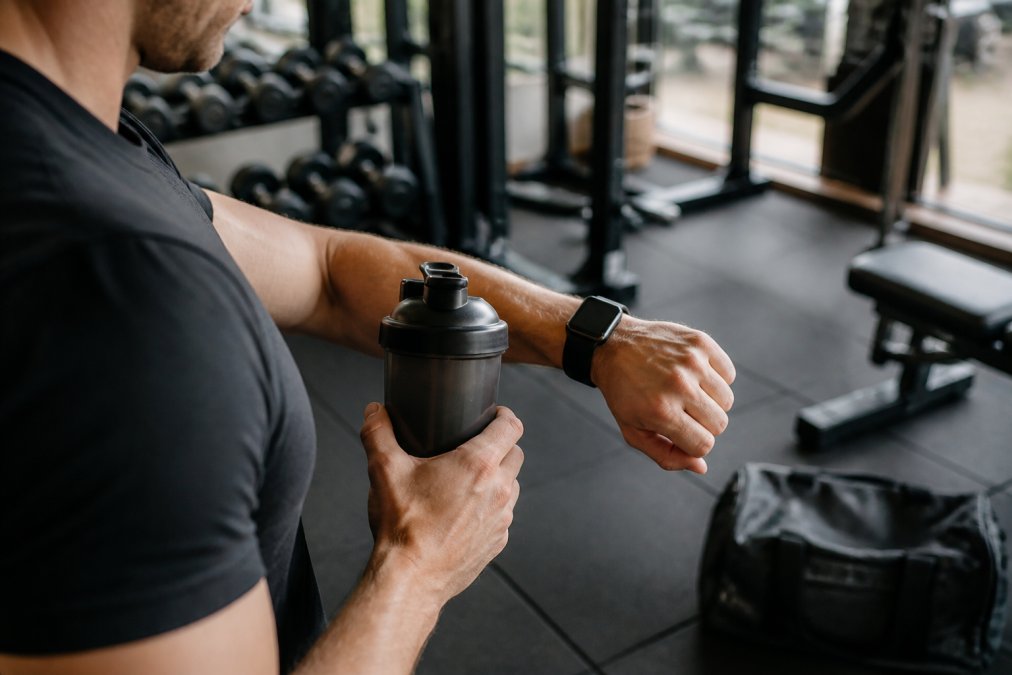
The pre-training window (30-60 minutes before) is when pre-workout formulas and caffeine deliver maximum impact. Caffeine peaks in your bloodstream 30-60 minutes after consumption. Creatine, by contrast, doesn't require pre-training timing; daily consistency matters more.
Post-training, your muscles are primed for nutrient absorption. Whey protein consumed within 1-2 hours post-workout supports muscle protein synthesis most effectively. BCAAs between training sessions work best during the catabolic window when muscle breakdown is elevated. Magnesium and omega-3s don't require specific timing; daily consistency is what matters.
Establish a routine that fits your schedule rather than obsessing over 15-minute windows. Consistency across days matters far more than perfect timing within a day.
| Supplement | Timing | Frequency | Duration Before Effect |
|---|---|---|---|
| Creatine | Any time daily | Once daily | 3-5 weeks |
| Whey Protein | Within 2 hours post-training | Post-workout | Immediate |
| Beta-Alanine | Any time daily | 2-3 times daily | 4-6 weeks |
| Pre-Workout (Caffeine) | 30-60 min before training | Pre-training | 30-60 minutes |
| BCAAs | Between training sessions | As needed | Immediate |
| Magnesium | Evening, 1-2 hours before bed | Daily evening | 2-3 weeks |
| Vitamin D | With a meal | Daily | 2-4 weeks |
| Omega-3s | With meals | Daily | 4-6 weeks |
NSF Certified for Sport Supplements: What It Means
NSF Certification for Sport is a third-party testing standard that verifies supplement contents match label claims and screens for banned substances. For athletes subject to drug testing, NSF certification provides assurance that a supplement won't trigger a positive result.
The certification process involves independent laboratory testing of finished products. NSF tests for banned substances from major sports organizations including WADA, NCAA, and professional sports leagues. If you're competing at any level where testing is possible, NSF certification is a practical safeguard against contamination risk.
Supplement Interactions and Safety Considerations
Combining multiple supplements requires understanding potential interactions and safety thresholds. Most supplements used at recommended doses are safe, but some combinations warrant caution.
Caffeine combined with stimulant-heavy pre-workout formulas can exceed safe intake levels. Stay below 400 milligrams of caffeine daily unless you're experienced with higher intake. Magnesium can interact with certain medications, particularly those affecting bone health or calcium absorption. If you're on prescription medication, verify magnesium supplementation is safe before starting. The same applies to omega-3 supplements if you're taking blood-thinning medications.
Creatine supplementation requires adequate hydration. For every gram of creatine supplemented daily, increase water consumption by 500 milliliters.
Cost-to-Benefit Analysis: Building Your Stack
Building an effective stack means prioritizing based on your training goals and budget constraints.
For strength and power athletes, creatine monohydrate and whey protein form a foundation. These two deliver measurable results at modest cost. Add a pre-workout formula if training intensity is consistently high. Beta-alanine becomes relevant only if your sport involves repeated high-intensity efforts lasting 1-4 minutes.
For endurance athletes, beta-alanine becomes more valuable; creatine less so. Magnesium and omega-3s support recovery and reduce inflammation from high-volume training.
For mixed-modal training (CrossFit, team sports), you need both power and endurance support. Creatine, beta-alanine, and pre-workout formulas all have roles.
JordanWellnessCo stocks these evidence-backed supplements alongside the fitness gear and recovery tools your training demands. Rather than cobbling together supplements from multiple retailers, you can source your entire regimen through a single vendor committed to quality and transparency.
Conclusion
The most effective supplements for intense athletic training aren't secret or exotic. They're straightforward compounds backed by consistent evidence: creatine for power, protein for recovery, beta-alanine for endurance, caffeine for focus, magnesium for muscle function, and omega-3s for inflammation management.
Your stack should reflect your specific training demands, not generic recommendations. Start with creatine and whey protein, the two supplements with the strongest evidence and broadest applicability. Consistency matters more than perfection; a simple stack you follow religiously beats an elaborate regimen you abandon after three weeks.
The supplement landscape is cluttered with overhyped products and empty promises. Cut through the noise by focusing on evidence, specificity to your goals, and realistic expectations. The right supplements support your training; they don't replace it. Hard work in the gym remains non-negotiable.
When you're ready to source your supplements, JordanWellnessCo offers a curated selection of high-quality products specifically chosen for athletes serious about performance. Shop now and build your stack with confidence, knowing you're starting with products that actually work.
Frequently Asked Questions
What are the best supplements for intense athletic training?
The most effective supplements for intense athletic training include creatine monohydrate for strength and power output, whey protein for muscle protein synthesis and recovery, beta-alanine for buffering capacity during high-intensity work, pre-workout formulas containing caffeine and nitrates for endurance and vasodilation, BCAAs for reducing muscle breakdown, and magnesium for muscle function. Your specific needs depend on your training phase and sport type. JordanWellnessCo offers a curated selection of these evidence-based ergogenic aids to support your performance goals.
How do I know if a supplement is NSF certified for sport?
NSF Certified for Sport supplements have undergone rigorous third-party testing to verify that all listed ingredients are present at declared levels and free from banned substances. Look for the NSF Certified for Sport logo on product packaging. This certification is especially important for athletes subject to drug testing. Many quality brands, including those available through JordanWellnessCo, pursue NSF certification to demonstrate transparency and purity. Always check product labels or manufacturer websites to confirm certification status before purchasing.
What are the benefits of beta-alanine for endurance?
Beta-alanine increases muscle carnosine levels, which acts as a buffer against lactic acid accumulation during high-intensity exercise. This buffering capacity allows athletes to sustain higher power output and delay fatigue onset. Benefits of beta-alanine for endurance include improved time to fatigue, enhanced anaerobic threshold, and better performance in repeated sprint activities. Consistent daily intake over 4-6 weeks is required to build adequate muscle carnosine levels. Athletes in sprinting, rowing, and team sports see the most pronounced gains in training capacity.
Can I take multiple supplements together, or will they interact?
Most evidence-based supplements stack well together when used correctly. Creatine, protein, beta-alanine, and BCAAs have no known contraindications. However, combining high-dose caffeine from pre-workout formulas with other stimulants can cause overstimulation. Magnesium supplements should be spaced several hours apart from calcium to avoid absorption interference. Always read label warnings and consult a healthcare provider if you take medications or have underlying health conditions. JordanWellnessCo's curated products are selected to minimize interaction risks while maximizing synergistic benefits for your training.
This article was written using GrandRanker


