
Last Updated: November 24, 2026
Quick Summary
Yes, you can take vitamin D and calcium together, and for most healthy adults this pairing is generally considered safe. Vitamin D helps your body absorb calcium from food and supplements, which is why the two are often sold in one bottle.
- Take vitamin D with a meal that contains some fat for better absorption.
- Calcium carbonate is typically taken with food, while calcium citrate can be taken with or without food.
- Splitting large calcium doses into smaller amounts is a common approach for better absorption.
- Check with a healthcare professional before raising your dose if you have kidney issues or are pregnant.
- Taking a large calcium dose on an empty stomach may cause stomach discomfort for some people.
Table of Contents
- Can You Take Vitamin D and Calcium Together?
- Calcium and Vitamin D Dosage for Adults
- Best Time to Take Calcium and Vitamin D
- Frequently Asked Questions
Can You Take Vitamin D and Calcium Together?
Yes, you can take vitamin D and calcium together, and for most healthy adults this pairing is generally considered safe. Vitamin D helps your body absorb calcium from food and supplements, which is why the two are often sold in one bottle.
Vitamin D supports calcium absorption, and taking them together is generally considered appropriate for most healthy adults. The bigger question is how much you take, not whether you can combine them.
Below, we'll show you how to pick a sensible amount of each, when to take them, and which forms are easiest on your stomach.
Calcium builds strong bones and teeth. Vitamin D is a fat-soluble vitamin that helps your gut absorb calcium and supports muscle and immune function. Without enough vitamin D, you can take all the calcium you want and still absorb only part of it.
Calcium and Vitamin D Dosage for Adults
Dosage is where most people get stuck. The right amount depends on your age, sex, diet, and sun exposure, so there is no single number that fits everyone.
US government guidance sets recommended dietary allowances (RDAs) for both nutrients. For current figures, check the official NIH Office of Dietary Supplements fact sheets.
- Track your food first. Dairy, fortified plant milks, canned fish with bones, and leafy greens all add calcium.
- Use the supplement to fill the gap. If your diet is short, a supplement tops it up.
- Stay under the upper limit. Exceeding it regularly is where side effects show up.
- Ask before you raise your dose. If you have kidney issues, take certain medications, or are pregnant, check with a healthcare professional first.
For a wider look at what adults need across all vitamins and minerals, our guide on what vitamins and minerals adults need daily puts these two nutrients in context.
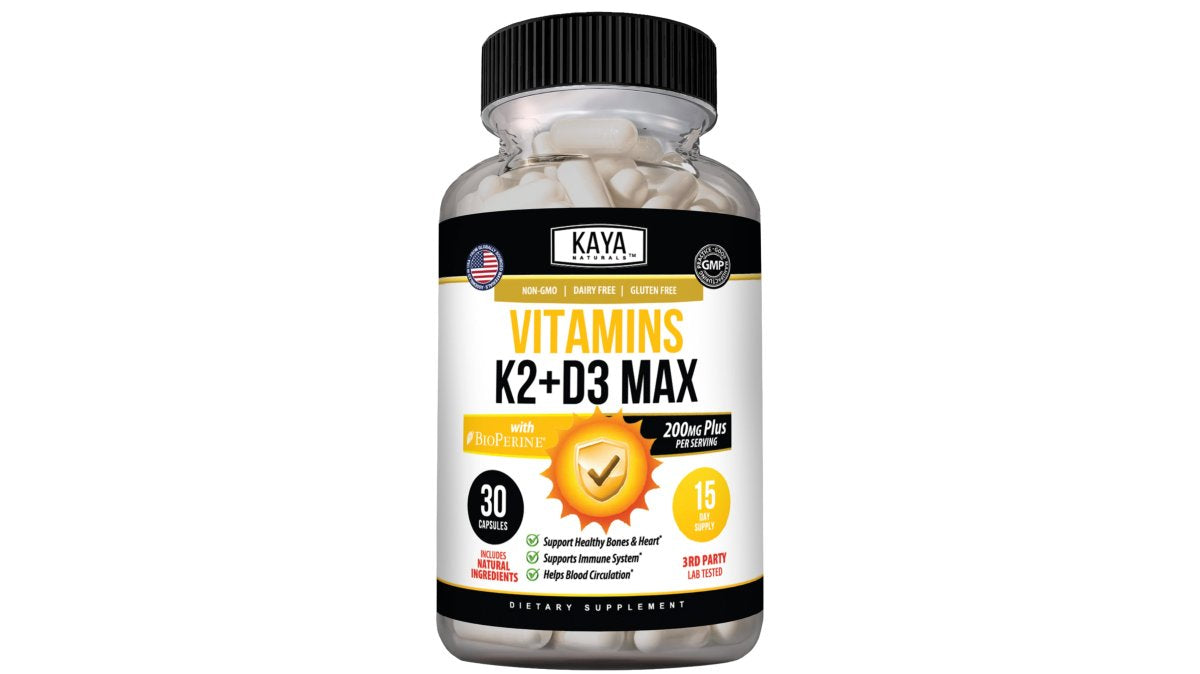
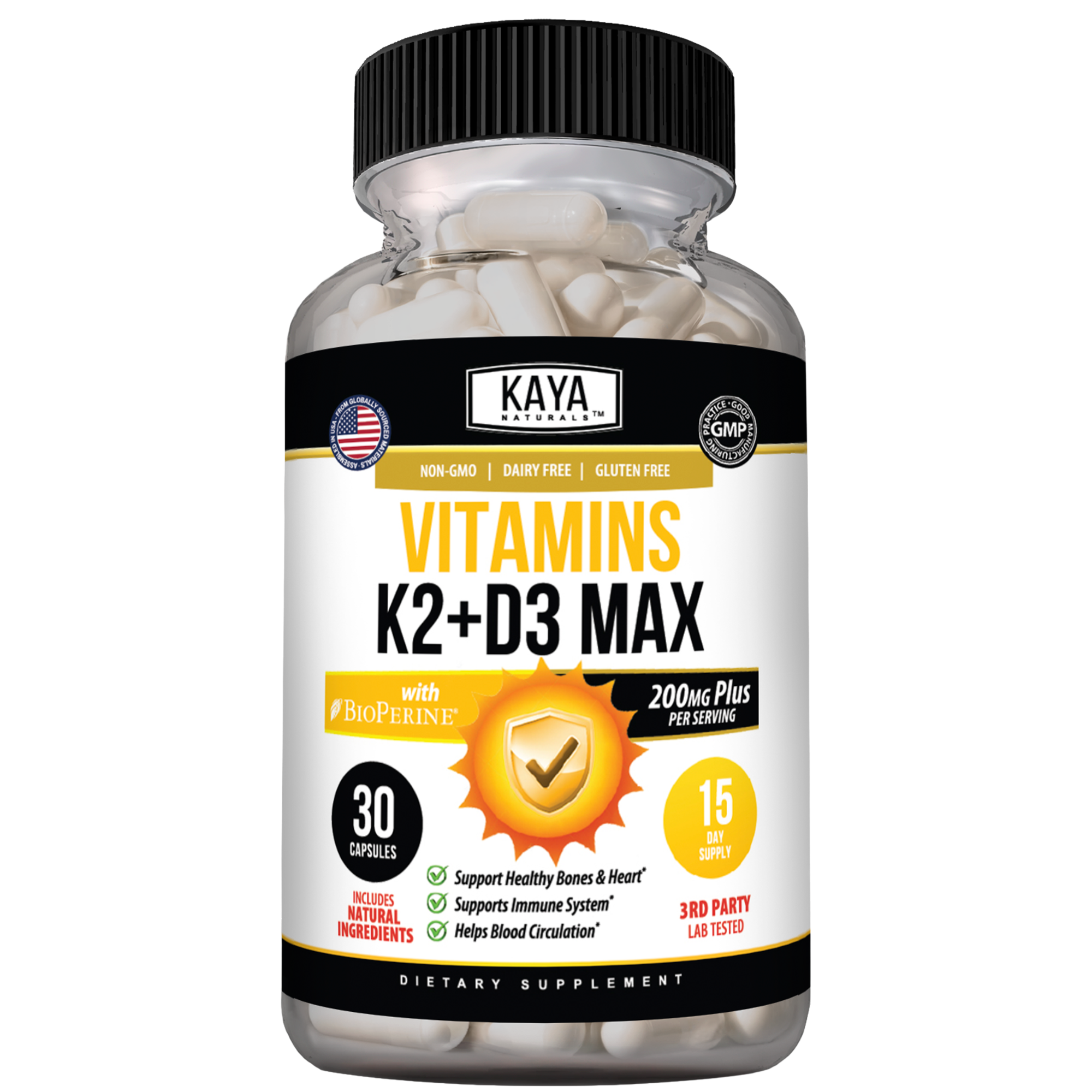
If you want a combined option, our Vitamin K2 + D3 Max pairs vitamin D3 with K2 for bone and heart wellness support.
Best Time to Take Calcium and Vitamin D
Vitamin D is fat-soluble, so taking it with a meal that contains some fat is commonly recommended. Taking both with your largest meal can make the habit easier to keep.
- Consider splitting large calcium doses. Smaller amounts are generally absorbed more readily, so spreading calcium across the day is a common approach.
- Take vitamin D with fat. Meals containing some fat are commonly recommended for vitamin D.
- Note the calcium type. Calcium carbonate is typically taken with food, while calcium citrate can be taken with or without food. Check with a healthcare professional for guidance on your situation.
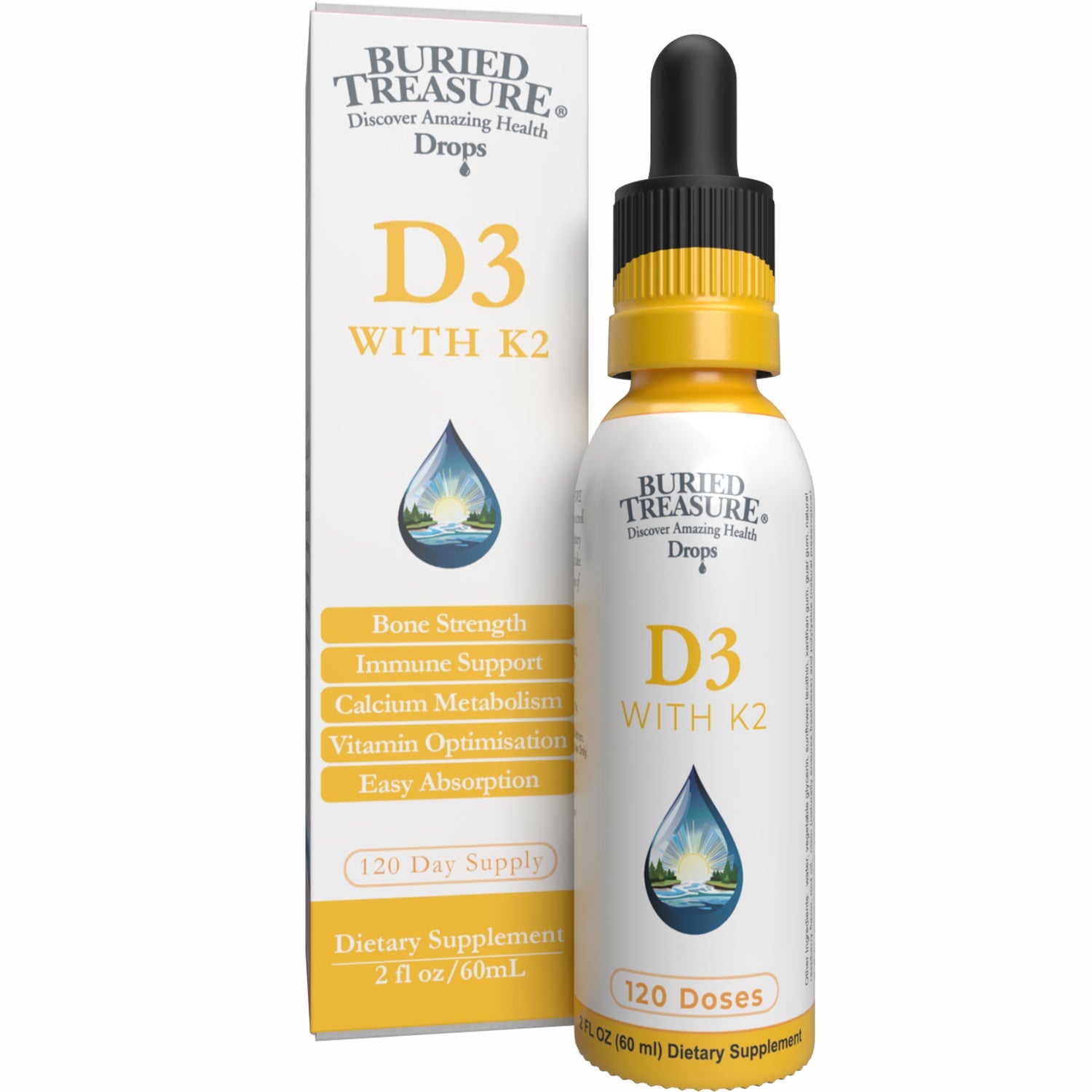
If you prefer a liquid format, our Buried Treasure D3 + K2 Liquid Drops use an unflavored MCT oil base. For food-first readers, our list of foods high in vitamin D and calcium can help you plan meals.
Taking a large calcium dose on an empty stomach, especially calcium carbonate, may cause stomach discomfort for some people. Taking it with food is commonly suggested.
| Situation | What to do | Why it helps |
|---|---|---|
| Taking calcium carbonate | Take with a meal | Needs stomach acid to dissolve |
| Taking calcium citrate | Any time, with or without food | Absorbs well either way |
| Large calcium dose | Split into two smaller doses | Better absorption, less stomach upset |
| Vitamin D | Take with a fat-containing meal | Fat-soluble, absorbs better with fat |
Sorting out your calcium and vitamin D routine doesn't have to be a guessing game. At JordanWellnessCo, we stock combined D3 and K2 options like our Vitamin K2 + D3 Max and liquid drops, so you can cover the vitamin D side without juggling bottles. Our one-stop shop brings supplements, fitness gear, and self-care essentials together in one place, making it easier to build a routine that sticks. Get started with JordanWellnessCo and build a simpler daily wellness routine today.
Frequently Asked Questions
Can you take vitamin D and calcium at the same time?
Yes. Vitamin D helps your body absorb calcium, so taking them together is generally considered appropriate for most adults. Many adults take both with a meal that contains some fat, which is commonly recommended for vitamin D. If you take a combined supplement, check the label so you do not double up on either nutrient. People with kidney disease, high blood calcium, or those taking certain medications should ask a healthcare professional before starting.
Should calcium and vitamin D be taken with food?
Taking them with a meal is commonly recommended. Calcium carbonate is typically taken with food, and vitamin D is fat-soluble, so a meal with some fat is generally suggested. Calcium citrate can be taken with or without food. Consult a healthcare professional about the right choice for your situation.
How much calcium and vitamin D should adults take daily?
Calcium and vitamin D needs vary with age, sex, diet, and sun exposure. For current recommended intake figures, check the official NIH Office of Dietary Supplements fact sheets. Your needs may be higher if you have limited sun exposure, darker skin, or a condition that affects absorption. A healthcare professional can check your levels and adjust the dose.


