
Table of Contents
- How We Ranked These Herbal Brands
- Top 10 Herbal Brands Compared
- Herbal Medicine List and Uses to Match With Your Brand
- How to Choose Herbal Supplements for Your Needs
- Herbal Supplement Quality and Testing: What to Verify
- Starting Your Herbal Routine at JordanWellnessCo
- Frequently Asked Questions
Last Updated: November 10, 2026
Choosing among herbal brands is harder than it looks, and the label rarely tells you enough. JordanWellnessCo has put together this guide to help you judge herbal brands on quality, value and fit, so you can spend your money on products that match what you actually need. Below, we show how we approached the ranking, walk through the herbs in our own range, and explain what to verify before you buy.
The short answer is that the best herbal brand for you depends on the format you want, the herbs you are after and how much you are willing to spend per month. Our catalogue spans single-herb tinctures, multi-herb blends, capsules, loose-leaf teas and a liquid wellness formula, which makes it easier to compare like with like. Read on for the full picture.
Our pick for a simple starting point is the Ashwagandha single-herb tincture at $26.99, which is a single herb with a clear focus. For a multi-herb format, the Organic Herbal Wellness Formula at $29.50 combines 17 botanicals in one liquid.
How We Ranked These Herbal Brands
Most herbal brand rankings rely on popularity, search volume or whichever brand paid for placement, and none of those signals tell you whether the bottle contains what the label says. Our approach was to evaluate each listing against a fixed set of criteria, then compare products only within the same format. For more on judging supplement quality before you buy, see How To Choose High Quality Supplements.
We scored each product on four questions. First, does the label name every ingredient, including the botanical name (for example, Withania somnifera for ashwagandha or Urtica dioica for nettle)? A label that lists only a common name leaves room for substitution, so we treated full botanical naming as a baseline. Second, does the listing state the sourcing claim clearly, such as organic, wildcrafted or unspecified? Vague language like "natural" or "pure" earned no credit. Third, is the serving size and suggested use stated, so the cost per serving can be worked out? Fourth, does the brand disclose any third-party testing or certificates of analysis, or at least say that such testing exists?
We then sorted the range by format: liquid tinctures against other tinctures, capsules against capsules, and loose or bagged teas against teas. A $60 capsule container and a $12.95 loose tea are not competing for the same buyer, so ranking them on a single price scale would mislead. Within each format, we considered price per serving first and ingredient transparency second.
What we did not do matters too. We did not weight brand recognition, customer review volume or affiliate arrangements, because none of them show what is in the product. We also did not verify each brand's manufacturing facility or run our own laboratory tests, so the rankings reflect what the labels and listings disclose rather than independent chemical analysis. If you want to challenge the order, the criteria above are the place to start, and you can apply them to any brand's label yourself.
Watch out: a brand that publishes a long ingredient list without quantities or botanical names is harder to assess than a shorter, fully specified label, so do not treat length as a sign of quality.
Top 10 Herbal Brands Compared
The table below summarises the items in our current range, with starting prices and the format each one comes in.
| Product | Format | Starting Price | Best For |
|---|---|---|---|
| Ashwagandha | Liquid tincture | $26.99 | Stress support, single-herb use |
| Allergy Season | Tincture | $30.00 | Seasonal allergy preparation |
| Botanical Wellness Capsules | Capsules | $60.00 | Convenient daily herbal routine |
| Women's Herbal Wellness Tincture | Liquid tincture | $26.99 | Plant-based daily routine |
| Ginseng Five Treasure Tea | Tea bags | $65.00 | Herbal tea ritual |
| Chicory Tea Co. Moonbeam Herbal Tea | Loose tea | $12.95 | Evening wind-down |
| Vahdam Teas Chamomile Mint Citrus | Loose tea | $34.99 | Calming daytime cup |
| Traditional Botanical Herbal Blend | Capsules or tea | $18.00 | Flexible format |
| Calm & Balance Herbal Blend | Loose tea or capsules | $20.00 | Relaxation support |
| Organic Herbal Wellness Formula | Liquid | $29.50 | Multi-herb daily formula |
Starting Price
Ashwagandha is a single-herb tincture built around Withania somnifera. It suits readers who want to try one herb at a time, and it comes in a pump-top bottle. At $26.99 it is one of the more accessible entry points in the range.
Allergy Season is a blend of nettle, ginkgo, goldenrod and licorice root in a vegetable glycerin base, sold at $30.00. The listing suggests beginning it one to two months before allergy season.
Botanical Wellness Capsules combine organic bitter melon and Oregon grape root in capsule form at $60.00. You can see the herbal blend capsule formula on its own product page. The listing states a 60-capsule container, which is roughly a 20-day supply at the suggested dose.
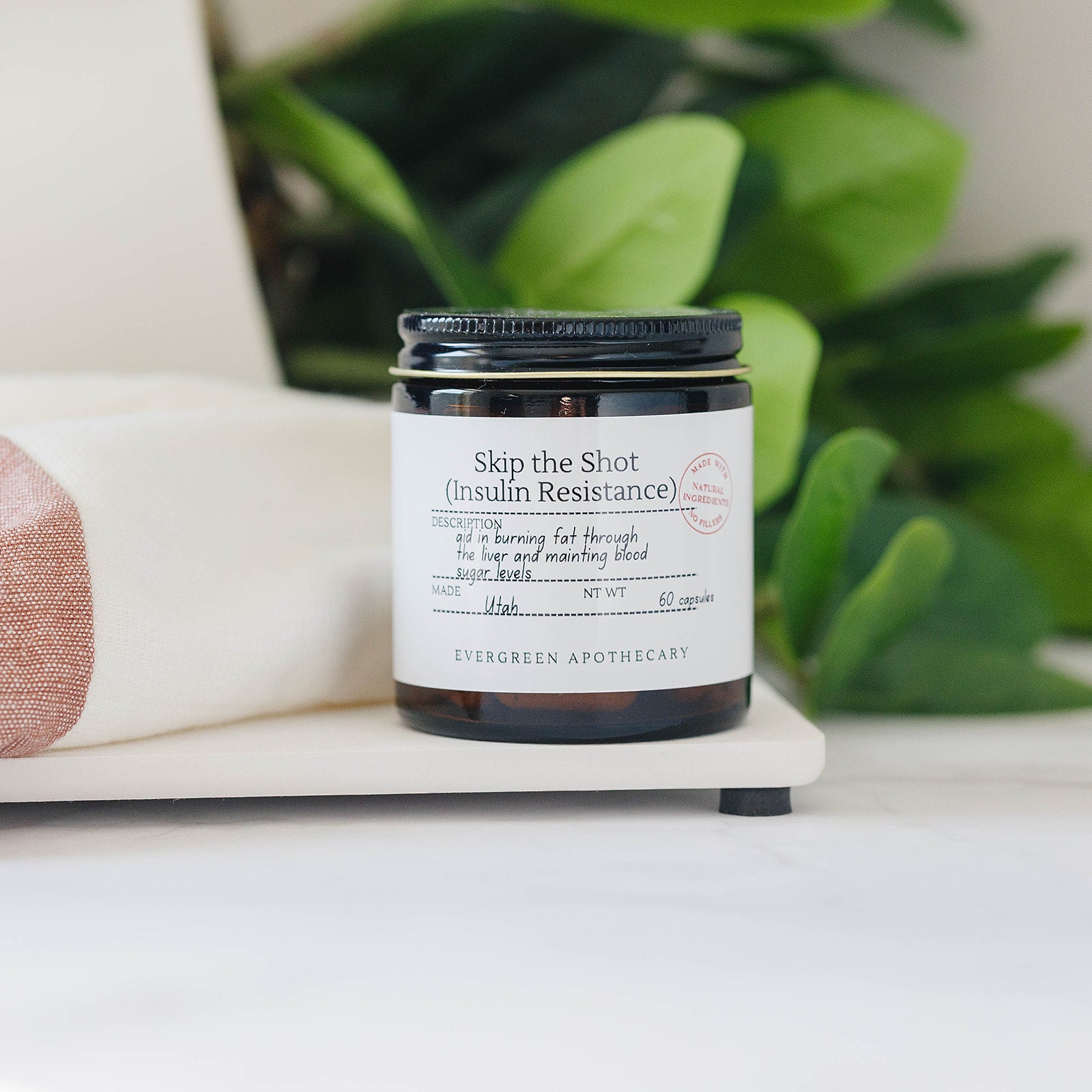
Women's Herbal Wellness Tincture combines cramp bark, black cohosh and wild yam root in a vegan, gluten-free liquid at $26.99.
Ginseng Five Treasure Tea is a tea-bag product sold at $65.00. It is the highest-priced item in the range, so it is worth comparing its format and price against the loose teas before committing.
Chicory Tea Co. Moonbeam Herbal Tea is a certified organic loose-leaf blend of lavender, chamomile and oatstraw at $12.95. It is the lowest-priced item in the range.
Vahdam Teas Chamomile Mint Citrus is a loose herbal blend of chamomile, mint and citrus at $34.99. It is a refreshing option.
Traditional Botanical Herbal Blend is available as capsules or loose tea at $18.00, which makes it one of the more flexible products if you are not sure which format you prefer.
Calm & Balance Herbal Blend comes as loose-leaf tea or 60 capsules at $20.00. The capsule version combines ashwagandha, lemon balm, passionflower, holy basil and chamomile.
Organic Herbal Wellness Formula is a 17-ingredient liquid at $29.50, available in 16 fl oz and 32 fl oz sizes. It is a multi-herb option with a longer ingredient list.
Watch out: a long ingredient list makes a formula harder to evaluate. If you cannot tell which herb is doing what, start with a single-herb product so you can judge how your body responds.
Herbal Medicine List and Uses to Match With Your Brand
Matching a herb to a goal is the most practical way to choose. Ashwagandha appears as a single product and as part of the Calm & Balance and Organic Herbal Wellness Formula blends. Nettle and goldenrod appear in the Allergy Season tincture. Chamomile, lavender and oatstraw appear in the teas. For a practical guide to herbal tea for digestive health, see herbal tea for digestive health. If you want more depth on related supplement options, see best probiotic strains for women.
The Organic Herbal Wellness Formula lists ginger and fenugreek among its botanicals. If you are unsure which herb suits you, reading the ingredient list and matching it to your goal is a sound place to start.
How to Choose Herbal Supplements for Your Needs
Start with the format. Tinctures and liquids are easy to adjust, capsules are measured and convenient, and teas suit a slower, ritual-based routine. Next, decide whether you want one herb or a blend. Single herbs make it easier to see what you are taking, while blends combine several ingredients in one product.
Then check the practical details: the serving size, the cost per serving and whether the product is alcohol-free if that matters to you. Compare the price per serving rather than the price per bottle, since a $60 capsule container and a $26.99 tincture can cover very different numbers of doses.
Finally, read the safety notes. Several of our listings advise consulting a healthcare professional if you are pregnant, nursing, taking medication or managing a medical condition. To compare how different wellness shops stack up, read the Holistic Wellness Shop vs Wholifeco comparison. Take those warnings seriously.
Consider starting with one product for a set period, note how you feel, and then decide whether to continue.
Herbal Supplement Quality and Testing: What to Verify
Quality is the question most buyers struggle to answer from a product page, mainly because the testing that matters is rarely summarised on the label. Three kinds of checks are worth knowing about, and each answers a different question.
Identity testing checks whether the plant material matches the herb the label names. Purity testing looks for contaminants such as heavy metals, pesticide residues and microbial load. Potency testing measures the amount of active compounds. A product can pass one check and fail another, so a single test result does not settle the question.
A certificate of analysis (COA) for the specific batch you are buying is one useful document to look for. A usable COA names the batch or lot number, the testing laboratory, the test method and the result against a stated limit. If a brand cannot tell you which lab tested a batch, or offers only a glossy summary with no batch number, treat that as a gap rather than a reassurance.
For third-party verification, look for a recognised programme rather than a logo on the page. In the United States, organisations such as the United States Pharmacopeia (USP) and NSF International run supplement verification programmes. Their marks, where present, indicate the product was checked against published standards for the tested batch. They do not confirm that a herb is effective for any purpose.
You can also check the regulatory notice that appears on most dietary supplement labels. It states that the Food and Drug Administration has not evaluated the statements, and that the product is not intended to diagnose, treat, cure or prevent any disease. That notice is standard for supplements sold in the United States.
Watch out: a brand that makes disease-treatment claims alongside a seal or a reference to "lab-tested" is not giving you a reason for confidence, so weigh the claims and the evidence separately.
Starting Your Herbal Routine at JordanWellnessCo
Begin with a single product that matches a clear goal, such as the Ashwagandha tincture or the Chicory Tea Co. Moonbeam tea. Use it as directed on the label before adding anything else. If you want a broader daily formula, the Organic Herbal Wellness Formula is a good next step once you know how you respond to single herbs.
JordanWellnessCo is a one-stop destination for supplements, teas and self-care essentials, so you can compare formats and prices in one place. Explore the full range, check each label against the guidance above, and choose the product that fits your routine. Shop now.
Frequently Asked Questions
What are the most trusted herbal brands?
Look for brands that list every ingredient with its botanical name, state the plant part used, and disclose sourcing. Check each product's label before you buy.
What are the top 10 herbal companies?
A top 10 list depends on the criteria you weigh most, such as ingredient transparency, product range, format options and price. JordanWellnessCo offers tinctures, capsules, loose-leaf teas and liquid blends, with prices from $12.95 to $65.00.
What should you look for when buying herbal supplements?
Start with the ingredient list: the botanical name, the plant part and the form all matter. Check the format (tincture, capsule, tea or liquid) against how you plan to use it, read the suggested use and any cautions, and confirm whether the product has been independently tested. Consult a healthcare professional before use if you are pregnant, nursing, taking medication or managing a health condition.
Are herbal supplements safe to take every day?
Safety depends on the specific herb, the dose, how long you take it and your health history. Some herbs interact with blood thinners, sedatives or other medications, and many labels advise against long-term use without professional guidance. Follow the suggested use on the label and talk to your healthcare provider before starting a daily routine, especially if you have an existing condition.


