

Last Updated: November 9, 2026
Quick Summary
The foods that help with fatigue are leafy greens, nuts and seeds, fatty fish, berries, and complex carbohydrates like oats, beans, and sweet potatoes. Each one supplies nutrients such as iron, magnesium, omega-3s, or fiber that keep blood sugar steady and support energy production. Pair plant iron with vitamin C and keep portions sensible.
- Pair plant iron from greens with vitamin C, like lemon or berries, to improve absorption.
- Keep nuts and seeds to roughly a quarter cup, and choose raw or dry-roasted over roasted and salted.
- Aim for two servings of fatty fish a week; canned sardines or salmon work fine.
- Frozen berries are just as nutritious as fresh and cost less out of season.
- Build afternoon snacks from protein, fiber, and fat, and skip refined sugars.
Table of Contents
- Why You Crash: How Food Affects Your Energy
- 1. Leafy Greens: Iron, Folate, and Magnesium
- 2. Nuts and Seeds: Monounsaturated Fats and Magnesium
- 3. Fatty Fish: Omega-3 Fatty Acids for Cellular Energy
- 4. Berries: Antioxidants and Vitamin C
- 5. Complex Carbohydrates: Oats, Beans, and Sweet Potatoes
- Foods That Give You Energy During an Afternoon Slump
- How to Gain Energy Fast: Meal Timing and Hidden Triggers
- Frequently Asked Questions
Why You Crash: How Food Affects Your Energy
Fatigue after lunch is not a character flaw. It is often linked to blood sugar changes. When you eat a meal heavy in refined carbohydrates, glucose spikes fast, insulin rushes in, and the drop that follows leaves you foggy and heavy. That is the crash. The fix is not more caffeine. It is eating in a way that keeps glucose steady, and the five foods that help with fatigue below all do exactly that.
Many people who eat reasonably well still run out of steam in the afternoon. Common gaps include iron, magnesium, omega-3s, and fiber. We will show you the foods that close those gaps, plus the meal-timing mistakes that undo a good diet.
The five foods we cover are not exotic. They are grocery-store staples.
1. Leafy Greens: Iron, Folate, and Magnesium
Spinach, kale, and Swiss chard carry three nutrients that matter for energy at the same time. Iron supports red blood cells, which carry oxygen to your muscles and brain. Folate helps your body build those cells. Magnesium plays a role in converting food into usable energy.
Low iron is one of the most common reasons people feel tired, especially women. If fatigue has been your normal for months, it is worth reading about the iron deficiency symptoms in women that are easy to miss before you assume you just need more sleep.
Watch out: plant iron is absorbed less efficiently than iron from meat, so pair greens with a source of vitamin C. A squeeze of lemon or a handful of berries does the job.
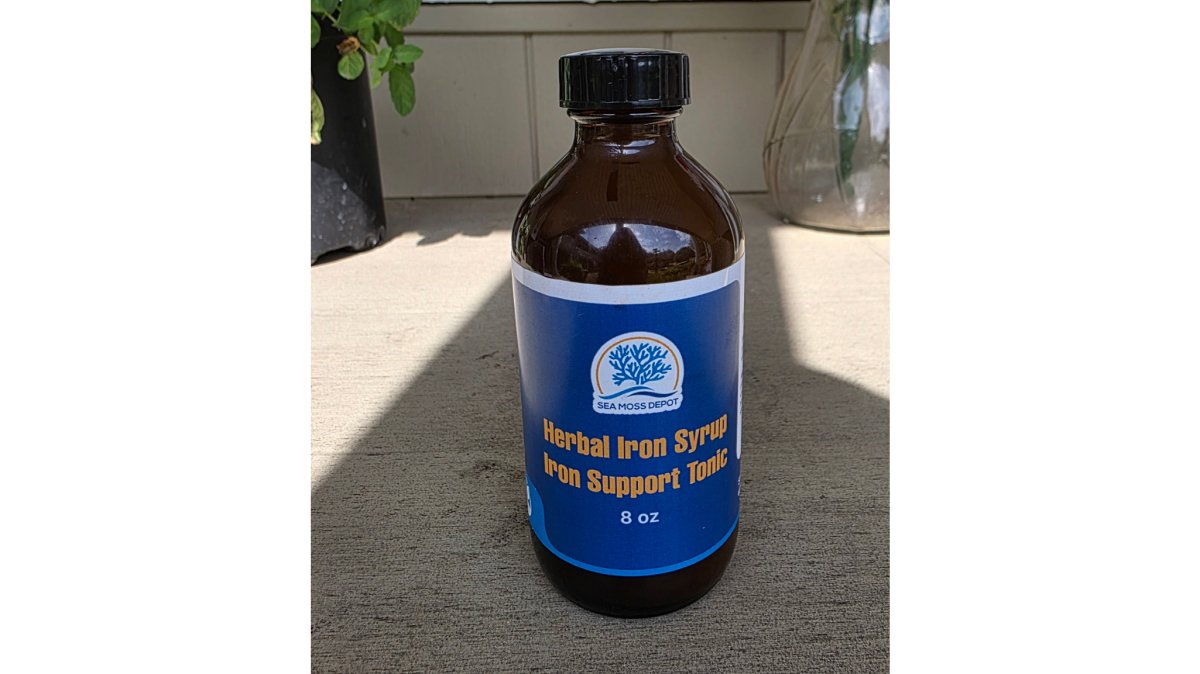
If diet alone is not moving the needle, a herbal iron liquid supplement made with spinach, baobab, and vitamin C is one way to add iron gently.

2. Nuts and Seeds: Monounsaturated Fats and Magnesium
Almonds, pumpkin seeds, and walnuts slow digestion because of their fat and fiber content. That means no glucose spike, no crash. Pumpkin seeds provide magnesium, and walnuts provide omega-3 fatty acids.
The practical move is portion control. A small handful, roughly a quarter cup, is enough. Eating nuts straight from the container at your desk is how a healthy snack becomes a calorie problem.
What most guides miss is that roasted and salted varieties often carry added oils. Raw or dry-roasted is the better choice. For a deeper look at magnesium and sleep, our guide to magnesium supplements for better sleep quality covers dosage and timing.
3. Fatty Fish: Omega-3 Fatty Acids for Cellular Energy
Salmon, sardines, and mackerel supply omega-3 fatty acids, which support the membranes of your cells, including the mitochondria that produce cellular energy. They also deliver B vitamins, including B-12, which is essential for energy metabolism and nervous system function.
A common mistake is skipping fish because it feels like a project to cook. Canned sardines or salmon take two minutes and cost less than most lunches out. Two servings a week is a reasonable target for most adults.
If you do not eat fish, B-12 is the nutrient to watch, since it occurs naturally almost only in animal foods. A B-12 liquid drop is one option to discuss with a healthcare provider.

4. Berries: Antioxidants and Vitamin C
Berries are a source of antioxidants and vitamin C, and they can add vitamin C to plant-based meals. They also offer a naturally sweet option instead of refined sugar.
Blueberries, strawberries, and raspberries all work. Frozen berries are just as nutritious as fresh and cost less out of season. Add a cup to yogurt or oatmeal rather than eating them alone, and the protein and fiber slow the sugar release further.
5. Complex Carbohydrates: Oats, Beans, and Sweet Potatoes
Complex carbohydrates contain fiber, which slows glucose release. Oats, beans, lentils, and sweet potatoes are examples of higher-fiber carbohydrate sources.
This is the food group most fatigue diets get wrong. People cut carbs entirely, feel great for a week, then hit a wall. Beans and oats also contain fiber that gut bacteria can use.
| Food | Key Nutrients | Best Time to Eat | Watch Out For |
|---|---|---|---|
| Leafy greens | Iron, folate, magnesium | Lunch or dinner | Pair with vitamin C for absorption |
| Nuts and seeds | Magnesium, monounsaturated fats | Mid-morning snack | Keep to a quarter cup |
| Fatty fish | Omega-3s, B-12 | Lunch | Canned versions are fine |
| Berries | Antioxidants, vitamin C | Breakfast or dessert | Skip added sugar |
| Oats, beans, sweet potatoes | Fiber, complex carbs | Breakfast or lunch | Portion size matters |
Foods That Give You Energy During an Afternoon Slump
The best foods that give you energy during an afternoon slump are the ones that combine protein, fiber, and fat, and skip refined sugars. Think an apple with almond butter, Greek yogurt with berries, or a hard-boiled egg with a few crackers. But the reason these work is worth understanding, because it changes how you build the snack.
An afternoon slump can reflect a natural dip in your daily rhythm and changes in blood sugar after lunch. Snacks that combine protein, fiber, and fat tend to digest more slowly.
A practical approach is to combine a moderate amount of protein, some fiber, and a source of fat in a snack. Examples that hit the mark:
- Greek yogurt (plain, 1 cup): about 20 grams of protein, plus calcium and probiotics. Add a half cup of berries for fiber and vitamin C.
- Apple with 2 tablespoons of almond butter: fiber from the apple, fat and magnesium from the almond butter, roughly 7 grams of protein.
- Hard-boiled egg with whole-grain crackers: about 6 grams of protein per egg, plus fiber from the crackers.
- Edamame (1 cup, shelled): about 18 grams of protein and 8 grams of fiber, one of the few snacks that is both high-protein and high-fiber without added sugar.
- Cottage cheese (1/2 cup) with pumpkin seeds: about 14 grams of protein and a magnesium hit from the seeds.
The mistake is reaching for a granola bar or a sweet coffee drink. Both spike glucose and set up the next crash an hour later. Sweetened coffee drinks can contain a significant amount of sugar.
Watch out: "protein bars" are not automatically better. Check the label for added sugars and protein content.
For something portable, a cordyceps energy gummy is one option to consider.
How to Gain Energy Fast: Meal Timing and Hidden Triggers
If you want to know how to gain energy fast, start with timing before you change what you eat. Your body runs on a circadian rhythm, and it handles glucose best earlier in the day. A carb-heavy dinner at 9 p.m. is far more likely to leave you groggy at 7 a.m. than the same meal at noon. Most energy guides tell you what to eat and skip this entirely, which is why people who eat all the right foods still crash.
Meal timing can matter for how the body handles glucose, and some people find that eating larger meals earlier in the day and a lighter dinner feels better.
Some people find that a fiber-rich diet with fermented foods such as plain yogurt, kefir, sauerkraut, and kimchi fits well with their routine. If fatigue persists, it is worth discussing with a healthcare provider.
Three hidden triggers worth auditing:
- Coffee before food. Some people find it helpful to eat a protein-containing breakfast before coffee.
- A lunch with no protein. Salad alone will not hold you past 2 p.m. Including a protein source such as fish, chicken, tofu, or beans at lunch can help you feel fuller for longer.
- Skipping water. Mild dehydration reads as tiredness before it reads as thirst. Drinking enough water throughout the day supports alertness.
A fourth trigger is less obvious: food sensitivities. If you notice brain fog or fatigue within a few hours of eating a specific food, such as gluten or dairy, keep a simple food-and-symptom log for two weeks. You do not need to eliminate entire food groups on a guess; the log will show whether a pattern exists.
Eat protein at breakfast, keep lunch balanced, and finish your last large meal a few hours before bed. Small changes, compounding daily. If you want a shortlist of supplements that support the same goal, our roundup of the best natural supplements for daily energy covers what to look for.
For a convenient daily option, consider our Best Energy Blend, a blend of vitamins and botanicals.

Fatigue rarely has one cause, and it rarely has one fix. The work is in the pattern: steady glucose, enough iron and magnesium, protein at every meal, and a rhythm your body can predict. That is the approach we take at JordanWellnessCo, where our supplements, fitness gear, and self-care essentials are curated to support a routine you can actually keep. Start with one change this week, then build from there.
Frequently Asked Questions
What can I eat to get rid of fatigue?
Start with a combination of complex carbohydrates, lean protein, and a source of iron or magnesium. A bowl of oats with nuts and berries, or a spinach salad with chickpeas and olive oil, gives you steady glucose release plus the micronutrients involved in energy metabolism. Many people find that choosing whole foods in place of refined sugars and extra caffeine feels better. If tiredness persists for weeks, ask a healthcare provider to check iron, B12, and thyroid levels.
What should I drink to stop fatigue?
Water first. Even mild dehydration affects cognitive function and is a common hidden fatigue trigger. Add a pinch of salt and a squeeze of citrus if you sweat heavily, since electrolyte balance matters for hydration. Green tea offers a gentler caffeine curve than coffee, and it comes with L-theanine, which softens the jittery edge. Sugary energy drinks are high in added sugar, so they are worth limiting.
What am I lacking if I am so tired?
The most common nutrient gaps linked to fatigue are iron, vitamin B12, vitamin D, and magnesium. Iron deficiency is especially common in menstruating women and vegans, and it reduces oxygen transport, which shows up as persistent tiredness. Low B12 affects energy metabolism and nerve function. Only a blood test can confirm a deficiency, so treat supplements as a response to a confirmed gap rather than a guess.
Are there specific foods that help with chronic fatigue?
No single food treats chronic fatigue, but dietary patterns matter. Stable blood sugar levels, fiber-rich whole foods, omega-3 fatty acids, and adequate protein support energy metabolism day to day. Some people find that meal timing aligned with circadian rhythm helps, and some people find that digestive comfort affects how they feel. Discuss persistent fatigue with a qualified professional before changing your diet dramatically.
How does diet impact daily energy levels?
Diet affects energy through blood sugar regulation, nutrient availability, and digestion speed. Refined sugars cause rapid glucose spikes and insulin surges, which often end in an afternoon slump. Fiber-rich meals with complex carbohydrates release glucose slowly. Pairing carbohydrates with protein and fat further flattens the curve. Micronutrients like iron, B vitamins, and magnesium support the cellular energy pathways that turn food into usable fuel.


