Last Updated: November 2, 2026
Quick Summary
Iron deficiency in women causes fatigue, pale skin, shortness of breath, headaches, hair thinning, brittle nails, restless legs, feeling cold, and a sore tongue. Symptoms develop slowly and often get dismissed as stress or a busy schedule. Women are at higher risk than men, largely because of menstrual blood loss.
- Persistent fatigue that does not lift after sleep is the most common iron deficiency symptom.
- A normal hemoglobin result does not rule out iron deficiency, since ferritin can fall first.
- Heavy menstrual bleeding is a common driver of iron deficiency in premenopausal women.
- Pair plant iron sources with vitamin C and keep tea and coffee away from iron-heavy meals.
- Seek urgent care for chest pain, fainting, or severe breathlessness rather than self-treating.
Table of Contents
- Why Iron Deficiency Symptoms in Women Get Missed
-
9 Iron Deficiency Symptoms in Women to Watch For
- 1. Fatigue, Weakness, and a Lack of Energy
- 2. Pale or Sallow Skin
- 3. Shortness of Breath and a Fast Heartbeat
- 4. Headaches, Irritability, and Brain Fog
- 5. Hair Thinning and Hair Loss
- 6. Brittle or Spoon-Shaped Nails
- 7. Restless Legs
- 8. Feeling Cold and Muscle Cramps
- 9. Sore Tongue, Mouth Cracks, and Unusual Cravings
- Unusual Signs of Iron Deficiency Most Women Dismiss
- Low Ferritin Symptoms in Women: When Stores Run Down
- What Causes Low Iron in Women Across Life Stages
- Iron-Rich Foods for Women and How to Absorb More
- Testing, Symptom Overlap, and When to Get Care
- Building Your Iron Support Routine with JordanWellnessCo
- Frequently Asked Questions
Why Iron Deficiency Symptoms in Women Get Missed
Iron deficiency symptoms in women are easy to miss because they arrive slowly and blend into ordinary life. Tiredness is often chalked up to a busy schedule, pale skin blamed on winter, and breathlessness explained away as being out of shape. Iron deficiency is the condition of having insufficient iron to support normal red blood cell production, and iron-deficiency anemia is the more advanced stage where hemoglobin levels fall below normal. The difference matters, and we will return to it.
According to the Office on Women's Health, women are at higher risk than men, largely because of menstrual blood loss. That single fact explains why so many symptoms get dismissed: they develop gradually, and women often normalize them.
Below, we walk through nine symptoms worth watching, the unusual signs most women ignore, and what to do next.
9 Iron Deficiency Symptoms in Women to Watch For
These nine symptoms are the ones we see discussed most often, roughly in order of how commonly they appear.
1. Fatigue, Weakness, and a Lack of Energy
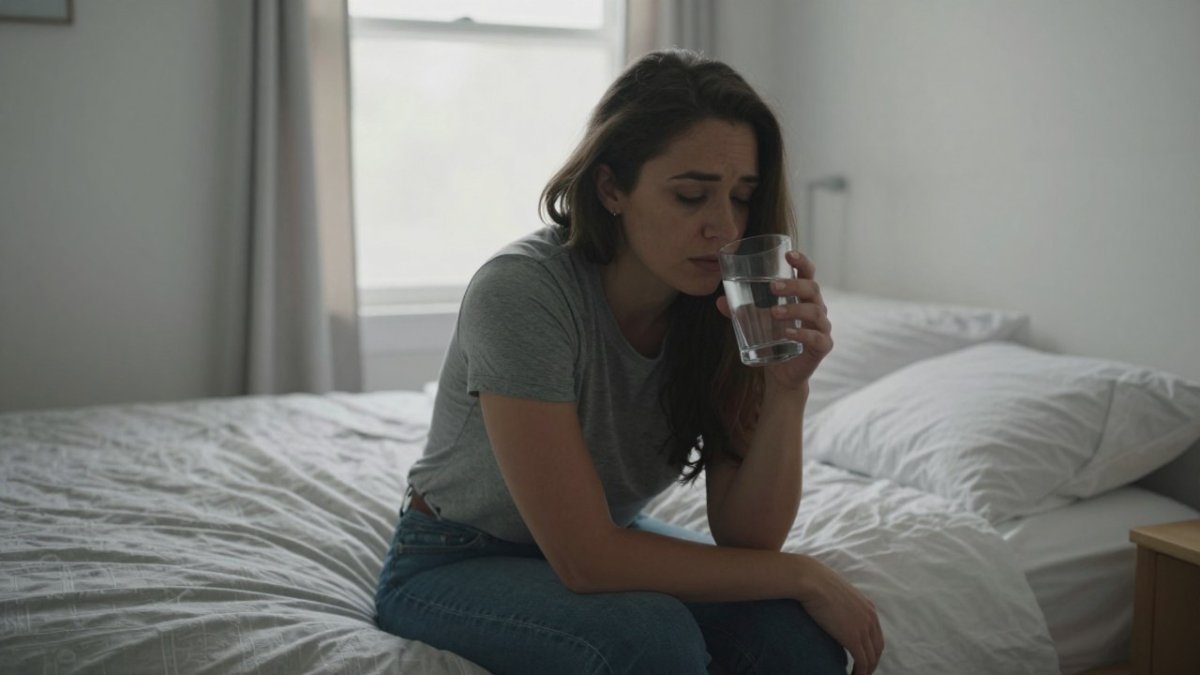
Persistent fatigue is the most common iron deficiency symptom, and the most easily explained away. This is not ordinary end-of-day tiredness. It is a heaviness that does not lift after sleep, paired with weakness in the legs or arms during routine activity. Iron is essential for carrying oxygen through the blood, so low iron means less oxygen reaching your muscles and brain. If low energy is your main concern, you can explore natural supplements for daily energy.
2. Pale or Sallow Skin
Pale skin, especially in the face, lips, and inside the lower eyelid, is a classic sign. Sallow skin with a yellowish or grayish undertone can also appear. Hemoglobin gives blood its color, so when levels drop, the skin reflects it. A common mistake is judging this under artificial bathroom lighting; natural daylight tells a more accurate story.
3. Shortness of Breath and a Fast Heartbeat
Breathlessness climbing stairs or during light activity, plus a noticeable heartbeat or palpitations, points to your body working harder to move oxygen. Watch out: chest pain with breathlessness warrants prompt medical attention rather than a supplement.
4. Headaches, Irritability, and Brain Fog
Headaches, irritability, poor mood, and brain fog are frequently reported. Reduced oxygen delivery affects concentration and mood regulation. These symptoms overlap heavily with stress and poor sleep, which is exactly why they get missed.
5. Hair Thinning and Hair Loss
Hair thinning and increased shedding can signal low iron stores. Iron supports cell division in hair follicles, and when supply runs short, the body prioritizes essential functions. A common mistake is treating hair loss as purely cosmetic before checking iron levels.
6. Brittle or Spoon-Shaped Nails
Brittle nails that chip easily, or spoon-shaped nails with a concave dip, are visible markers. Nail changes develop slowly, so compare against photos from a year ago rather than guessing.
7. Restless Legs
An urge to move the legs, worse in the evening or at rest, is a recognized association with low iron. Many women describe it as a crawling sensation they cannot quite explain.
8. Feeling Cold and Muscle Cramps
Feeling cold when others are comfortable, along with muscle cramps, reflects reduced circulation and oxygen transport. If you are always reaching for a sweater, it is worth noting.
9. Sore Tongue, Mouth Cracks, and Unusual Cravings
A sore or smooth tongue, cracks at the corners of the mouth, and pica (cravings for non-food items like ice or dirt) are less obvious signs. Craving ice is common enough that clinicians often ask about it directly.
Unusual Signs of Iron Deficiency Most Women Dismiss
The unusual signs of iron deficiency rarely make it into casual conversation, which is why they slip past. Pica tops the list: cravings for ice, chalk, or paper sound strange until you learn they are a recognized pattern. Cracks at the mouth corners and a sore, smooth tongue are similarly overlooked. Dizziness on standing and unusual breathlessness during conversation also belong here. None of these confirm anything on their own. They are clues worth writing down.
Low Ferritin Symptoms in Women: When Stores Run Down
Low ferritin symptoms in women appear before anemia does, and that timing is the part most guides skip. Iron deficiency develops in stages. First, iron stores in the liver, spleen, and bone marrow are drawn down; ferritin, the protein that stores iron, falls while hemoglobin stays normal. This is iron depletion, sometimes called low iron stores without anemia.
That staging explains a frustrating pattern many women describe: they feel exhausted, shed hair, and struggle through workouts, yet a routine complete blood count comes back "normal." Hemoglobin can remain in range while ferritin is already low. A normal hemoglobin result does not rule out iron deficiency, and it does not tell you anything about the size of your reserves.
Symptoms that tend to show up with low stores, before anemia, include:
Herbal Iron Liquid Supplement | Natural Vegan Iron Boost for Energy, Vitality →
- Fatigue and poor exercise tolerance that do not match your sleep or training load
- Increased hair shedding and slower hair regrowth
- Brain fog, irritability, and difficulty concentrating
- Restless legs, especially in the evening
- Feeling cold when others are comfortable
- Brittle nails and slower recovery between workouts
Watch out: these symptoms are nonspecific. Thyroid disease, sleep apnea, depression, vitamin B12 deficiency, and chronic inflammation can produce an almost identical picture, and ferritin itself rises with inflammation, so a "normal" ferritin during illness can still hide low iron stores. That is why clinicians often pair ferritin with a complete blood count, transferrin saturation, and sometimes C-reactive protein rather than reading one number in isolation.
A practical takeaway: if your symptoms fit but your hemoglobin looks fine, ask specifically whether ferritin and transferrin saturation were checked, and ask for the actual numbers rather than a "normal" summary. Reference ranges vary by lab, and a result at the low end of normal is worth discussing with your clinician in the context of your symptoms.
What Causes Low Iron in Women Across Life Stages
What causes low iron in women changes with age, and that is the part generic advice misses. Rather than one flat list, it helps to walk through the stages where iron demand and iron loss shift.
The reproductive years. Heavy menstrual bleeding is a common driver of iron deficiency in premenopausal women, and many women do not realize their periods are heavier than typical. Fibroids, endometriosis, and bleeding disorders are common underlying reasons.
Pregnancy. Blood volume expands substantially during pregnancy, and the fetus draws iron for its own development, so iron demand rises sharply.
Postpartum recovery and breastfeeding. Blood loss at delivery, plus the iron transferred into breast milk, keeps demand elevated after birth.
Perimenopause. Cycles often become irregular and sometimes heavier before they stop, so blood loss can increase even as menopause approaches. Persistent low iron during this transition deserves a closer look rather than being assumed to be hormonal.
After menopause. Once periods stop, blood loss usually falls, so ongoing iron deficiency is less expected.
Across every stage. Low iron intake, vegetarian or vegan diets without planning, and poor absorption from celiac disease, gastric surgery, or long-term acid suppression round out the list. So does frequent blood donation and endurance training, both of which increase losses.
A useful way to use this section: locate yourself on the timeline, note which losses apply to you, and bring that context to your appointment. It turns a vague complaint of tiredness into a specific question your clinician can act on.
Iron-Rich Foods for Women and How to Absorb More
Iron-rich foods for women fall into two camps. Heme iron from meat, poultry, and fish absorbs efficiently. Non-heme iron from spinach, lentils, beans, fortified cereals, and pumpkin seeds absorbs less well but still counts. Pair plant sources with vitamin C, such as citrus, bell peppers, or tomatoes, to improve uptake. Keep tea and coffee away from iron-heavy meals, since tannins interfere. For a drinkable option, our Blood Builder Tea blends sarsaparilla, burdock, and blue vervain root.

Testing, Symptom Overlap, and When to Get Care
Testing is the only way to confirm iron deficiency. A complete blood count with ferritin is the standard starting point, and your clinician interprets results against your symptoms and history. Symptom overlap matters: fatigue and brain fog also accompany thyroid conditions, sleep apnea, and depression. Seek urgent care for chest pain, fainting, or severe breathlessness. Otherwise, book a visit and bring a symptom log. The National Heart, Lung, and Blood Institute outlines how anemia is diagnosed and classified.
Building Your Iron Support Routine with JordanWellnessCo
A routine beats a one-off purchase. Track symptoms for two weeks, get tested, then build support around your results. Our Herbal Iron Liquid Supplement combines plant-based iron with vitamin C and B-complex vitamins in a liquid format. The Anemia Support Bundle pairs herbal iron syrup with Blood Builder Tea. For structure, our guide to building a cohesive wellness routine shows how to fit iron support alongside everything else.


Frequently Asked Questions
What are five unusual signs of iron deficiency in women?
Beyond fatigue, women may notice brittle or spoon-shaped nails, hair thinning, restless legs at night, a sore or smooth tongue, and cracks at the corners of the mouth. Unusual food cravings for ice, dirt, or starch, known as pica, are another sign. Feeling cold when others are comfortable and muscle cramps also appear on the unusual signs of iron deficiency list. None of these confirm low iron on their own, so ask your clinician about blood tests if several apply to you.
What causes low iron in women?
Heavy menstrual bleeding is a leading cause, along with pregnancy and blood loss during childbirth. Low iron intake, poor absorption, and diets that skip iron-rich foods for women also contribute. Some women lose iron through gastrointestinal bleeding or absorb it poorly because of gut conditions. Because what causes low iron in women varies by life stage, a clinician will usually ask about periods, pregnancies, diet, and digestion before ordering tests.
How is iron deficiency diagnosed in women?
Diagnosis starts with blood tests. A complete blood count shows hemoglobin and red cell size, while a ferritin test reflects iron stores. Low ferritin symptoms in women can appear before hemoglobin drops, so ferritin matters even when anemia tests look normal. Clinicians may also check transferrin saturation and, in some cases, order tests to find the source of blood loss. Symptoms alone cannot confirm iron deficiency, so testing is the deciding step.
When should a woman seek medical care for possible iron deficiency?
Book an appointment if fatigue, breathlessness, or pallor persists for weeks, or if heavy periods leave you drained. Seek urgent care for chest pain, fainting, a racing heartbeat at rest, or shortness of breath that comes on suddenly. These can signal severe anemia. If you are pregnant or postpartum, raise symptoms with your clinician early. Do not start high-dose iron supplements without testing, since too much iron carries risks.
Iron deficiency symptoms in women rarely announce themselves, so the work is noticing patterns and acting on them. JordanWellnessCo stocks plant-based iron support, from a liquid supplement with vitamin C and B vitamins to a bundled syrup-and-tea option, all in one place. Get started with JordanWellnessCo and give your daily routine the iron support it has been missing.


