

Last Updated: November 16, 2026
Quick Summary
Most people notice the first subtle shifts in stress response after a few weeks of daily use, with more noticeable changes often appearing over several weeks. The honest answer to how long does ashwagandha take to work for stress is that it depends on the person, dose, and product. Ashwagandha is not a rescue remedy; it works gradually on your body's stress response.
- Meaningful stress benefits are generally not expected within the first two weeks of daily use.
- Weeks 4 to 6 are a common window for noticing changes and making a fair self-assessment.
- If nothing has shifted by week 12, the herb is probably not the right fit for you.
- Cortisol changes generally follow the same four-to-eight-week arc as perceived stress.
- Ashwagandha may interact with thyroid medications, sedatives, and immunosuppressants.
Table of Contents
- How Long Does Ashwagandha Take to Work for Stress? The Short Answer
- A Week-by-Week Timeline for Stress Relief
- How Long Does Ashwagandha Take to Work for Cortisol?
- How Long Does Ashwagandha Take to Work for Sleep?
- What Are Signs That Ashwagandha Is Working?
- Ashwagandha Side Effects and Interactions to Know
- Choosing an Ashwagandha Product That Fits Your Routine
- Start Your Stress Relief Routine with JordanWellnessCo
- Frequently Asked Questions
How Long Does Ashwagandha Take to Work for Stress? The Short Answer
Most people notice the first subtle shifts in stress response after a few weeks of daily use, with more noticeable changes often appearing over several weeks. Results vary by person, dose, and product, so the honest answer to how long does ashwagandha take to work for stress is that it depends. This guide from JordanWellnessCo walks through what each stage of the timeline actually feels like, how to tell whether the herb is helping, and where the evidence gets thin.
The short version: ashwagandha is not a rescue remedy. It is an adaptogen, meaning it works gradually on your body's stress response rather than sedating you within the hour. National Center for Complementary and Integrative Health overview of ashwagandha notes that evidence for most uses is still limited, which is exactly why a realistic timeline matters more than a marketing promise.
Here is what we cover: a week-by-week stress timeline, the cortisol question, sleep effects, signs the herb is working, safety, and how to pick a product you will actually stick with.
A Week-by-Week Timeline for Stress Relief
Timelines for ashwagandha and stress vary widely across sources, some imply effects within hours, others point to 8-12 weeks. That spread is not noise. It reflects three things: what outcome is being measured (a single calm moment versus a sustained change in perceived stress), what formulation was used (root powder versus a standardized extract at a studied dose), and how consistently the person took it. The week-by-week picture below reconciles those claims into one realistic arc.
Weeks 1-2: the adjustment window. Most people notice little to nothing. A minority report slightly easier sleep or a marginally longer fuse, but that is not the norm and should not be treated as the expected result. This is the window where most people quit, which is the single most common mistake with adaptogens. Meaningful stress benefits are generally not expected within the first two weeks of daily use.
Weeks 2-3: subtle shifts. The first changes usually show up in recovery rather than in the stress itself, how quickly you return to baseline after a tense meeting, a difficult conversation, or a bad night of sleep. These shifts are easy to miss if you are looking for a dramatic mood change.
Weeks 4-6: the measurable window. This is a common window for noticing changes, and it is the point at which a fair self-assessment becomes possible. It is also the point at which a fair self-assessment becomes possible.
Weeks 6-8: consolidation. For people who respond, benefits tend to firm up here, better sleep quality, steadier daytime calm, and a shorter recovery tail after stressful events.
Weeks 8-12: the full picture. By the end of two to three months of consistent daily use, you have enough information to make a decision. If nothing has shifted by week 12, the herb is probably not the right fit for you, and continuing past that point without professional guidance is unlikely to change the outcome.
Watch out: these ranges come from studies of specific standardized extracts at specific doses, not from every ashwagandha product sold. A root powder with no stated withanolide content is not the same intervention as a standardized extract used in a trial, and results from one should not be assumed to apply to the other. If a label does not state the extract and the withanolide percentage, treat any timeline claim on that product with skepticism.
A note on the "hours" claims you may see: those usually describe subjective calm or drowsiness in the short term, not a change in the stress response. They are a different outcome measured on a different clock, and conflating the two is the main reason online timelines disagree so sharply.
How Long Does Ashwagandha Take to Work for Cortisol?
Cortisol changes generally follow the same four-to-eight-week arc as perceived stress, because the two are linked. Changes in cortisol are generally discussed over multi-week periods of consistent daily use, and skipping days can interrupt progress.
What most guides miss is that cortisol is not the villain. It follows a daily rhythm, peaking in the morning and tapering at night. If you are chasing a lab number rather than how you actually feel, talk to a healthcare professional about what to test and when.
How Long Does Ashwagandha Take to Work for Sleep?
Some people notice sleep changes over a similar timeframe, often as better sleep quality. People describe waking less, feeling more rested, and finding it easier to wind down.
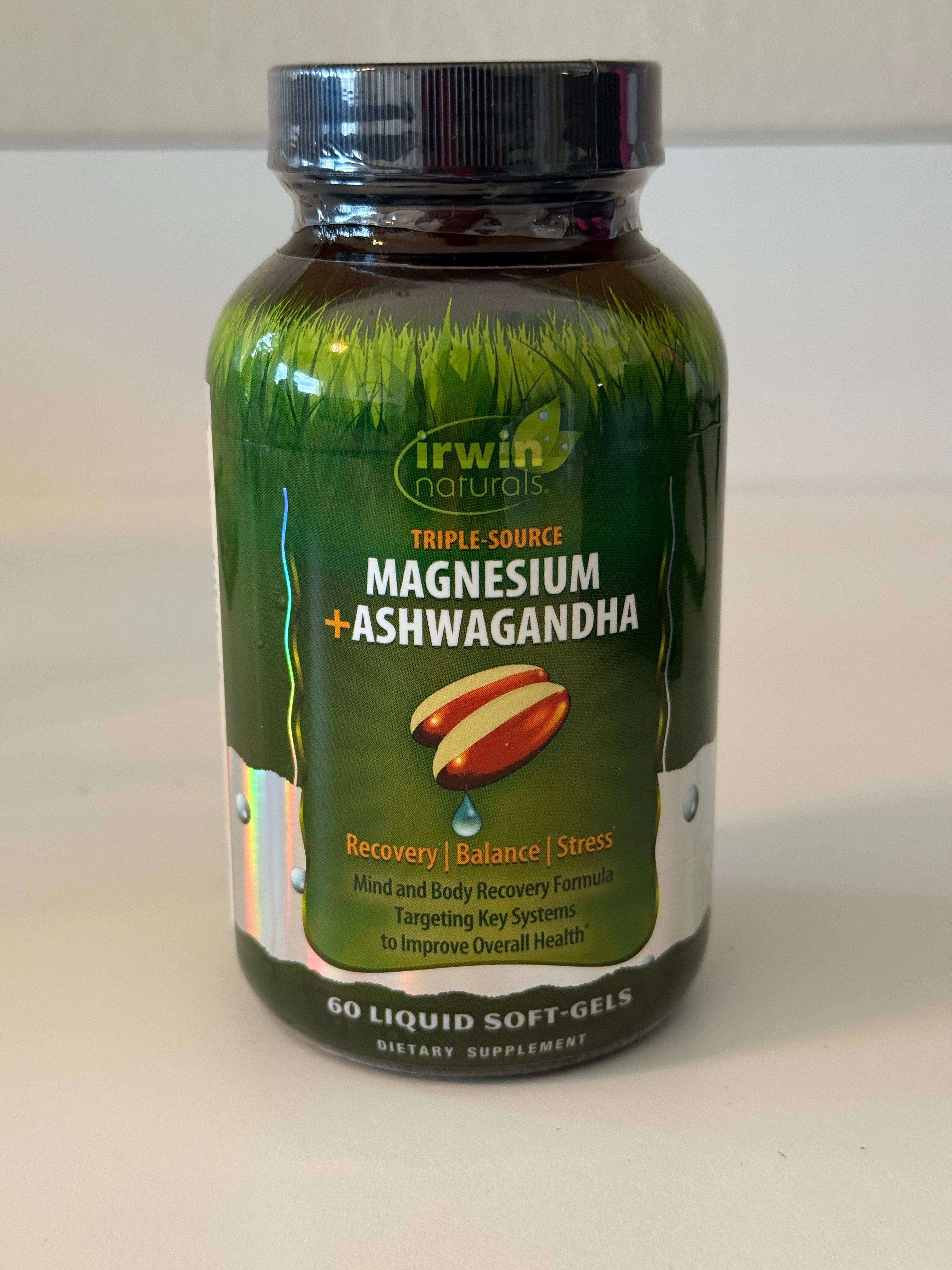
If sleep is your primary goal, a combined approach makes sense. Our Magnesium + Ashwagandha Liquid Softgels pair Sensoril ashwagandha extract with magnesium. The softgel format and 60-count bottle cover a full month of daily use.
What Are Signs That Ashwagandha Is Working?
The signs are quieter than most people expect. You probably will not feel a wave of calm. Instead, look for changes in how you recover from stress rather than in whether stress occurs:
- A longer fuse before irritation spikes
- Faster recovery after a stressful meeting or argument
- Falling asleep more easily or waking less overnight
- Steadier energy through the afternoon
- Fewer stress-driven cravings
Those are useful signals, but they are easy to misremember. The more reliable approach is to track a small number of things on a fixed schedule so you are comparing data rather than impressions.
Set a baseline before you start. For one week before your first dose, rate three things once a day on a simple 1-to-10 scale: perceived stress at the end of the day, sleep quality on waking, and how often you noticed irritability or a short fuse. Write them down, a notes app or a paper calendar is enough. This baseline is what you will compare against later, and without it every later judgment is guesswork.
Keep rating weekly, same day, same time. Once a week, on the same day and at roughly the same hour, rate the same three items for the past week. Do not rate daily once you start, daily ratings bounce around too much to be informative and encourage over-reading small fluctuations.
Compare at weeks 4, 8, and 12. Those checkpoints line up with the windows where clinical trials tend to report differences. At each one, compare the weekly rating to your baseline week. A change of one point on a 10-point scale is within normal week-to-week noise; a consistent two-point or greater shift across several weeks is the kind of signal worth paying attention to.
Log side effects alongside the ratings. Noting when side effects such as digestive upset, drowsiness, or headache appear can help you weigh any benefits against them.
Use a decision rule, not a feeling. A practical pattern most practitioners find useful: if by week 8 there is no consistent movement on any of the three tracked items and no side effects pushing you to stop, continue to week 12. If by week 12 there is still no movement, stop. If you see partial benefit but also bothersome side effects, that is a conversation to have with a healthcare professional rather than a reason to push through.
Watch out: self-rating scales are a tool for noticing patterns, not a diagnosis. If stress is interfering with work, sleep, or relationships, or if you have thoughts of self-harm, stop tracking and talk to a healthcare professional, a supplement is not the right first step for that situation.
Ashwagandha Side Effects and Interactions to Know
Ashwagandha is not risk-free. Some people report side effects such as digestive upset, drowsiness, or headache.
Watch out: ashwagandha may interact with thyroid medications, sedatives, and immunosuppressants, and it is not recommended during pregnancy or breastfeeding. If you take prescription medication or manage a thyroid condition, check with your healthcare provider before starting. The FDA guidance on dietary supplement safety is a useful starting point for understanding how supplements are regulated.
Choosing an Ashwagandha Product That Fits Your Routine
The best ashwagandha is the one you will take every day for two months. Format matters for consistency. If capsules feel like a chore, gummies may be easier; if you prefer liquid, a tincture is an option.
| Format | Product | Price | Best For |
|---|---|---|---|
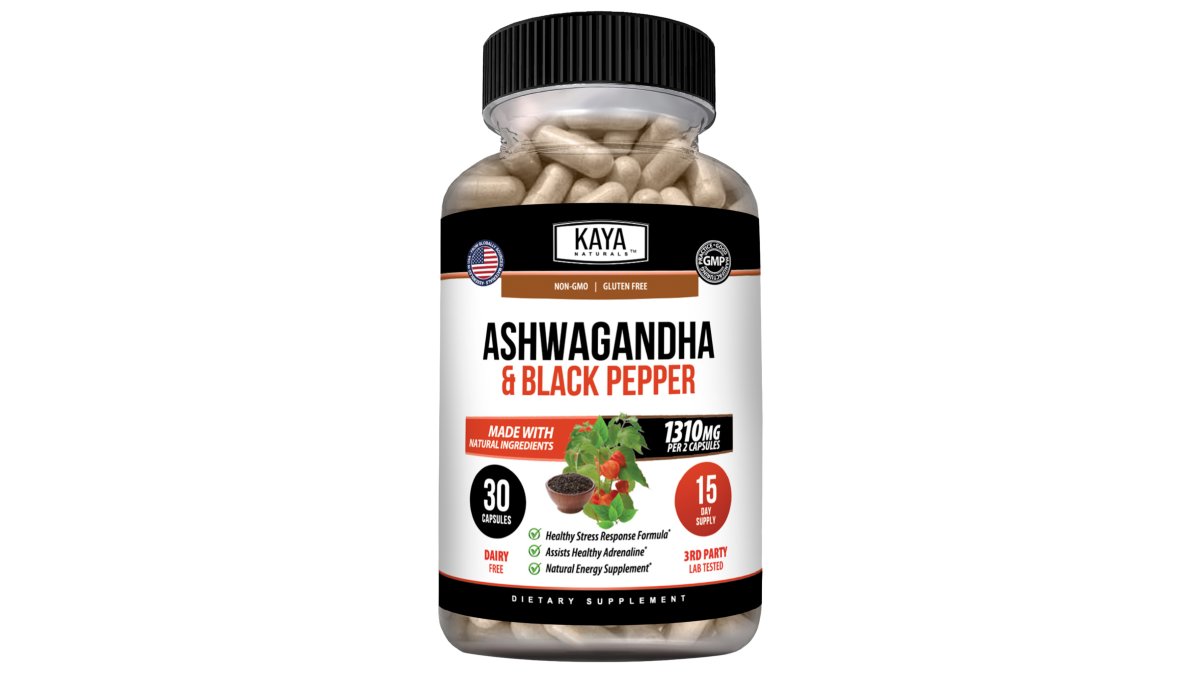
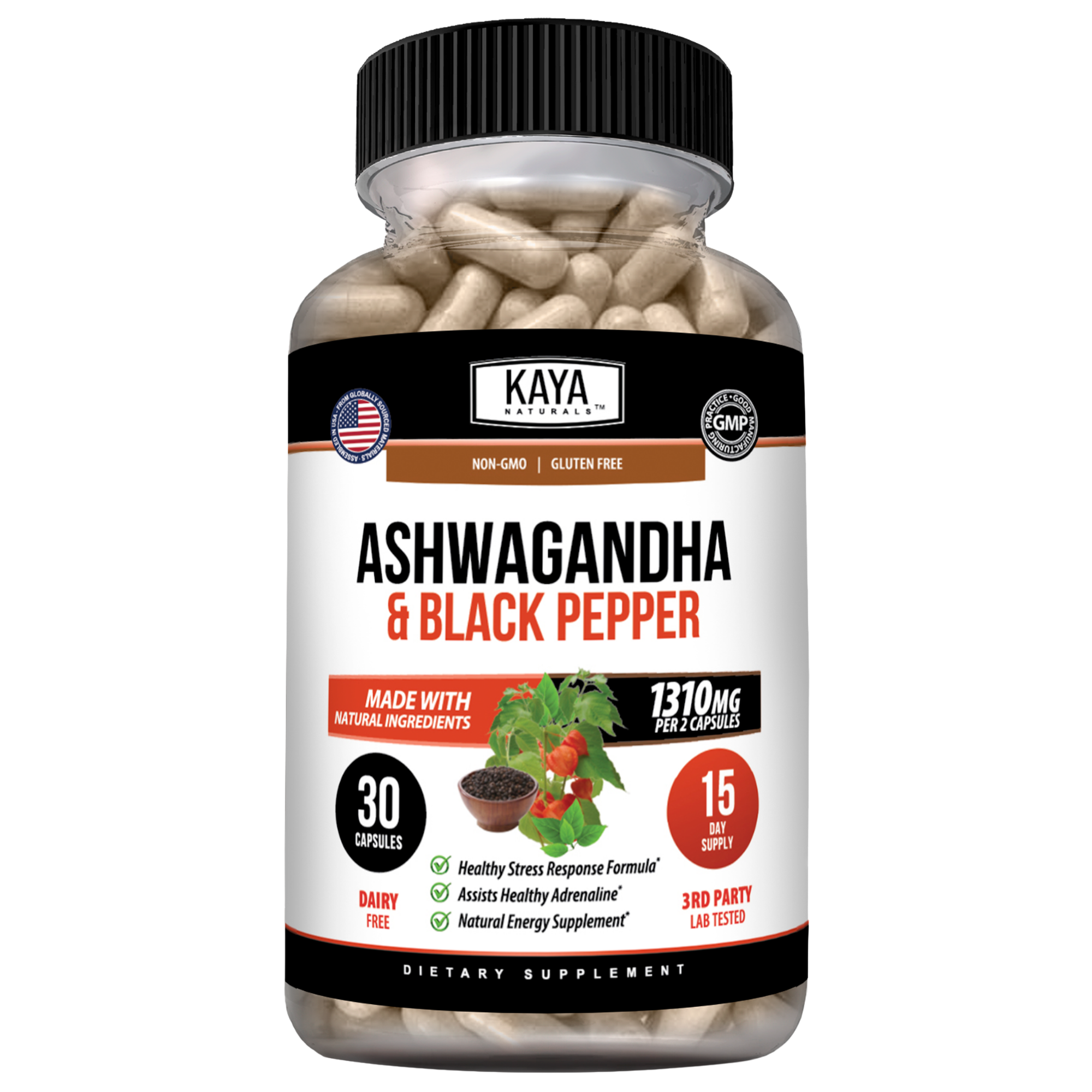
| Capsules | Ashwagandha, 60 capsules | $22.99 | Simple two-capsule daily routine |
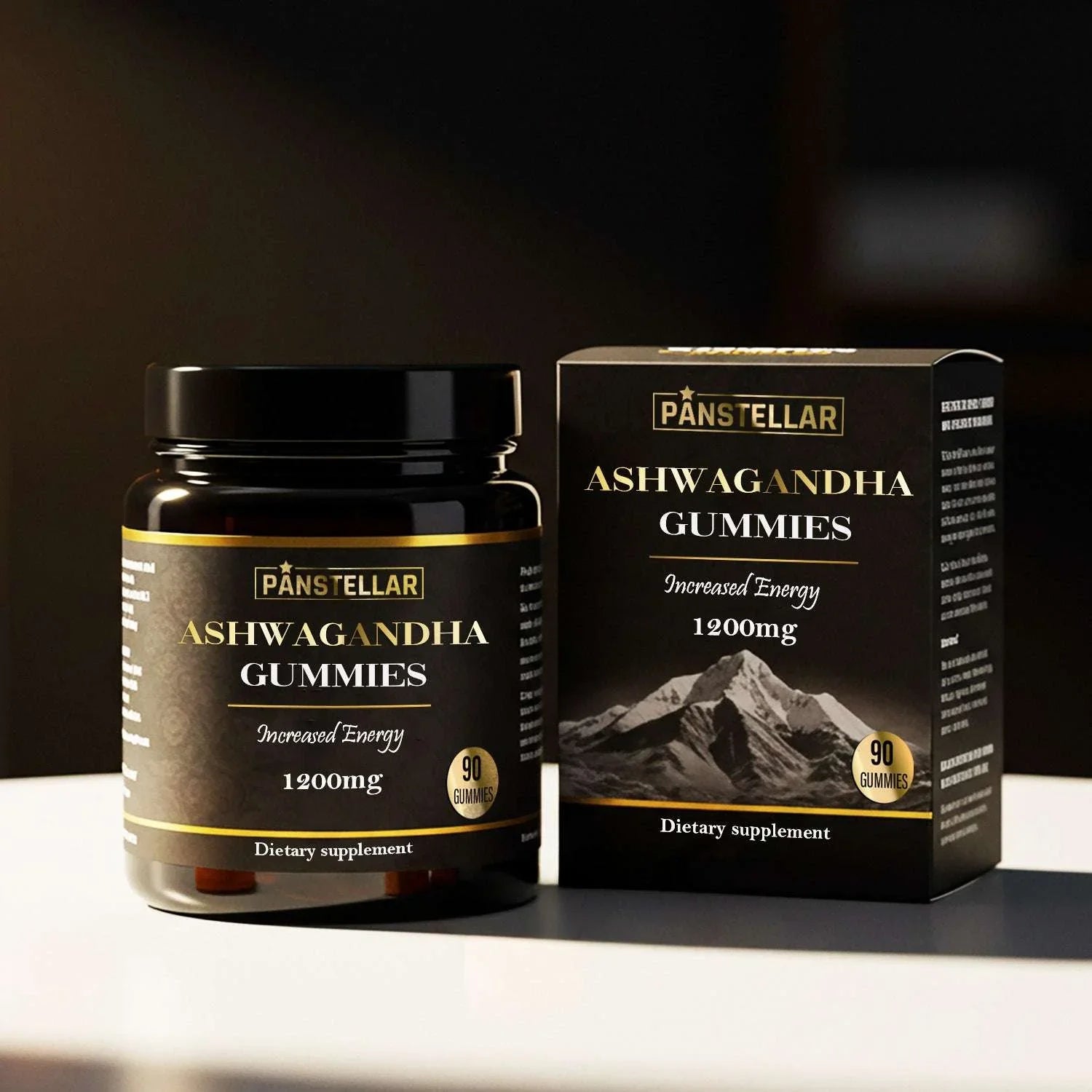
| Gummies | Ashwagandha Gummies 1200mg | $39.99 | People who dislike pills, 3-month supply |
| Liquid tincture | Ashwagandha pump bottle | $31.99 | Flexible dosing, gluten-free and vegan |
Price
Whichever you choose, check the label for the ingredients and amounts listed. For a deeper look at timing and pairing, read our guide on how to safely integrate adaptogens into your morning routine.
Start Your Stress Relief Routine with JordanWellnessCo
The honest answer to how long ashwagandha takes to work for stress is that it asks for patience. Consistent daily use over several weeks is the best way to judge it. Pair it with basics that support the same goal: consistent sleep, daylight, and movement.
At JordanWellnessCo, we offer ashwagandha in several formats, including capsules, gummies, liquid tinctures, and softgels, so you can choose what fits your routine. Our catalog brings supplements, self-care, and fitness gear into one place.
Stress does not resolve in a week, and neither does a supplement habit. Start with one product, take it daily, and give it eight weeks before you judge it. Browse the JordanWellnessCo ashwagandha range and build a routine you can actually keep. For a complementary practice, our guide to a simple stress relief routine you can do at home pairs well with any daily supplement.
Frequently Asked Questions
How quickly does ashwagandha reduce stress?
Results vary by dose, product, and individual response, and changes in stress response often take several weeks of consistent daily use to appear. Ashwagandha is not a fast-acting remedy; it works gradually by supporting the body's stress response over time.
What are signs that ashwagandha is working?
Some people report feeling calmer in stressful situations or noticing a steadier mood through the day. Because changes are subtle, tracking your stress levels and sleep quality in a simple daily log can help you spot improvements you might otherwise miss.
What is the dark side of ashwagandha?
Some people experience side effects such as digestive upset, drowsiness, or headache. People who are pregnant, nursing, taking prescription medication, or managing a medical condition should talk to a healthcare professional before use.
What should you never mix with ashwagandha?
Always check with a healthcare professional before adding ashwagandha to a routine that includes prescription drugs or other supplements.
Can ashwagandha work after one dose?
No. Ashwagandha is generally taken daily over several weeks, and one dose is not expected to produce noticeable stress relief. Take it daily as directed and give it several weeks before judging whether it works for you.


